
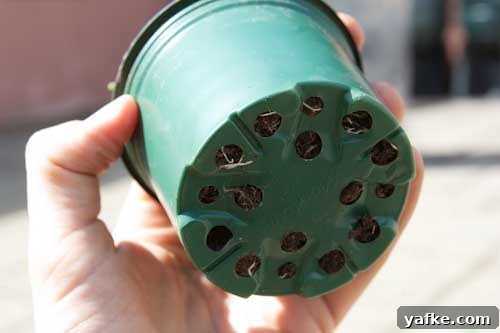
The recent run of warm weather has triggered a burst of growth in my chilli plants. Each spring, as temperatures climb and daylight increases, the seedlings I started over the previous weeks reach the stage where they need re-potting. Timely attention now helps ensure strong, healthy plants that will produce well through summer.
When to Re-Pot Pepper Plants
A common question is: when should you re-pot chilli plants? A reliable sign is when roots start to appear at the drainage holes or near the surface of the compost. Thin, white roots visible through the bottom or around the pot edge indicate the plant is becoming root-bound and needs a larger container. How quickly roots show depends mainly on temperature and light levels — warmer, brighter conditions speed root development — but watering frequency, compost quality and variety also play a part.
Which Pot Size is Best for Chillies?
Avoid moving plants into overly large pots too early. Placing a young plant in a pot that is much bigger than its root system encourages root growth at the expense of foliage and overall balanced development. To promote steady growth of both roots and shoots, re-pot gradually into slightly larger containers as the plant outgrows each pot. This staged approach helps maintain healthy vigour and easier moisture management.
A practical routine I use is to start seeds in small seed trays, prick out into 3″ pots when the first true leaves form, then step up to 5″ pots, and finally move to larger pots of around 10″ when the plants approach maturity. These sizes work well for many varieties, but adjust based on the cultivar and space available.
If the pot is too large relative to the root ball, the roots cannot access moisture at the edges and bottom of the container. That trapped, unused compost tends to stay soggy and can encourage fungal problems and root rot. Keeping pot size appropriate and increasing it gradually reduces this risk and makes watering and feeding more predictable.
Pricking Out Seedlings
I recently had a large batch of Cayenne seedlings under artificial lights in my lightbox, which gave them a strong boost. They were ready to be pricked out into individual pots. Removing delicate seedlings without damage can be tricky, but with a little preparation you can minimize shock and transplant loss.
Start by watering the tray about 20–30 minutes before you lift the seedlings. Moist compost holds together better, allowing you to transfer the root ball with its soil intact. While the compost settles, prepare your potting mix and pots. A well-draining potting medium formulated for chillies works best; having it ready saves time and reduces stress on the plants.
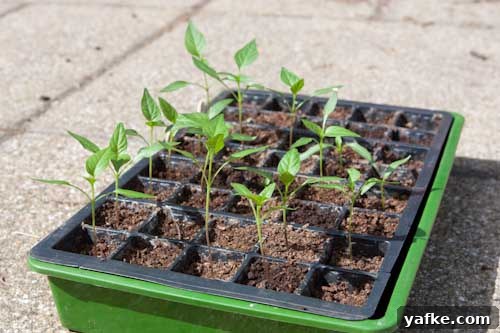
Choose pot depth based on the seedling’s height. If seedlings are leggy, planting a little deeper encourages the buried stem to produce additional roots, strengthening the plant. For shallow, compact seedlings a standard pot depth is fine; for tall seedlings, select a deeper container or plant slightly deeper to support new root growth.
To lift seedlings, gently loosen the compost around each cell with a small stick or spoon. Support the seedling by holding a true leaf (not the stem) and carefully coax the root ball out, keeping as much compost around the roots as possible. Plant at the chosen depth, fill around the root ball with prepared compost, and lightly firm to remove large air pockets.
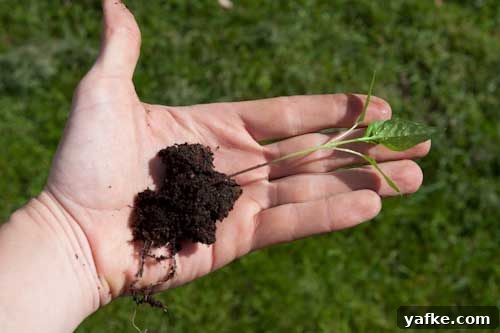
After repotting, give the plants a gentle water using a watering can with a fine rose to settle the compost around the roots. Take care not to overwater at this stage — the aim is to bed the compost in, not saturate it. As plants move into larger pots, the increased compost volume will retain moisture longer, so watering intervals will lengthen.
Once seedlings are established in their final pots, begin a regular liquid-feeding program appropriate for chilli plants to support flowering and fruit set. Monitor plants for signs of stress, pests or nutrient deficiency and adjust watering and feeding accordingly. With patient, staged re-potting and consistent care, your chillies will build a strong root system and reward you with a healthy, productive season.