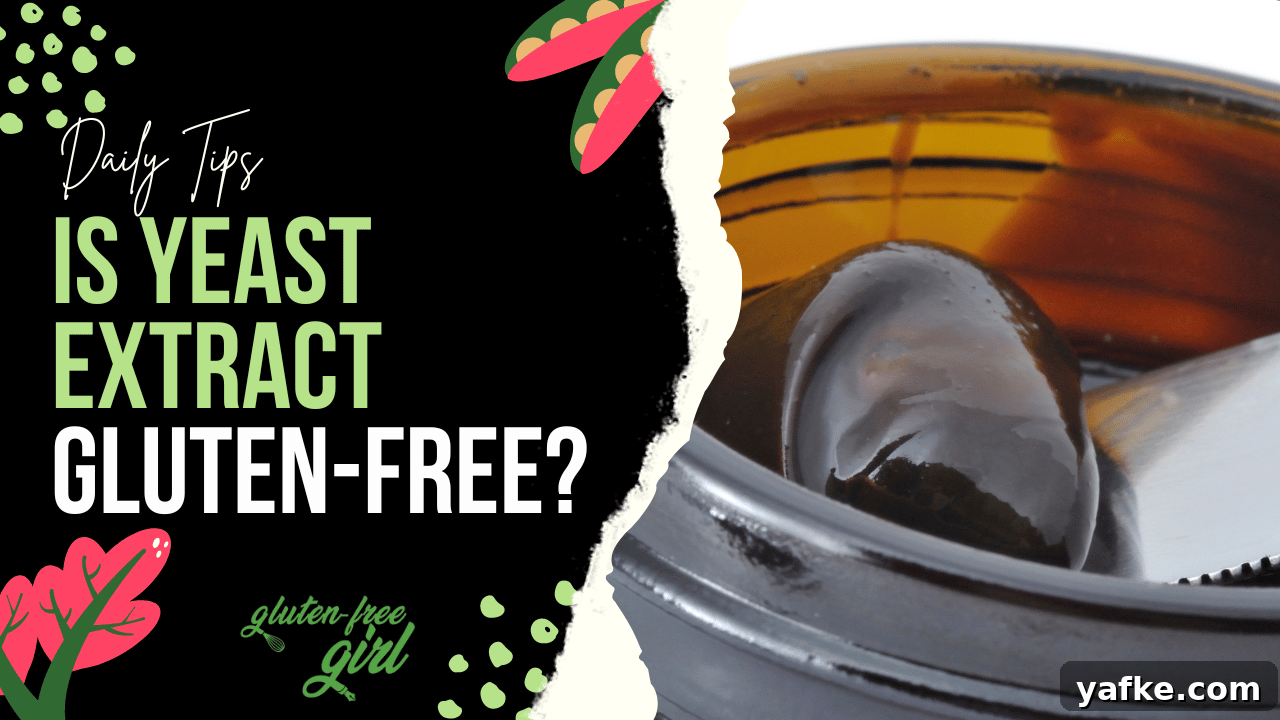
Is yeast extract gluten-free? In most cases, no. Yeast extract is often produced from spent brewer’s yeast, a by-product of beer production that may contain residues of gluten-containing grains such as barley or wheat. Ingredient labels rarely specify the source of “yeast extract,” so it’s considered a potential hidden source of gluten. If you need to avoid gluten, choose products explicitly labeled “gluten-free” or verified by the manufacturer.
Yeast itself is a fungus essential for fermentation and baking. Fresh yeast and pure baker’s yeast are naturally gluten-free, but some commercial yeast products and extracts can contain wheat starch, malt, or other gluten-containing additives. The best way to know is to read labels carefully and, when in doubt, contact the manufacturer.
For people with celiac disease or non-celiac gluten sensitivity, avoiding gluten is crucial. Celiac disease is an autoimmune condition where exposure to gluten damages the small intestine. Maintaining a strict gluten-free diet protects health and reduces inflammation for those affected.
If you follow a restrictive eating plan such as the Paleo diet, you’ll want to choose yeast and yeast-derived ingredients that are certified gluten-free to remain consistent with the diet’s avoidance of processed grains.
Can someone with celiac disease eat foods containing yeast?
Yes—provided the yeast and all other ingredients are gluten-free. Yeast used in gluten-free baking (fresh, active dry, or instant yeast that is free from contamination) is safe for people with celiac disease. Health authorities generally define a “gluten-free” product as containing less than 20 parts per million (ppm) of gluten; many clinicians recommend keeping daily gluten exposure as low as possible, often below 10–50 mg per day for sensitive individuals.
Always choose yeast and baked goods that carry a clear gluten-free label or certification to reduce the risk of accidental exposure.
Gluten-free recipes you can make with yeast
Here are common yeast-based recipes easily adapted to gluten-free ingredients:
- Gluten-Free Bread: Use a blend of gluten-free flours (rice, almond, tapioca) with xanthan or guar gum, water, salt, and yeast. The yeast provides the rise and light texture.
- Gluten-Free Pizza Dough: Combine gluten-free flour blend, yeast, warm water, olive oil, salt, and a touch of sugar. Let the dough rise before shaping and baking.
- Gluten-Free Cinnamon Rolls: Make a soft dough with gluten-free flour, yeast, milk (or dairy alternative), butter, and sugar. Roll with cinnamon-sugar, slice, and bake.
- Gluten-Free Bagels: Form dough from gluten-free flour, yeast, water, sugar, and salt. After rising, boil briefly and then bake for a chewy texture.
- Gluten-Free Beer Bread: Use a gluten-free beer and gluten-free flour with baking powder and yeast for added flavor and rise.
How is yeast gluten-free?
Pure yeast (e.g., Saccharomyces cerevisiae used in baking) does not contain gluten on its own. The risk comes from the growing or processing environment and from added ingredients. Fresh baker’s yeast and many active dry and instant yeasts are naturally gluten-free, but cross-contamination or added wheat-based nutrients can introduce gluten. Check product labels and manufacturing statements to be safe.
Is yeast the same as almond flour (both gluten-free)?
No. Yeast and almond flour are both gluten-free ingredients, but they serve different purposes. Almond flour is a ground nut used as a gluten-free flour substitute that adds moisture, fat, and structure. Yeast is a leavening organism that ferments sugars to produce carbon dioxide and give dough its rise and airy texture. Both are useful in gluten-free baking but are not interchangeable.
Are natural, active dry, or instant yeasts gluten-free?
Natural (fresh) yeast, active dry yeast, and instant yeast are typically gluten-free because they are derived from pure yeast cultures. However, some products may include wheat-derived additives or be processed in facilities that handle gluten. Cross-contamination is the main concern—so look for a gluten-free label or manufacturer assurance if you have celiac disease or severe sensitivity.
Is brewer’s yeast gluten-free?
Generally no, unless explicitly labeled gluten-free. Brewer’s yeast is commonly a by-product of beer production and can contain residues from malted barley or other gluten-containing grains. People with celiac disease or gluten sensitivity should avoid brewer’s yeast unless the product is certified gluten-free.
How to keep yeast dishes gluten-free
- Use gluten-free flours: Choose certified gluten-free flour blends, rice, almond, or coconut flour in place of wheat.
- Buy certified gluten-free yeast: Some manufacturers offer yeast tested and labeled gluten-free.
- Read labels: Verify all ingredients and manufacturing statements to avoid hidden gluten.
- Avoid brewer’s yeast: Prefer nutritional or baker’s yeast that is labeled gluten-free.
- Prevent cross-contamination: Clean tools and surfaces thoroughly; use separate utensils and appliances if possible.
- Use binders: Add xanthan or guar gum to replicate gluten’s structure in doughs.
- Communicate dietary needs: When dining out, inform staff about gluten restrictions to reduce risk.
Does bread made with yeast contain gluten?
That depends on the flour. Bread made with wheat, barley, or rye contains gluten regardless of yeast. Bread made with gluten-free flours and yeast is safe for those avoiding gluten. Always confirm that the flour and yeast are gluten-free and that cross-contamination has been prevented.
Are fermented beverages like kombucha gluten-free?
Most kombucha is gluten-free because its base ingredients are tea, sugar, and a symbiotic culture of bacteria and yeast (SCOBY). However, flavored or commercial varieties can include gluten-containing additives or be processed in facilities that handle gluten. Check labels and choose products labeled gluten-free if you are sensitive.
How can yeast contain gluten?
- It may be produced from spent grains that contain barley or wheat (as with brewer’s yeast).
- Processing or packaging in shared facilities can lead to cross-contact.
- Some yeast products include added nutrients, malt, or starches derived from gluten-containing grains.
Yeast-containing foods to avoid if you must be gluten-free
- Traditional breads and rolls made with wheat flour.
- Standard pizza dough using wheat flour.
- Many pastries and baked goods that rely on wheat-based flour.
- Regular beer brewed from barley (choose gluten-free beers instead).
- Condiments or sauces containing malt, wheat-based syrups, or soy sauce with wheat.
- Malt and malt-derived ingredients (from barley).
- Cereals and granolas that contain wheat, barley, or rye.
- Certain vinegars such as malt vinegar.
Preventing gluten cross-contamination when cooking with yeast
- Separate ingredients: Keep gluten-free and gluten-containing flours and grains apart.
- Use designated utensils: Reserve tools and equipment for gluten-free baking.
- Thorough cleaning: Clean counters, boards, bowls, and mixers between uses.
- Check labels: Use verified gluten-free yeast and ingredients.
- Avoid airborne flour contamination: Minimize dust when handling wheat flour around gluten-free foods.
- Label containers: Clearly mark gluten-free storage to prevent mix-ups.
- Wash hands: Wash thoroughly between handling gluten and gluten-free foods.
- Train staff: If cooking for others, ensure everyone understands cross-contamination risks.
- Consider separate appliances: If possible, use dedicated appliances for gluten-free baking.
Are yeast-based desserts, cakes, cereals, or candies gluten-free?
Not automatically. Traditional recipes for yeast desserts, cakes, many cereals, and some candies use wheat, barley, or rye or include malt-derived ingredients. Whether a product is gluten-free depends on its full ingredient list and manufacturing controls. Look for products labeled or certified gluten-free, and read ingredient lists carefully to ensure safety for those with celiac disease or gluten sensitivity.
Maintaining a varied diet with naturally gluten-free grains (rice, quinoa), fruits, vegetables, lean proteins, and certified gluten-free products helps ensure nutritional balance while avoiding gluten. If you have celiac disease or severe sensitivity, consult a healthcare professional or registered dietitian for personalized guidance.