
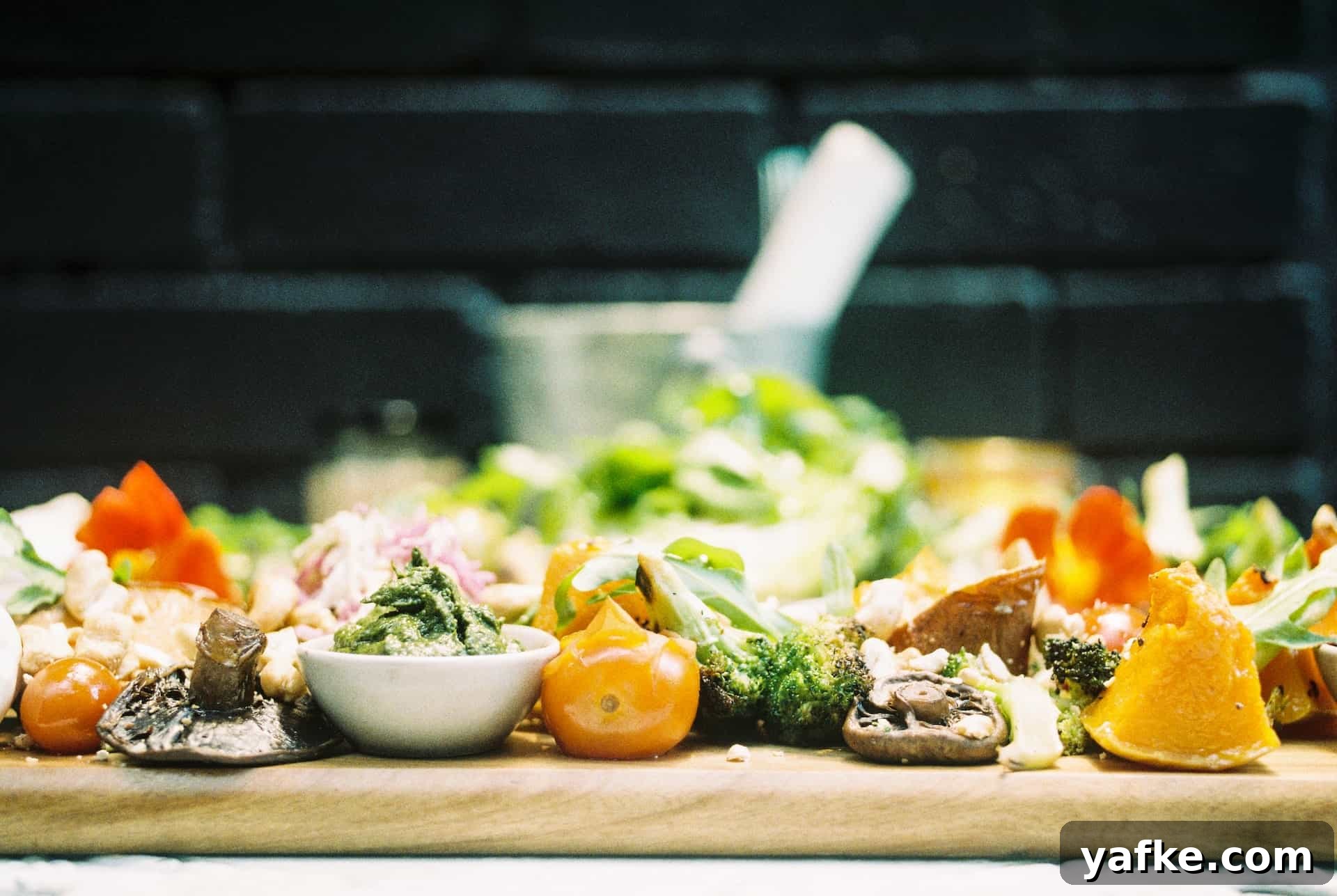
Did you know the average American household throws away close to $1,500 worth of food every year, much of it from the produce drawer? With grocery prices rising, food waste is not only an environmental concern but a real hit to household budgets.
The good news is that small changes in the way we shop, store, and use food can cut waste significantly. Below are practical, easy-to-follow strategies to reduce food waste, save money, and get the most from every grocery trip.
Food Waste in America
According to the USDA, Americans waste roughly 30–40% of the edible food supply each year, which works out to about 219 pounds per person and more than $220 billion annually. Last year, nearly 25% of all food in the U.S. ended up in landfills, incinerators, or down the drain. These statistics show the scale of the problem and why household habits matter.
6 Ways to Reduce Food Waste
Buying groceries with good intentions is easy; using everything you buy takes planning. If your spinach wilts and leftovers get forgotten, you’re not alone. Adopt a few simple habits and you’ll see less waste, lower grocery bills, and fresher food on your plate.
1. Composting
Composting transforms food scraps and organic waste into nutrient-rich material you can use in your garden or potted plants. Instead of throwing banana peels, vegetable trimmings, coffee grounds, and eggshells in the trash, collect them and let them decompose. The result — compost — improves soil health and keeps organics out of landfills.
What you can compost:
- Grass clippings and leaves
- Fruit and vegetable scraps
- Coffee grounds and filters
- Eggshells
- Bread and grains
- Nuts and seeds
You don’t need a lot of space to start. Keep a small bin in the freezer or on a counter, then move scraps to an outdoor pile or a backyard bin when convenient. The aim is to return nutrients to the earth instead of sending them to a landfill.
2. Eat Leftovers Intentionally
Plan for leftovers instead of hoping they’ll be eaten. Cook once and eat twice by designating a weekly “use it up” night where you combine leftovers into a new meal. Leftover roasted chicken becomes chicken salad for lunch; wilted greens add body and nutrition to soups, pastas, or smoothies.
3. Keep Food Properly Stored and Organized
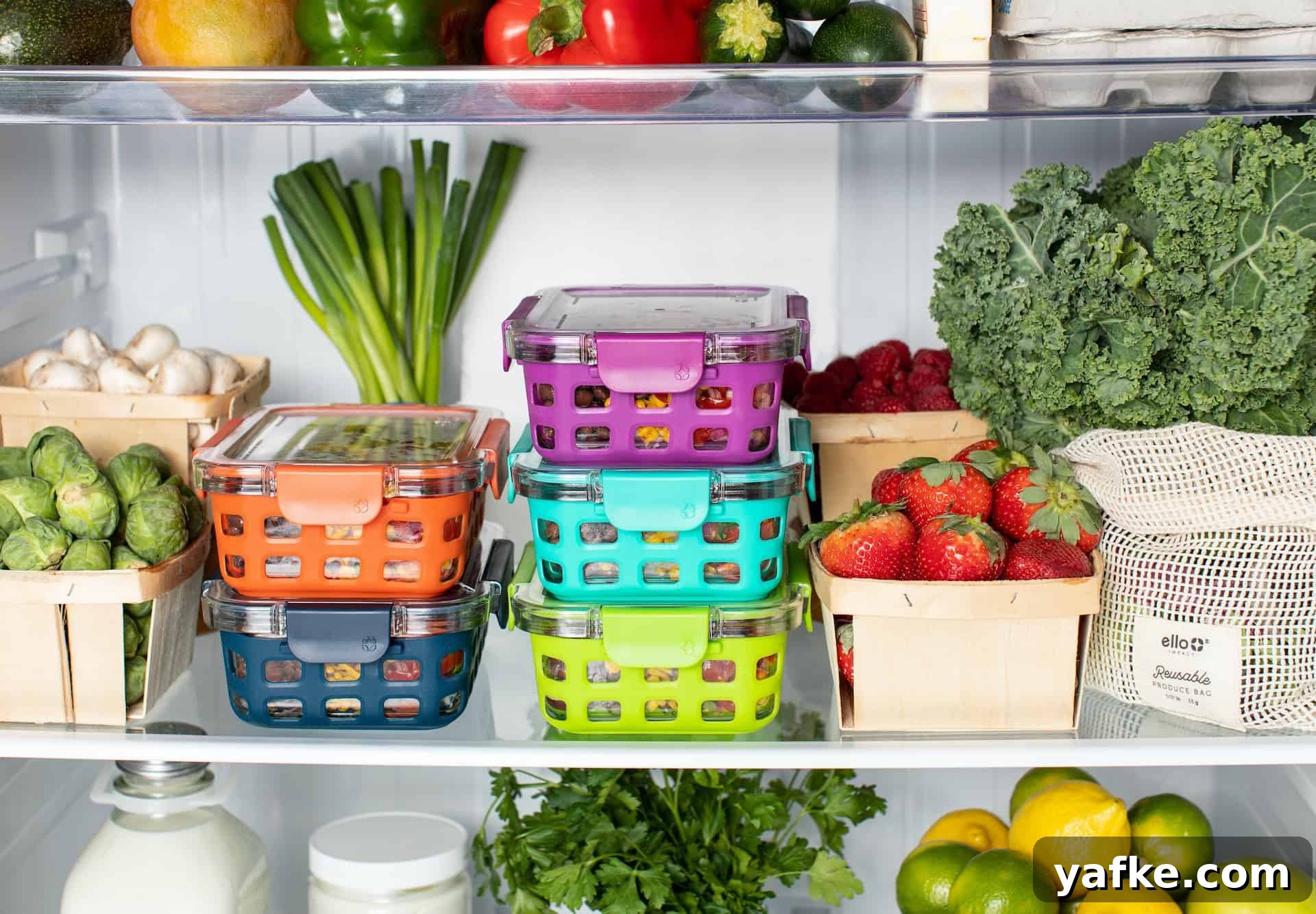
Use the “first in, first out” approach: move older items to the front of the fridge and pantry when you unpack groceries so they get used before newer purchases. Proper storage can extend the life of fruits and vegetables by several days or more. Make sure your refrigerator is at the right temperature and learn which produce fares better in the crisper versus the main shelves.
Remember that some fruits, like bananas, emit ethylene gas as they ripen, which can speed up spoilage in nearby produce. If you buy more than you can eat right away, consider freezing portions for smoothies, soups, or cooked meals later.
4. Make the Most of Scraps
Scraps that often end up in the trash can become valuable food or useful household items. Simple practices turn waste into meals, pantry staples, or even DIY beauty products.
- Make homemade broth from vegetable peels and meat bones.
- Revive limp vegetables with a soak and turn them into soup or stir-fry.
- Transform stale bread into croutons, breadcrumbs, bread pudding, or French toast.
- Use overripe avocados in face masks or in blended recipes like smoothies and dressings.
- Save seeds, pits, and root ends to try growing new plants at home.
Small repurposing ideas add up and reduce the food that ends up in the bin.
5. Meal Planning
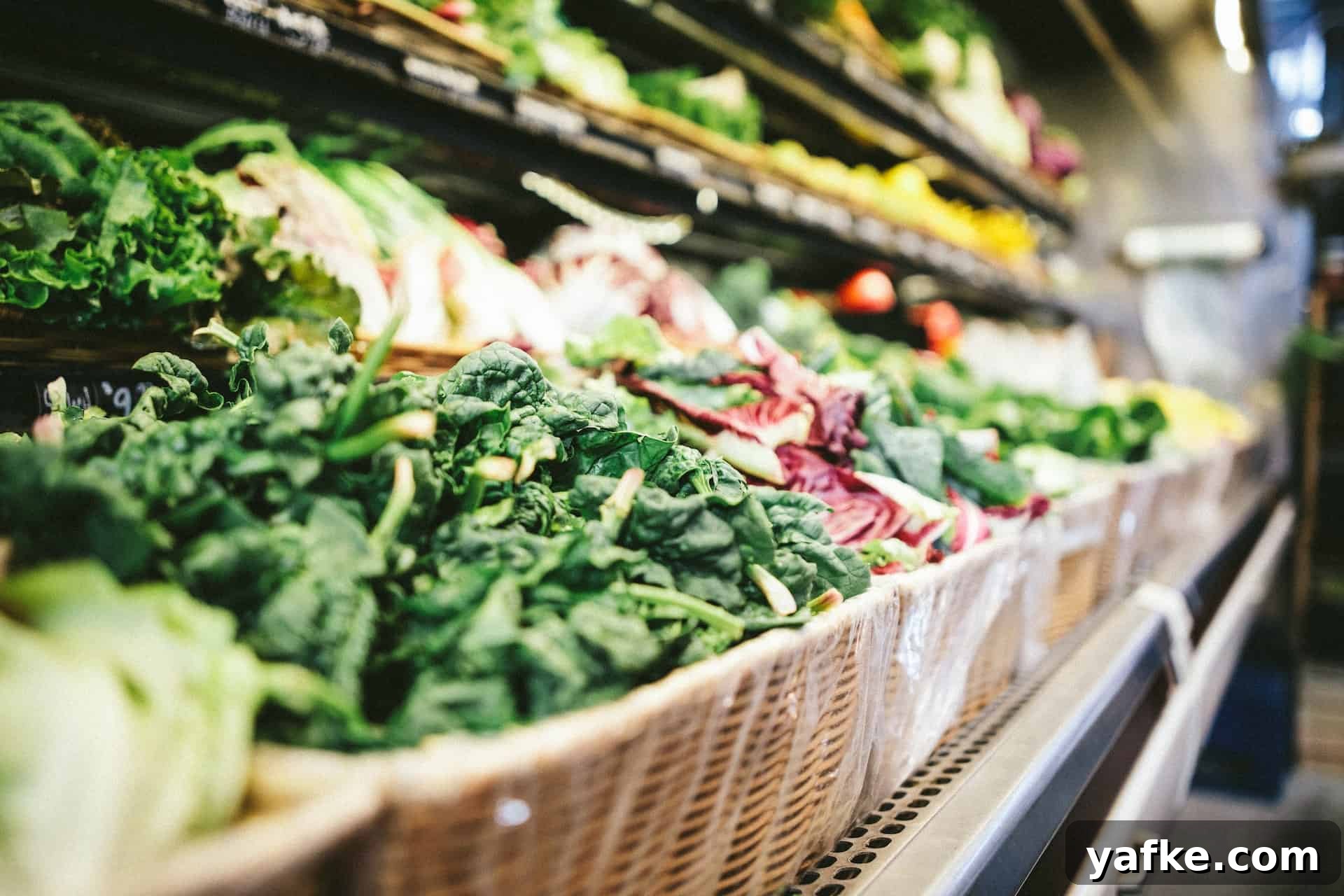
Deciding what you’ll cook before you shop is one of the most effective ways to reduce food waste. A weekly meal plan helps you buy only what you need, use ingredients across multiple meals, and avoid impulse purchases that often spoil first. Make a shopping list from your plan and stick to it.
Try to choose recipes that share ingredients. For example, roast a tray of mixed vegetables for a frittata one night and use the leftovers in grain bowls or soups later in the week.
6. Understand Expiration Dates
Expiration labels are often about quality rather than safety. “Best by” and “best before” dates indicate peak flavor and texture, not whether a product is unsafe to eat. Learning the difference can help reduce unnecessary tossing of food that is still perfectly fine to consume.
When in doubt, use your senses: look, smell, and, if appropriate, taste a small amount. Many foods are safe to eat after the printed date, though they may not be at their peak quality.
Food Waste: The Bottom Line
Good food deserves to be eaten, not discarded. Fresh fruits and vegetables are among the most nutritious foods available, and they deliver the most value when they make it to the table. By composting, planning meals, storing food correctly, and using leftovers creatively, families can waste less, save money, and enjoy healthier meals.
For more practical tips and ideas about produce, meal planning, and reducing kitchen waste, consider subscribing to newsletters or following trusted food and sustainability resources for ongoing ideas and inspiration.