
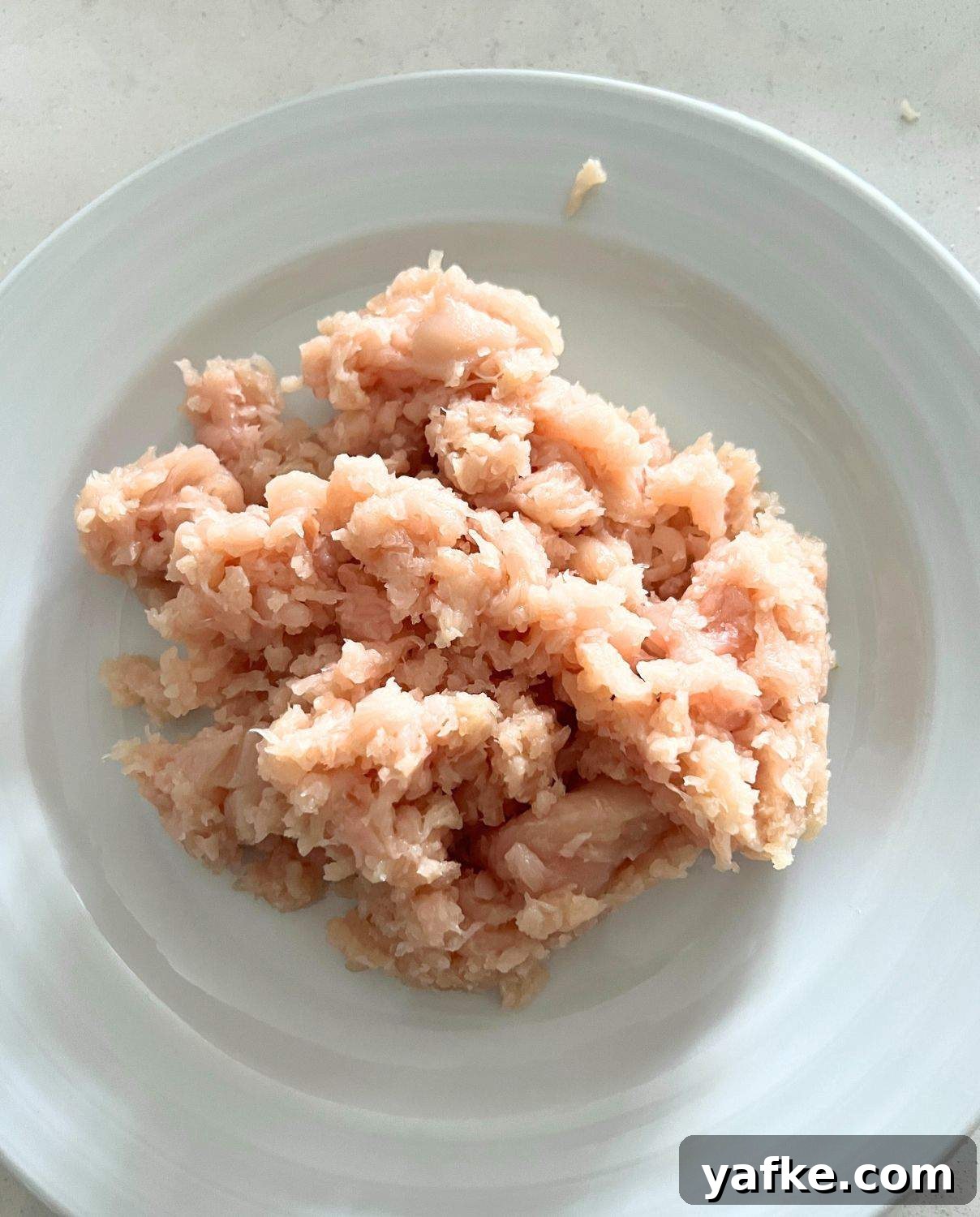
Grinding chicken in a food processor is an easy, economical way to make fresh ground chicken at home. With a few simple steps and the right technique you’ll get evenly ground meat without overworking your machine. Freshly ground chicken is versatile—use it for burgers, meatballs, tacos, sauces, and more.
If a recipe calls for ground chicken and you only have whole chicken breasts or thighs, you don’t need to buy pre-ground meat. Grinding at home in a food processor saves a trip to the store and gives you control over the texture and fat content.
Why You Will Like This Recipe
Using a food processor to grind chicken is quicker and easier to clean than many meat grinder attachments. It’s a practical approach when you want small batches of ground chicken for weeknight meals or recipe testing. You can grind breasts for a leaner result or thighs for a juicier, more flavorful mix.
This guide focuses on practical tips for texture, processing in small batches, and simple storage methods so you can grind chicken confidently at home.
Ingredients Needed for this Recipe
- Chicken
Boneless, skinless chicken breasts or thighs. Breasts are lean; thighs add moisture and flavor. You can use all breasts, all thighs, or a mix depending on your recipe and preference. - Optional seasonings
Salt, pepper, garlic powder, or other seasonings can be added after grinding if you plan to cook the chicken immediately. For freezer storage or flexible use, keep the ground chicken unseasoned.
How to Grind Chicken in a Food Processor
Step 1: Choose the right cut of chicken. Thighs give fattier, more flavorful ground chicken and work best for juicy patties or meatballs. Breasts produce a leaner grind that is suitable for lighter dishes. Combine both if you want balance.
This is a simple example of chicken ready to be prepared for grinding.
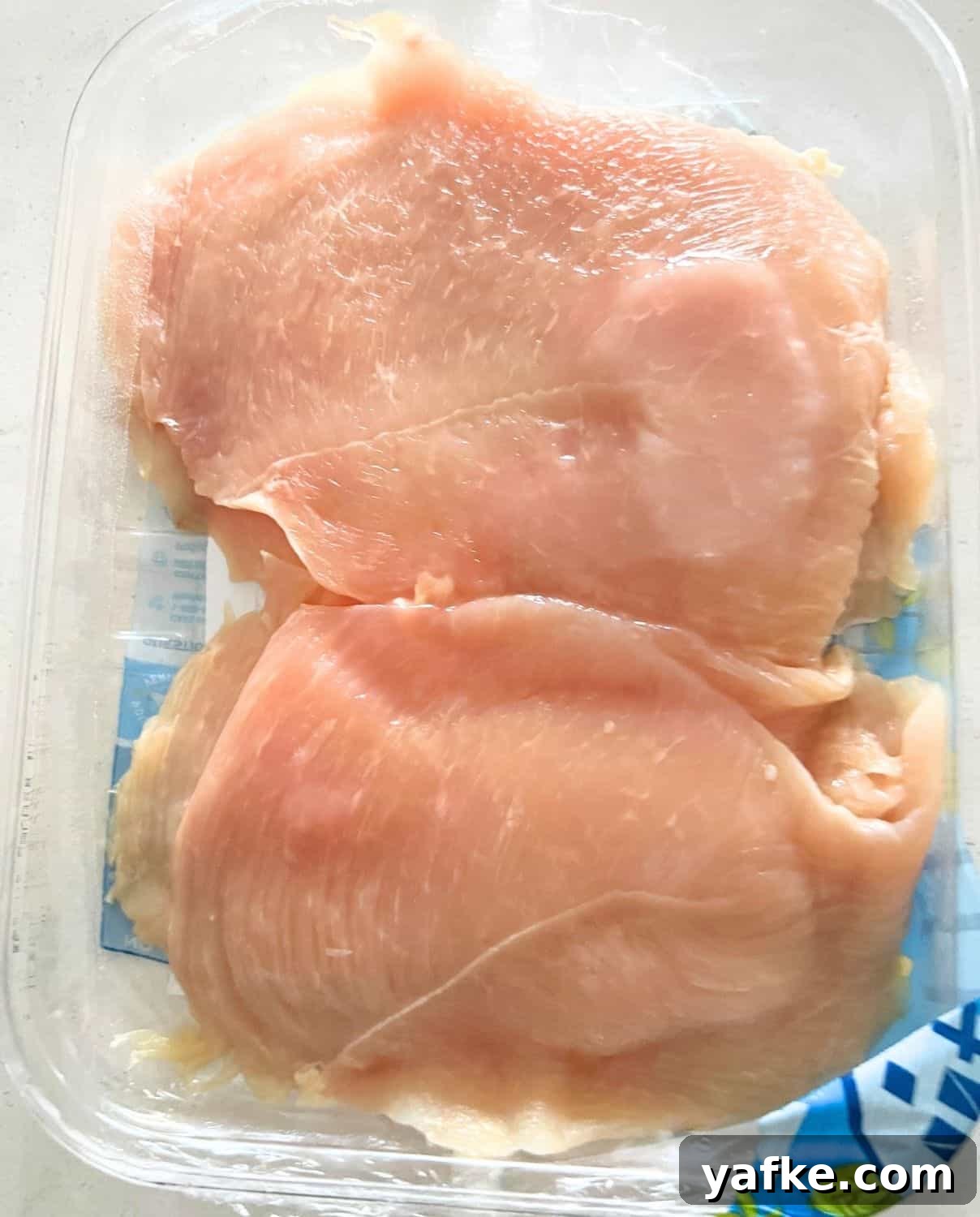
Step 2: Cut the chicken into small pieces. Trim any excess fat or gristle and cut the meat into roughly 1-inch cubes. Smaller pieces process more evenly and reduce stress on your food processor.
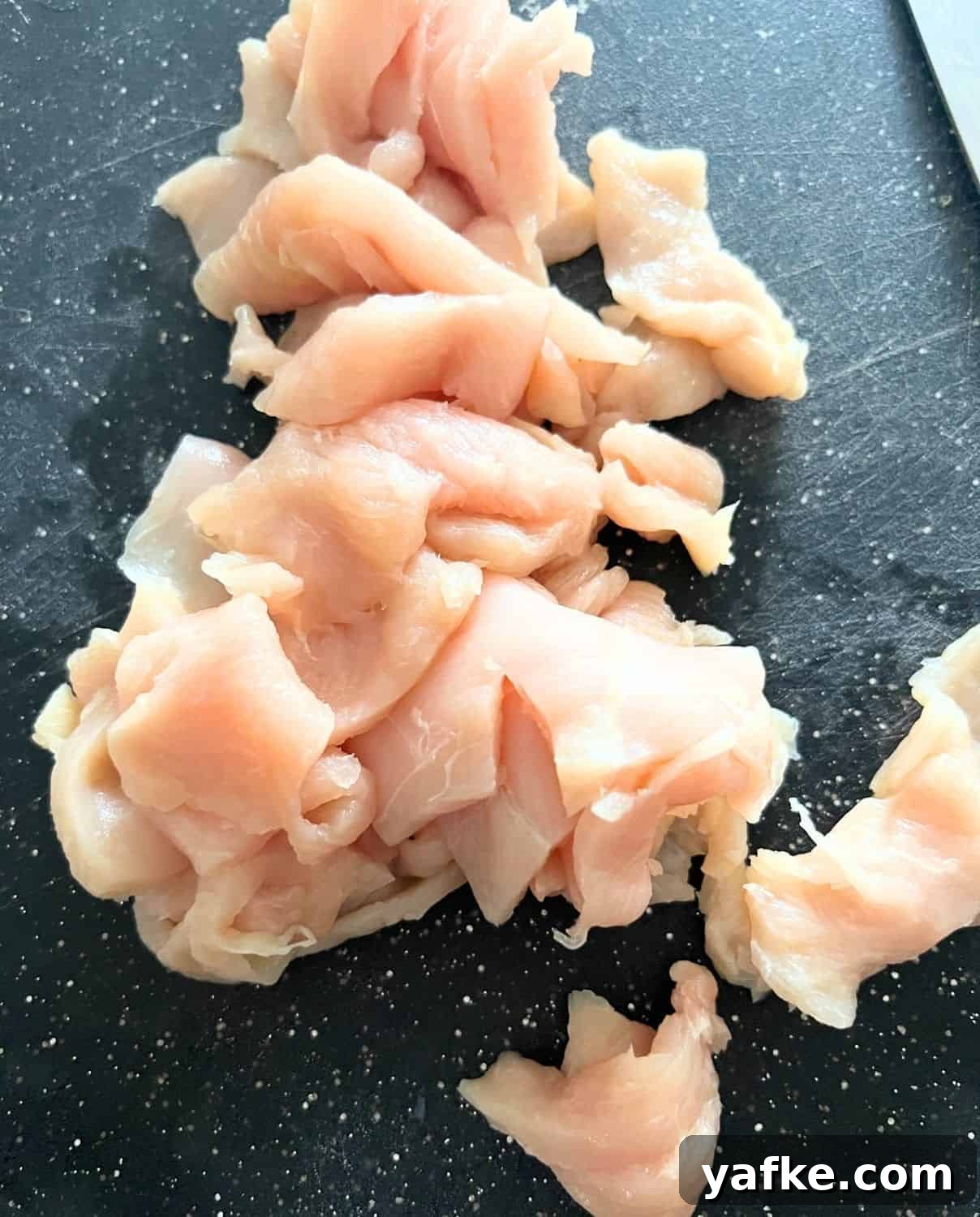
Cutting into uniform pieces helps the blade contact the meat consistently, producing a uniform grind. Remove tendons and connective tissue that could make the texture chewy.
Step 3: Chill the chicken (recommended). Briefly chilling the cut pieces in the refrigerator or freezer for 15–20 minutes firms the meat and keeps it from turning pasty during processing. This step improves texture but is optional if short on time.
Step 4: Grind the chicken in batches. Avoid overfilling the bowl. Add about one-third to one-half of the meat at a time to ensure even grinding and prevent the motor from bogging down.
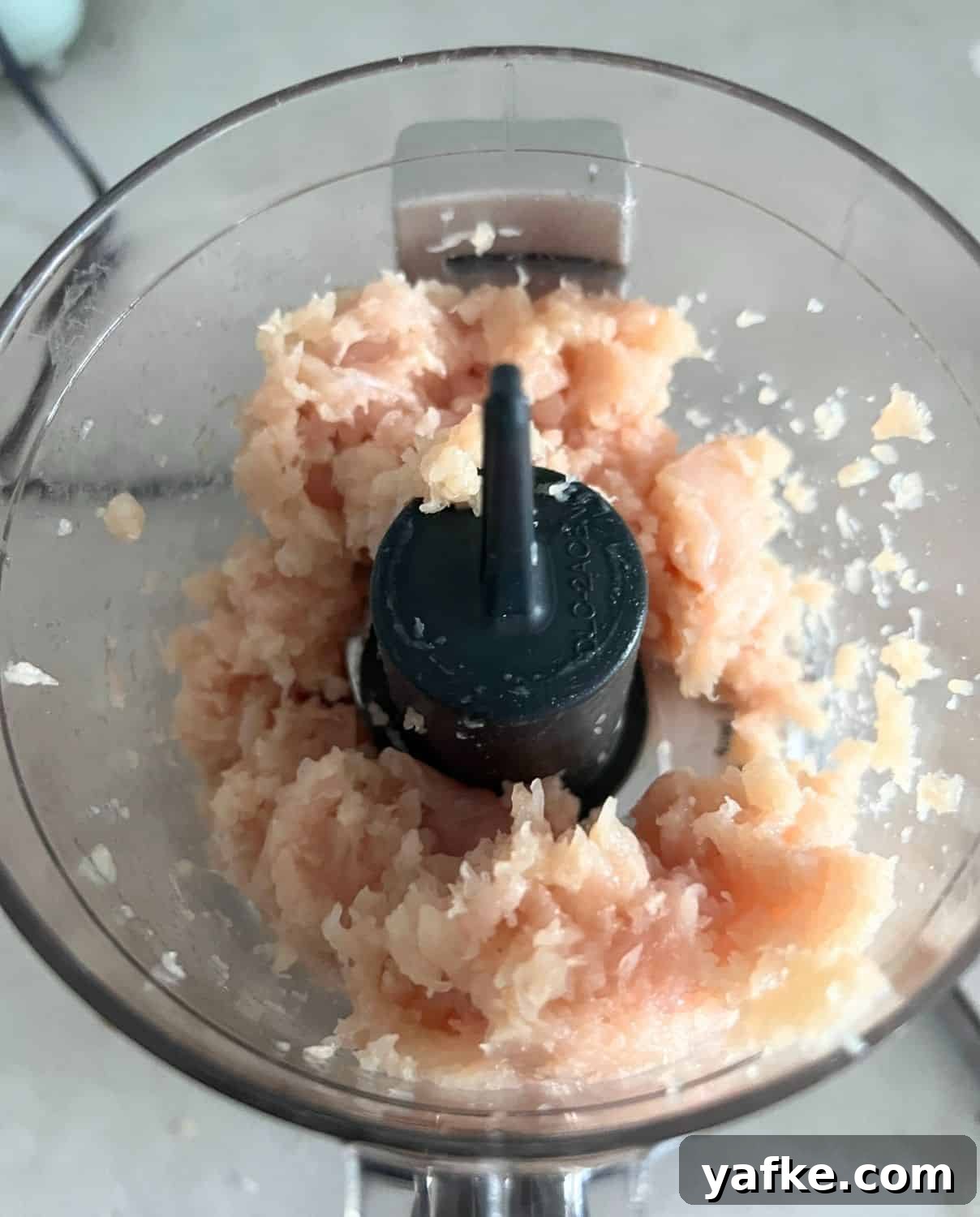
Step 5: Pulse, don’t run continuously. Use short pulses of 10–15 seconds, then check the texture. Repeat until you have evenly sized pieces—aim for a coarse to medium grind depending on the intended use. Over-processing creates a paste-like texture, so stop as soon as you reach the desired consistency.
Pro Tips for Ground Chicken
- Slightly freeze the chicken for firmer texture and cleaner cuts.
- Do not overfill the food processor; process in small batches for even results.
- Pulse rather than blending continuously to prevent a mushy outcome.
- Use thighs for juicier mixes and breasts for leaner options.
- Clean the food processor immediately after use to make cleanup easier and prevent odor buildup.
- If the mixture looks too wet or pasty, it has probably been overprocessed; refrigerate and use for recipes where fine texture is acceptable.
Storage
Store freshly ground chicken in an airtight container in the refrigerator and use within 1–2 days. For longer storage, portion the ground chicken, wrap tightly, and freeze in freezer-safe bags or containers for up to 3 months. Thaw in the refrigerator overnight before cooking.
Equipment Needed
Essential tools include a sturdy food processor with a sharp blade and a good chef’s knife for cutting the chicken into small pieces. A clean cutting board and airtight storage containers complete the basic setup.
Recipe FAQs
Yes. A meat grinder produces excellent results if you have one. Alternatively, you can finely chop chicken with a sharp knife, though this is more time-consuming and yields a different texture.
Both breasts and thighs work. Thighs deliver more flavor and moisture; breasts are leaner. Mixing the two gives a balanced flavor and texture.
The ground chicken should look like small, even pieces similar to store-bought ground meat—not a smooth paste. Stop processing as soon as the pieces are evenly sized for the intended recipe.
Other Recipes To Try
-
 Cheesecake Factory Cajun Salmon
 -
Air Fryer Sweet and Sour Chicken
-
Baked Turkey Enchiladas
-
Chocolate Chip Pumpkin Pancakes




If you try grinding chicken at home, leave feedback or a rating and share any tips you discover—your experience helps others feel confident making ground chicken for homemade burgers, meatballs, and more.
Description
This guide explains how to grind chicken using a food processor, covering cut selection, cutting, chilling, batch processing, and pulsing technique to achieve consistent texture. It’s ideal for cooks who prefer to control their meat’s freshness and fat level.
Ingredients
- 2 to 3 medium chicken breasts or equivalent thighs, cut into large chunks
- Salt and pepper to taste (optional)
Instructions
- Choose your chicken: use thighs for juiciness or breasts for a leaner grind.
- Trim and cut the chicken into roughly 1-inch pieces for even processing.
- Optional: chill the pieces for 15–20 minutes to firm them up before grinding.
- Process in small batches—about one-third to one-half of the total amount at a time.
- Pulse the food processor in 10–15 second bursts, checking texture frequently. Stop when pieces are evenly sized but not pasty.
Nutrition (approx.)
- Serving Size: 1
- Calories: Varies by cut and portion
- Protein: High—chicken is a lean protein source
- Fat: Depends on choice of breast vs. thigh