
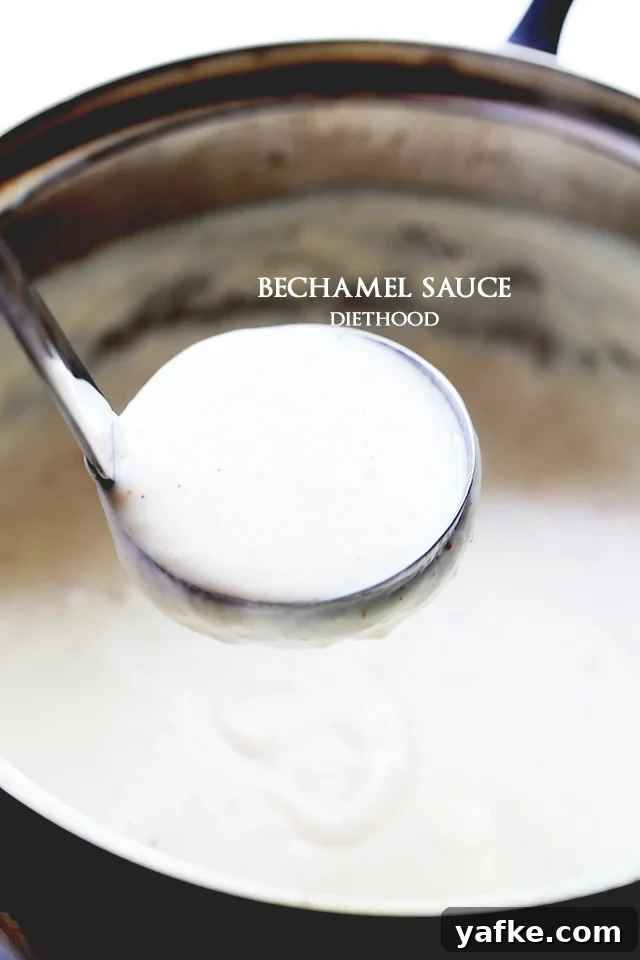
Béchamel sauce is a timeless French white sauce made from butter, flour, and milk. It’s creamy, versatile, and surprisingly simple to make. This easy béchamel recipe gives you a silky, lump-free base that’s perfect on its own or as the foundation for many other sauces and dishes.
Use this béchamel sauce straight away, or layer it into lasagna, breakfast lasagna, or use it as the starting point for sauces such as homemade Alfredo. It’s also ideal for casseroles, gratins, and creamy pasta dishes.
Despite its French name, béchamel is straightforward. If you’ve ever made a roux to thicken soup or make gravy, you’ve already done most of the work. A roux is simply equal parts butter and flour cooked together; add warm milk and you have béchamel. Below I’ll walk through how to make a smooth sauce, avoid lumps, and adapt the consistency to your needs.
Why I Love This Easy Béchamel Sauce
- Versatile. Béchamel is one of the most adaptable sauces in the kitchen. Use it with pasta, in lasagna, in casseroles, and as a base for many other sauces.
- Simple ingredients. It relies on three pantry staples — butter, flour, and milk — plus a few seasonings. As one of the classical “mother sauces,” it is designed to be simple and reliable.
- Foolproof when you follow the steps. The secret to a silky béchamel is a properly cooked roux and gradually added warm milk. With a little patience you’ll have a perfect white sauce every time.
What Is Béchamel Sauce?
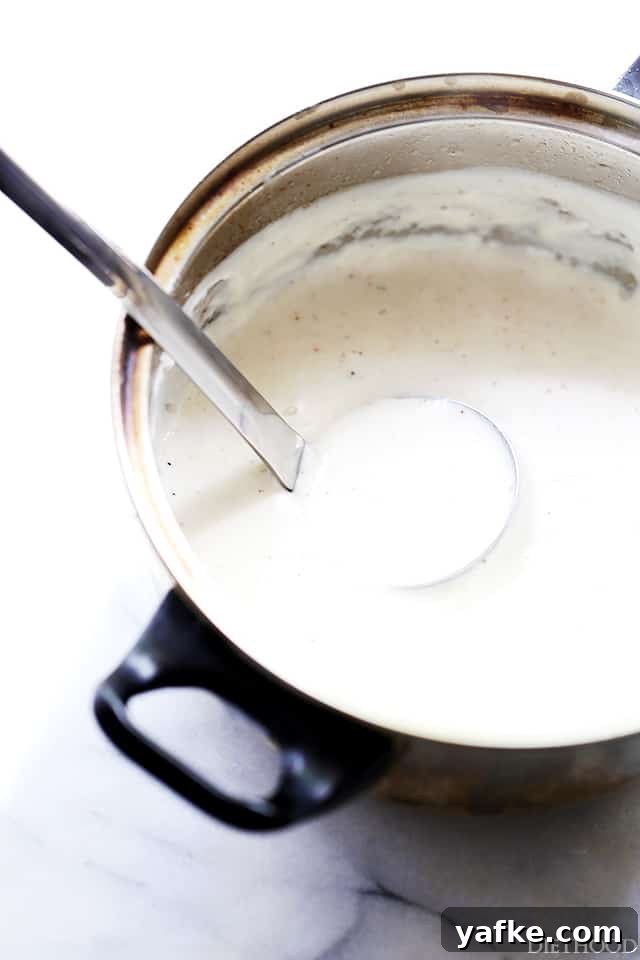
Béchamel is made by cooking butter and flour together to form a roux, then whisking in milk to create a smooth, rich white sauce. It’s one of the five classic mother sauces in traditional cooking. You can serve béchamel as-is or use it as the base for cheese sauces, cream sauces, and other variations.
Ingredients You’ll Need
Béchamel uses a short list of everyday ingredients. Below are notes on each and what to keep in mind when preparing the sauce.
- Butter – Unsalted butter is recommended so you can control the seasoning, though salted butter will also work if you adjust salt later.
- Flour – Use all-purpose flour. Avoid self-rising flour since added leavening agents will affect flavor and texture.
- Milk – Whole milk gives the best texture and flavor, but you can use lower-fat milk if desired. Warm the milk before adding it to the roux.
- Nutmeg – A classic seasoning for béchamel. Freshly grated nutmeg is best, but ground nutmeg can be used in a pinch. Salt and freshly ground black pepper finish the sauce.
How to Make Béchamel Sauce
The basic ratio for a béchamel is equal parts butter and flour (by volume) to form the roux, then enough milk to reach the desired thickness. This recipe yields a medium-thick sauce suitable for pasta, lasagna, and gratins. Steps:
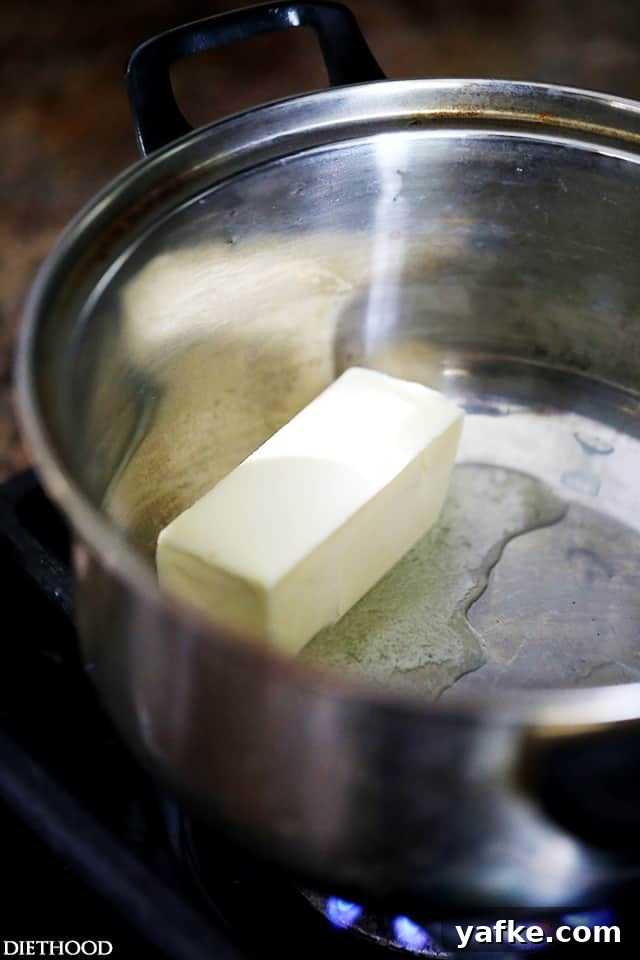
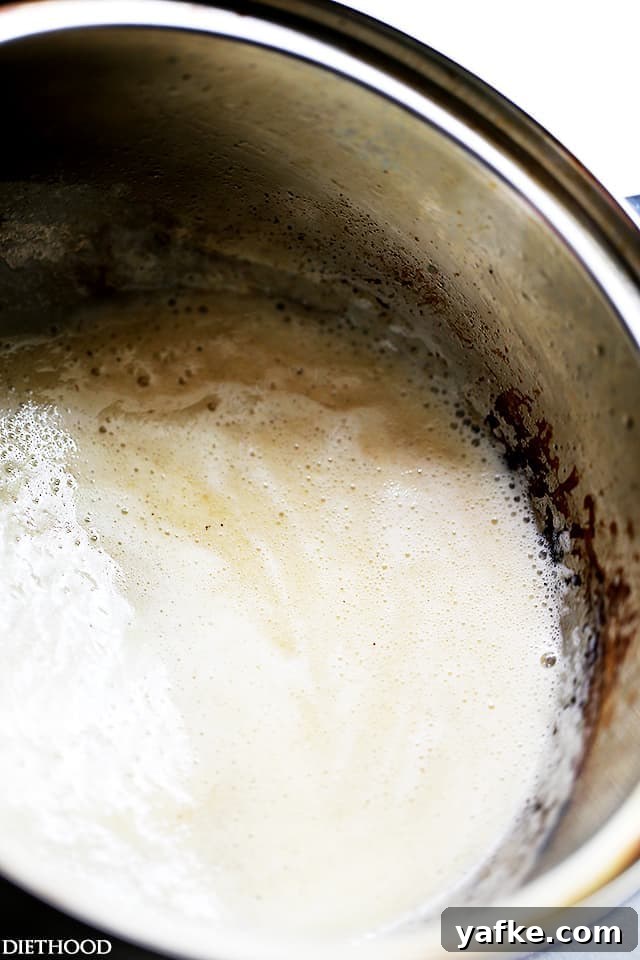
- Make the roux. Melt the butter over medium-low heat. Add the flour all at once and whisk continuously until the mixture is smooth and begins to turn a very light golden color, about 4–6 minutes. This cooks off the raw flour taste.
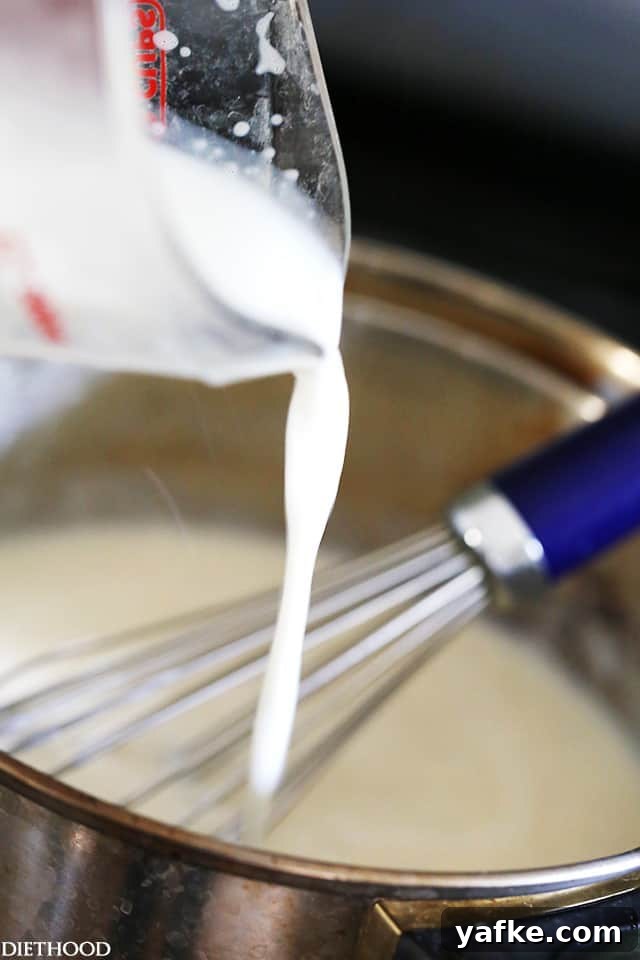
- Add warm milk slowly. Gradually pour in hot milk while whisking constantly. Adding the milk in a steady stream helps prevent lumps and produces a smooth emulsion.
- Simmer to thicken. Bring the sauce to a gentle boil, then reduce to a simmer. Cook for several minutes until it thickens to the texture you want.
- Season off the heat. Remove from the heat and stir in salt, freshly ground black pepper, and a pinch of nutmeg. Taste and adjust seasoning.
Why Heat the Milk?
Using warm or hot milk helps it incorporate into the roux more smoothly and shortens the time needed to thicken. Cold milk can lead to lumps and requires more vigorous whisking and longer cooking.
Tips to Remember
- Correct ratio: Equal parts butter and flour create a balanced roux for a smooth béchamel.
- Whisk well: Add the flour at once and whisk until no lumps remain before adding milk.
- Watch the heat: Cook the roux gently over medium-low heat. Raise the temperature only after the milk is added so the sauce thickens evenly without burning or separating.
Frequently Asked Questions
Yes. Cook over steady, moderate heat and avoid prolonged high heat to prevent the sauce from curdling or developing a grainy texture.
No. When the roux is cooked long enough it should develop a subtle nutty aroma and lose any raw flour taste. If the roux still tastes floury, cook it a little longer before adding milk.
Simmer the sauce long enough for it to reduce and thicken. If it remains too thin, make a small fresh roux and whisk it into the sauce, then simmer briefly until it thickens.
Ways to Use Béchamel Sauce
Once you know how to make béchamel, you can use it in countless dishes: spread in lasagna, combine with vegetables for a gratin, fold into creamy casseroles, or transform it into a cheese sauce. Popular derivatives include:
- Mornay: Béchamel with Gruyère and Parmesan for a rich cheese sauce.
- Cheddar sauce: Béchamel with whole milk and sharp cheddar, perfect for mac and cheese.
- Cream sauce: Enrich béchamel with a splash of heavy cream for extra silkiness.
- Soubise: Béchamel blended with caramelized onions for a savory, rounded flavor.
Storage
- Refrigerate: Store airtight in the refrigerator for up to 3 days. Press plastic wrap directly onto the surface to prevent a skin from forming.
- Reheat: Warm gently on the stovetop over low heat, stirring frequently. You can also reheat in the microwave in short bursts, stirring between intervals.
- Freeze: Freeze airtight for up to 1 month. Thaw overnight in the refrigerator; the texture may change slightly but will still work well in cooked dishes.
More Homemade Sauces
- Roasted Garlic Aioli
- Honey Mustard Sauce
- Garlic Butter Sauce
- Bolognese Sauce
Béchamel Sauce
Author: Katerina Petrovska
Prep Time: 5 minutes | Cook Time: 20 minutes | Total Time: 25 minutes | Servings: 3
Ingredients
- 4 tablespoons butter
- 1/4 cup all-purpose flour
- 3 cups hot milk
- 1 teaspoon salt
- Freshly ground black pepper, to taste
- 1/4 teaspoon grated nutmeg (optional)
Instructions
- Make a roux. Melt the butter over medium-low heat. Add the flour all at once and whisk continuously until smooth and lightly golden, about 5 minutes.
- Add milk. Slowly pour in the hot milk while whisking. Bring to a gentle boil and cook, stirring constantly, for about 8 minutes or until the sauce thickens.
- Season and serve. Remove from heat and stir in salt, pepper, and nutmeg. Use immediately or cool and store as needed.
Nutrition (per serving)
Calories: 309 kcal | Carbohydrates: 17 g | Protein: 8 g | Fat: 23 g | Saturated Fat: 14 g | Cholesterol: 64 mg | Sodium: 1013 mg
Nutritional info is an estimate and provided as a courtesy. Values may vary according to ingredients and tools used.
Made this recipe? Leave a rating or note for future cooks.