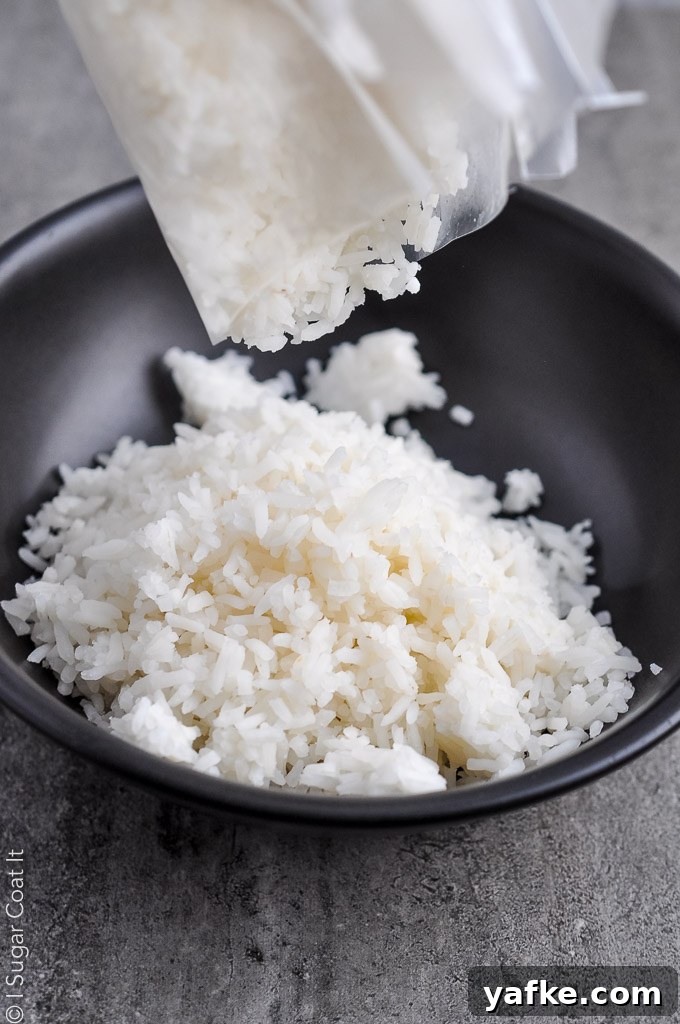
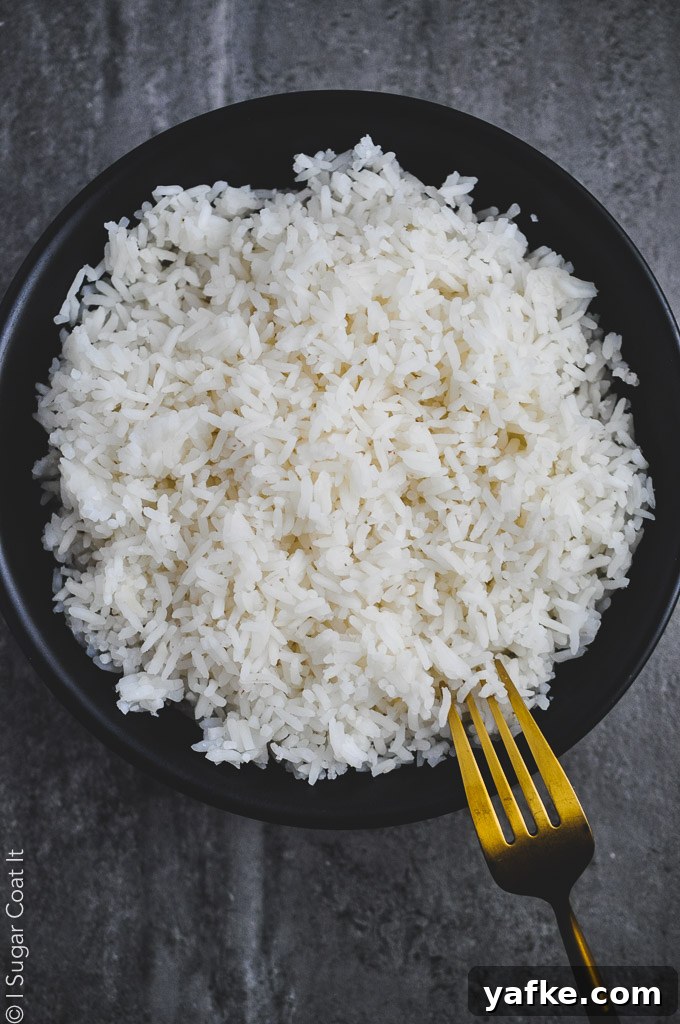
A fuss-free, foolproof way to cook light, fluffy, delicious rice sous vide, using water, coconut water, coconut milk or stock.
The Rice Conundrum
Rice can be surprisingly fussy: too mushy, undercooked, watery or clumpy. I struggled for years with the standard 2:1 water-to-rice rule until watching my grandmother make a perfect pot using a simpler approach. That memory stuck with me and eventually led to a sous vide adaptation that removes guesswork and delivers consistent results every time.
Grandma’s Perfect Pot of Rice
My grandmother taught me a simple method that reliably produces fluffy rice. The steps are straightforward and translate very well to sous vide cooking:
- Soak and rinse the rice to remove dust and excess starch.
- Combine rice with an equal amount of liquid — water, coconut water, coconut milk, chicken stock, or a blend.
- Bring to a boil (stove-top) or seal and heat (sous vide).
- Lower the heat or maintain the sous vide temperature, cover and cook until tender.
- Let rest briefly, then fluff and serve.
I don’t have my grandmother nearby to cook for me, but this method is easy to reproduce at home — and sous vide makes it nearly effortless.
Grandma’s Rice, The Remix
I’ve been cooking sous vide for years and adapted my grandmother’s 1:1 ratio with great success. The sous vide environment offers several advantages:
- No steam loss: vacuum-sealed bags keep all the liquid inside, so you don’t need to top up.
- Sealed flavor: broth, coconut milk or coconut water stays locked into the rice for a more concentrated taste.
- Hands-off and consistent: set the temperature and time, and the rice cooks evenly every batch.
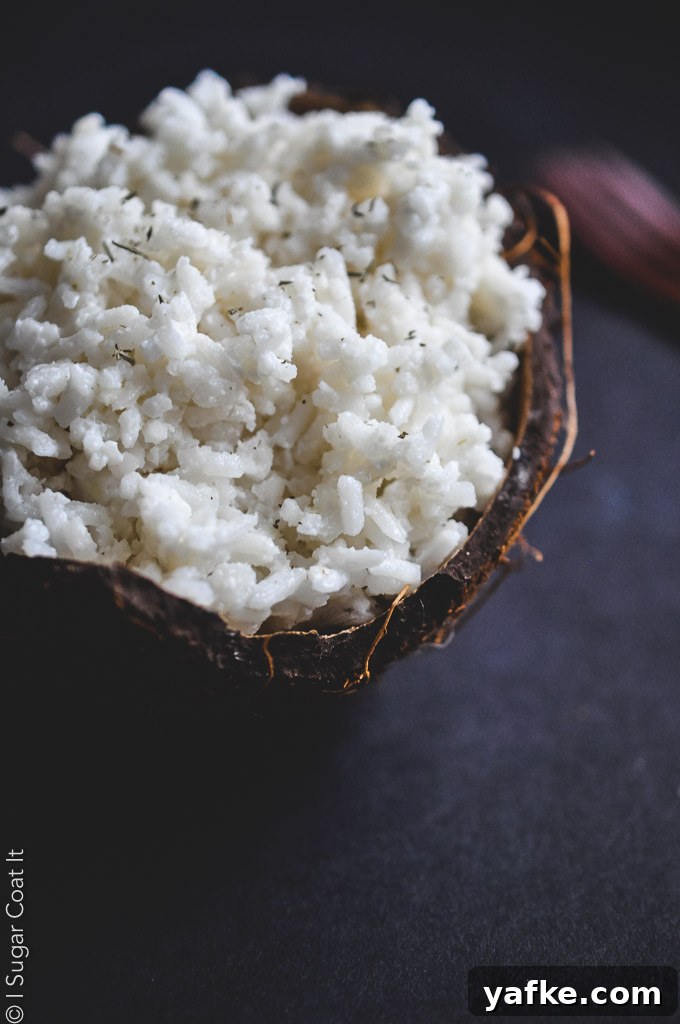
- Versatile: substitute water with broth, coconut water or coconut milk for different flavor profiles. Note that pure coconut milk can make grains cling together more than thinner liquids like water or broth.
- Expandable: with minor time or temperature adjustments this approach can work for other rice varieties and grains.
Sealing In The Flavour, Mess-Free
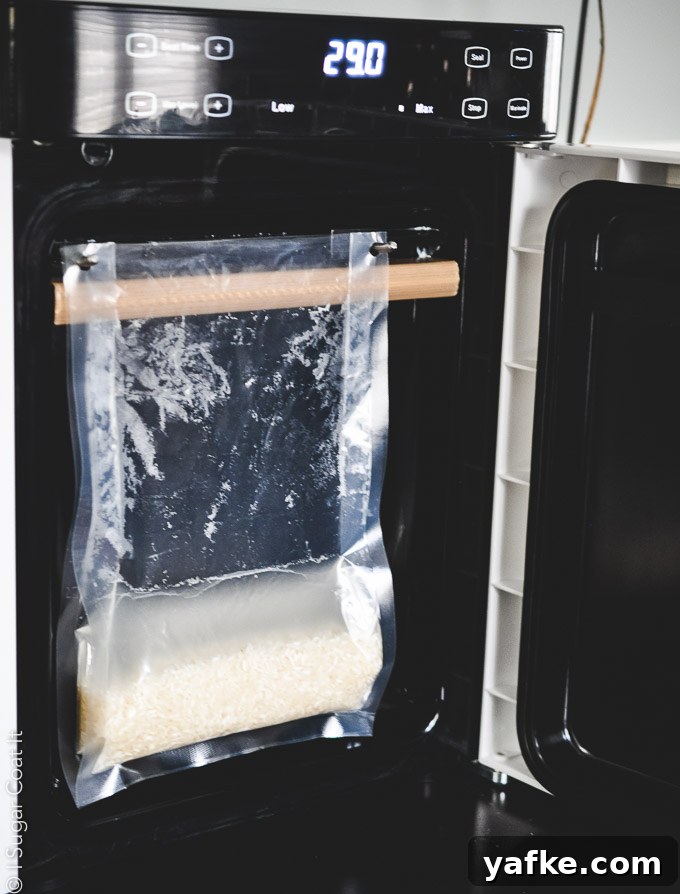
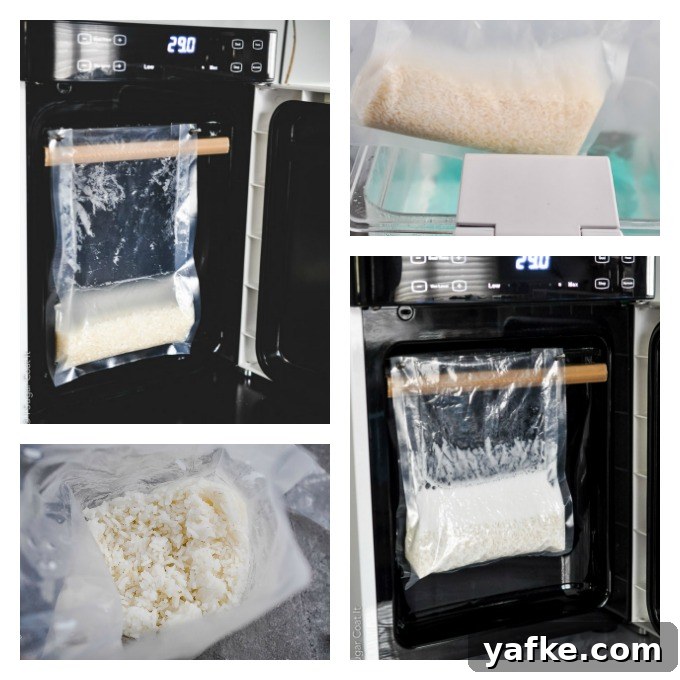
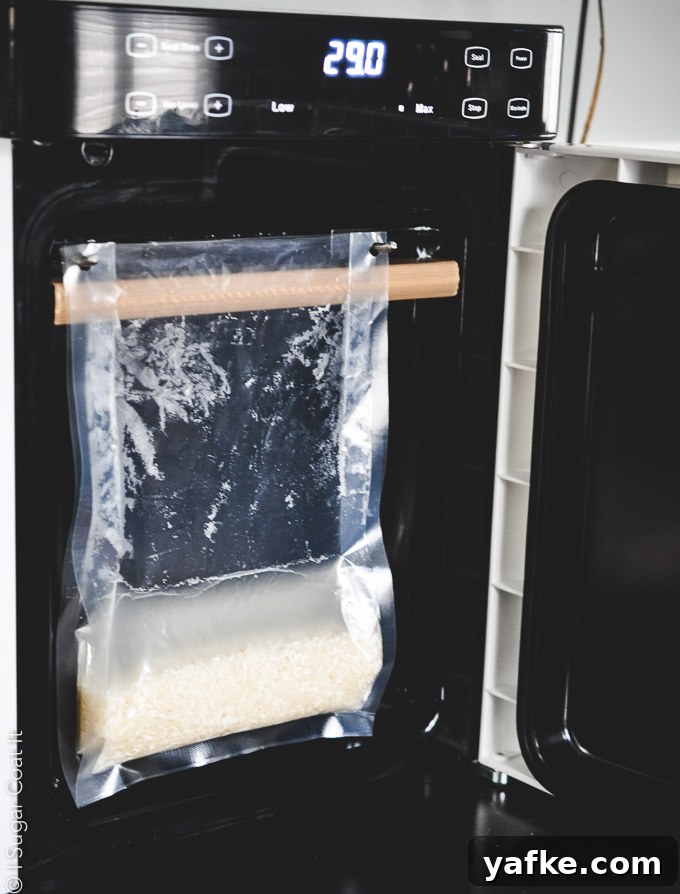
This sous vide method reliably produces perfectly cooked rice. I used resealable freezer bags before getting a chamber vacuum sealer — the latter makes sealing liquids cleaner and easier because it evacuates air without sucking out the liquid. A chamber vacuum sealer is convenient but optional; you can achieve excellent results using a high-quality resealable freezer bag and the water-displacement method.
If you have a chamber vacuum sealer, it speeds the process and reduces mess. If not, slide the bag down a counter edge and seal most of it, leaving a small opening; submerge the bag to push air out, then finish sealing. Both techniques work well for sous vide rice.
If you try this method, tag me on social platforms with your photos and variations — I love seeing how people customize the liquids and pairings.
How To Cook Rice Sous Vide
10 mins
25 mins
Ingredients
- 1 cup rice (rinsed)
- 1 cup coconut water or broth (or water, or a coconut/water blend)
Equipment
- Polycarbonate container or suitable pot
- Sous vide immersion circulator
- Chamber vacuum sealer (optional)
- Vacuum bag or high-quality resealable freezer bag
Method
-
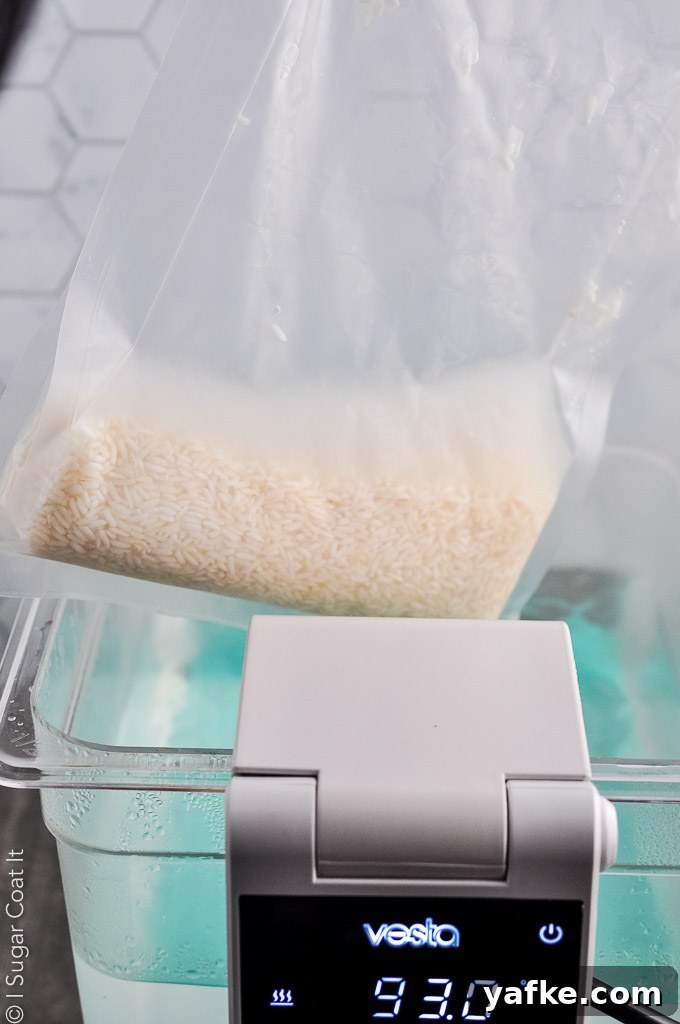
Prepare the water bath by filling the container, attaching your immersion cooker and setting the temperature to 93°C (199°F). Cover and allow the water to come to temperature.
-
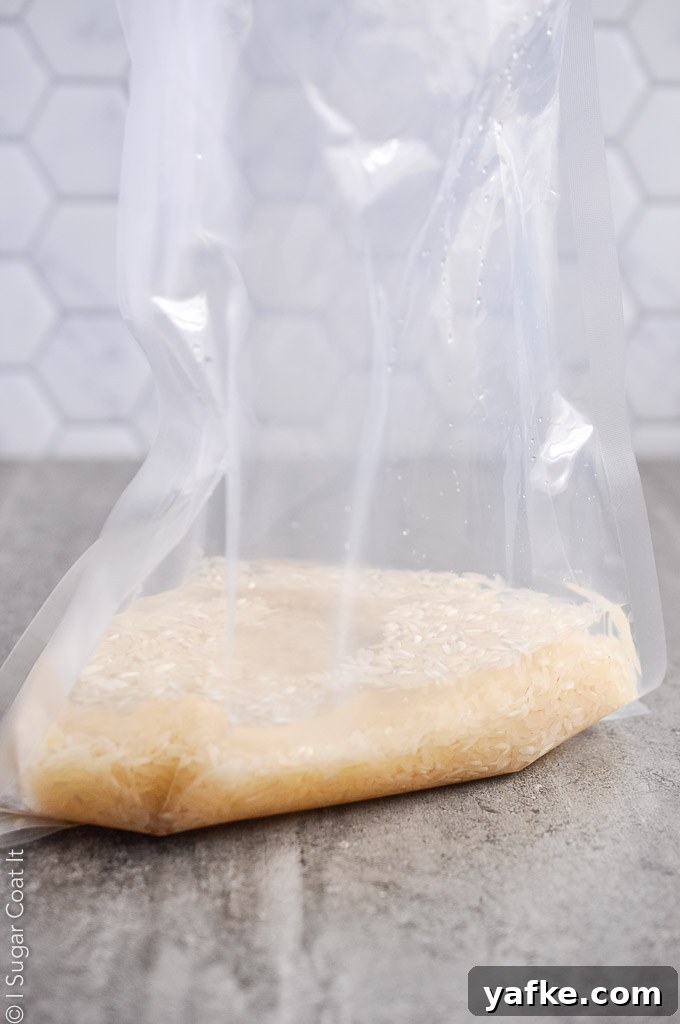
Rinse the rice under cold water until the rinse runs clearer to remove dust and excess starch. Place the rinsed rice and the chosen liquid into a vacuum bag or resealable freezer bag.

-
Vacuum seal the bag. If you do not have a chamber vacuum sealer, use a resealable freezer bag and remove as much air as possible using the water-displacement method: seal most of the bag, leaving a small opening, then slowly lower the bag into the water so pressure pushes the air out before sealing completely.
-
When the water bath reaches temperature, submerge the sealed bag and cook for 25 minutes. If using a zipper bag, crack the seal slightly before submerging and let water pressure expel remaining air, then seal the bag fully and allow it to cook.
-
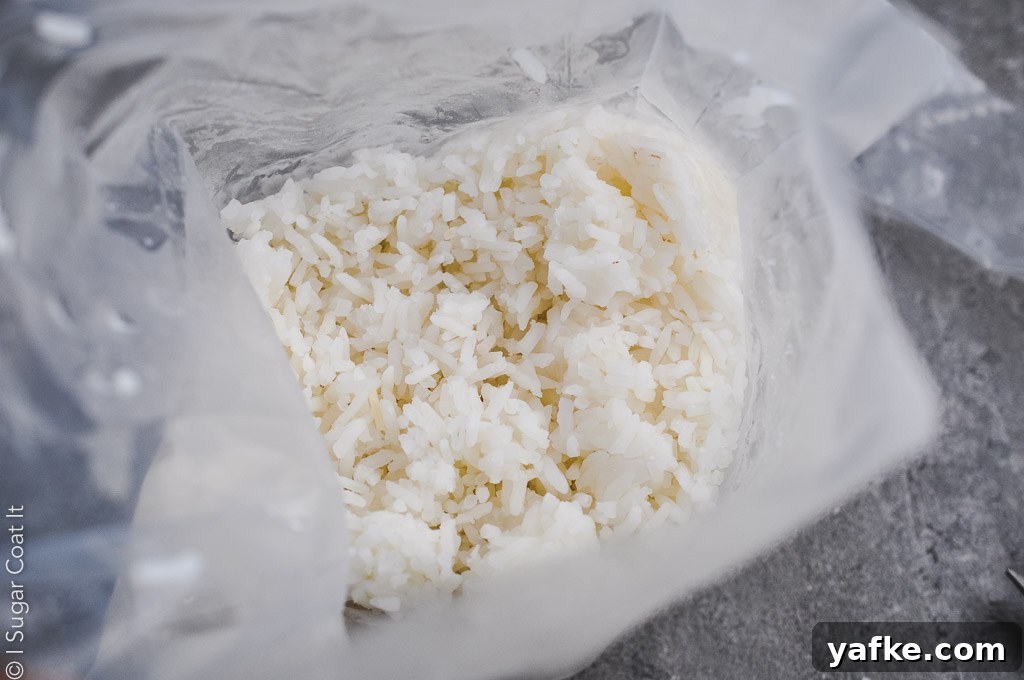
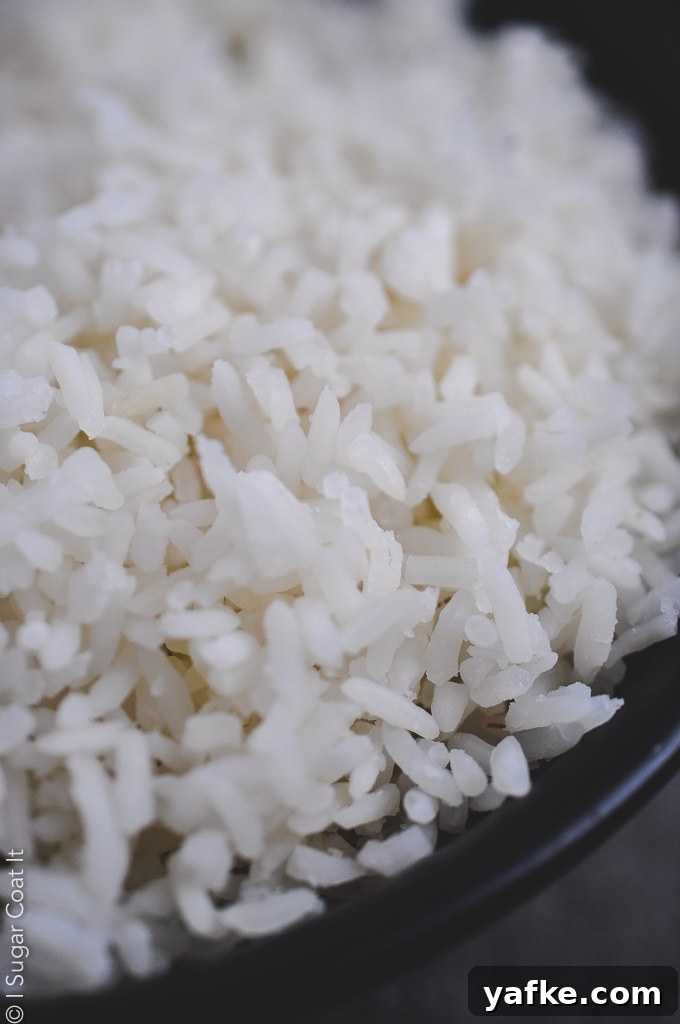
When the cook time ends, remove the bag carefully with tongs. Let the bag rest for about 10 minutes, then open, fluff the rice with a fork and serve immediately.