
Whether you’re actively pursuing a low-waste lifestyle or simply looking to save money, repurposing everyday items is a sensible and creative habit. Reusing what you already own reduces waste, stretches your budget, and often yields charming, useful results. You don’t need to buy specialty storage or décor when many household items can be given a second life with minimal effort.
Ways to Repurpose Old Textiles
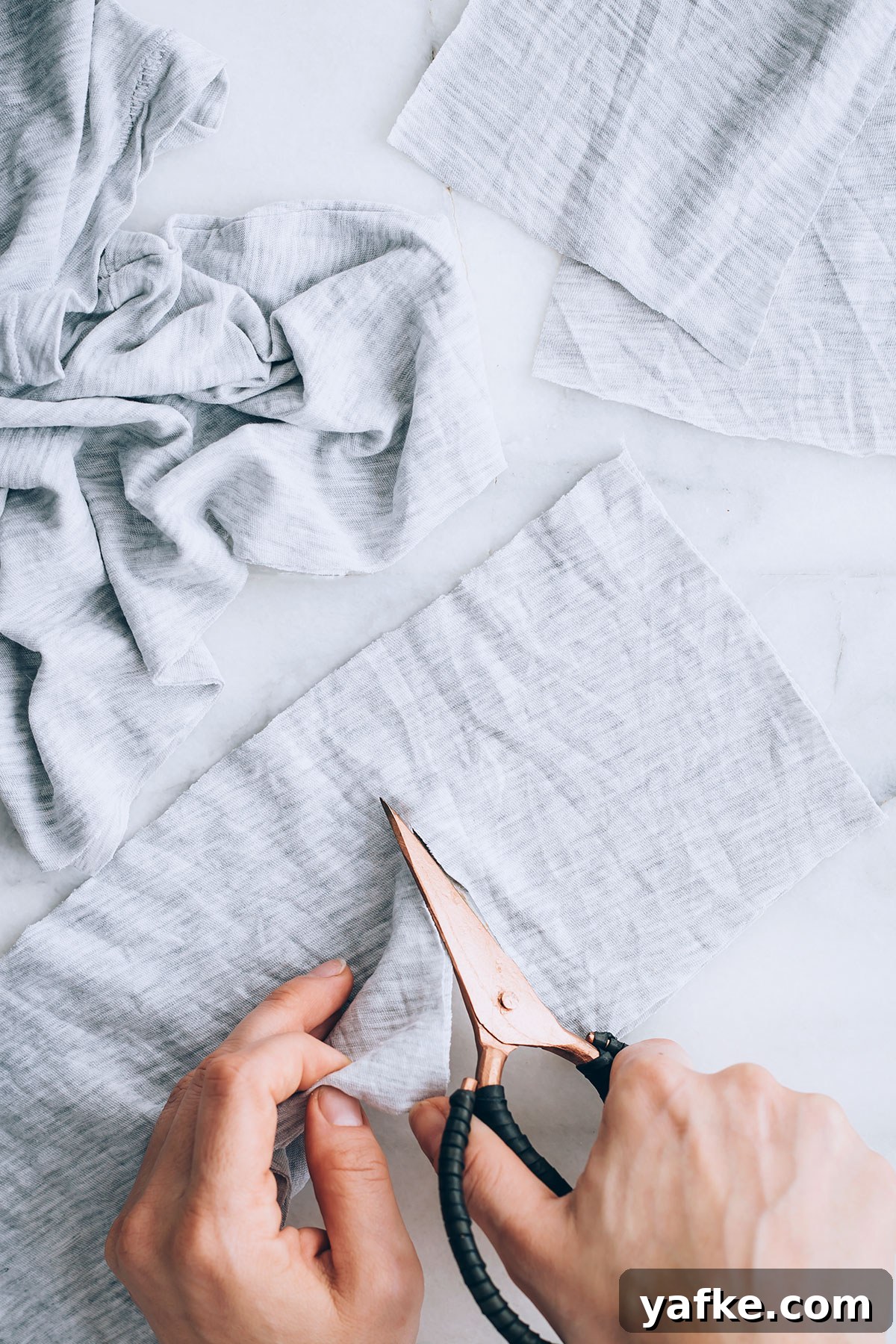
Old t-shirts are among the easiest textiles to upcycle. If the fabric is in decent shape, cut and sew—or even no-sew—t-shirts into reusable tote bags or produce bags. When a shirt is too worn for carrying items, consider cutting it into cleaning wipes or turning it into t-shirt yarn to braid into bracelets, small baskets, or floor rugs. Jersey knit fabric has the advantage of not fraying, so scraps can also be used to wrap gifts in an eco-friendly way without hemming.
Bedding, tablecloths, curtains and even out-of-fashion dresses provide larger pieces of fabric perfect for making cloth napkins, placemats, or simple aprons. Absorbent materials like old bath towels and baby blankets can be transformed into reusable kitchen towels or unpaper towels. Single socks that have lost their partners are excellent for dusting or polishing—wet one with a little vinegar and lemon for an effective, natural cleaner.
Stained or faded garments don’t have to be discarded. Dyeing techniques such as shibori, natural beet dye, or flower pounding can refresh and personalize fabrics. These methods let you hide marks, create patterns, or simply give a loved item new life. And torn stockings have uses beyond mending—try them for natural egg dyeing during holidays or as a component in DIY wool dryer balls and craft projects.
Ways to Repurpose Glass Jars
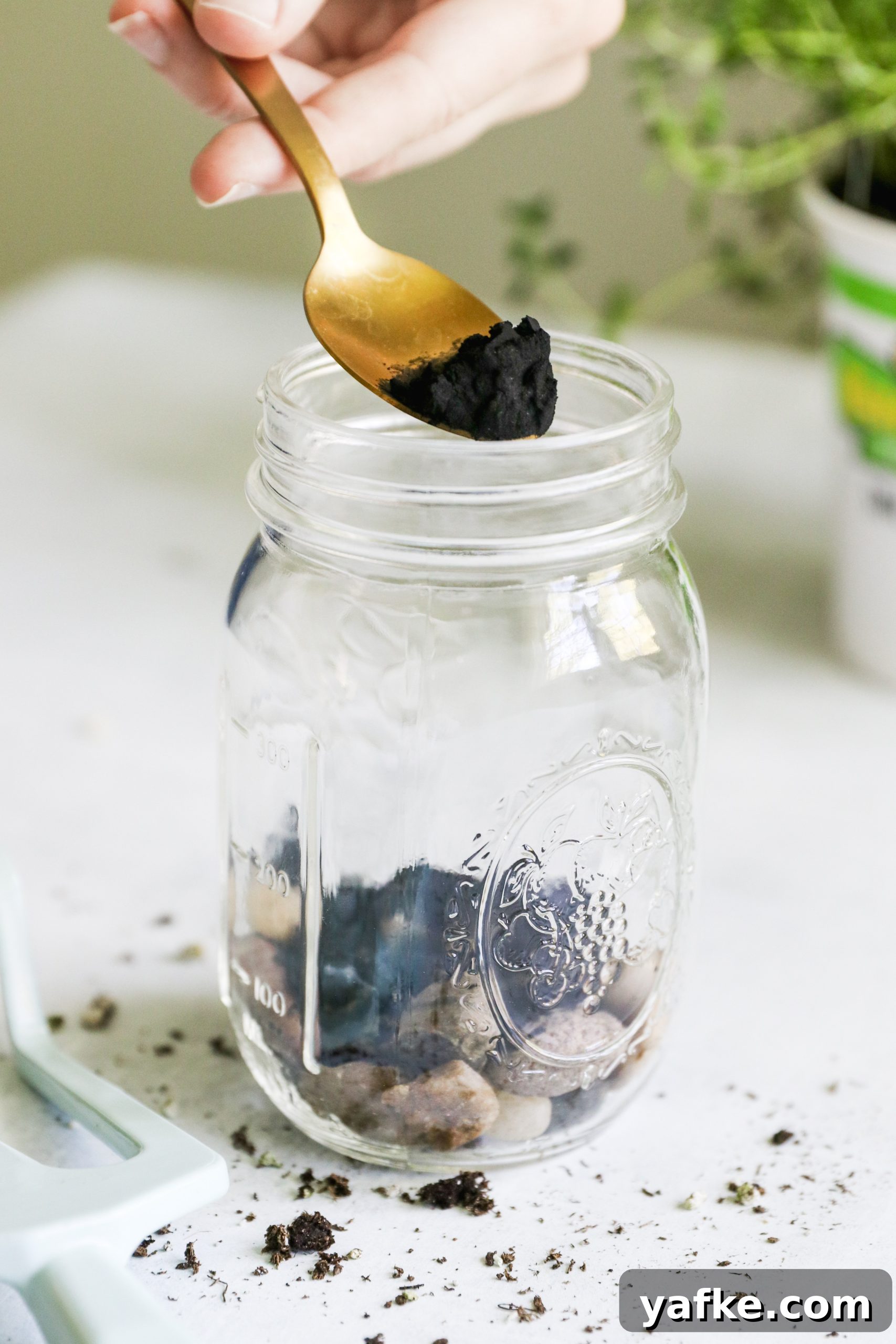
Glass jars are incredibly versatile and one of the easiest things to reuse. Cleaned jars are excellent for pantry storage, meal prep containers, and layered gifts. They also make tidy organizers for small items on a vanity, in a workshop, or on a bathroom shelf. Storing food in glass avoids plastic taste transfer and is durable for long-term use, making repurposed jars a practical zero-waste choice.
Keep jars from food, candles, or cosmetics and remove labels to reuse them for homemade candles, wax melts, or sachets. If you have empty wine bottles, consider using them as-is for self-watering plant systems or decorative vases. For those comfortable with glass cutting, a bottle cutter can transform bottles into drinking glasses, candle holders, or hanging planters—though cutting glass requires proper tools and safety precautions.
Ways to Repurpose Ice Cube Trays
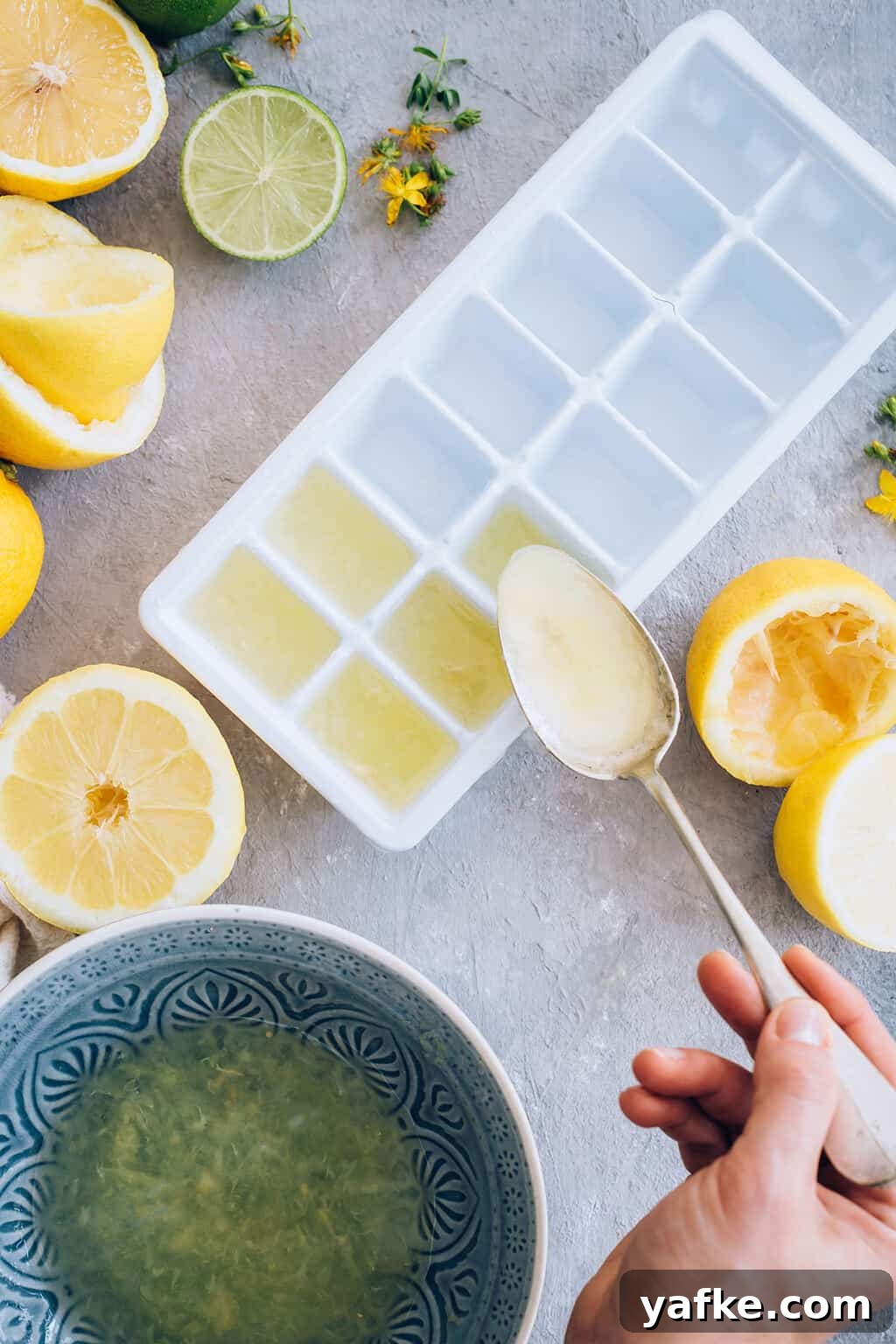
Ice cube trays are small but mighty. Beyond freezing water, they make excellent molds for green cleaning and personal-care products. Freeze portions of homemade dishwasher tablets, garbage-disposal fresheners, refrigerator deodorizers, or wax melts in trays for neat, portioned results. They’re also ideal for sugar scrub cubes, lotion bars, and bath bombs—single-use, pre-measured quantities that simplify routines.
In the kitchen, trays help prevent food waste by freezing leftover broth, chopped herbs, pesto or sauce in usable portions. Freeze coffee in trays to chill drinks without diluting them, or create smoothie-ready cubes of fruit and juice. Flexible silicone trays are especially handy for popping out frozen portions without a struggle.
Ways to Repurpose Beauty Items
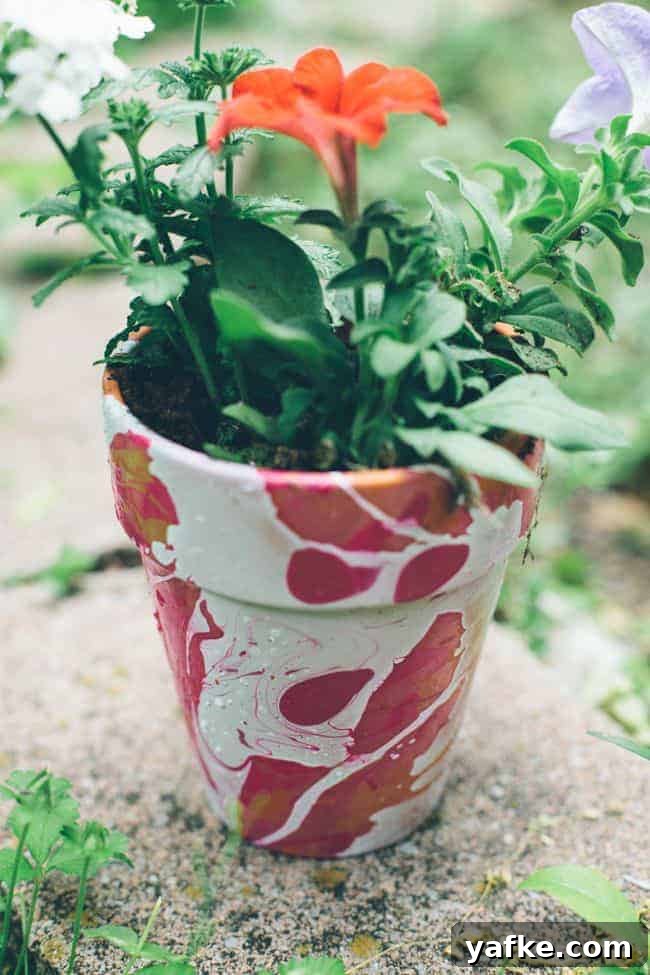
Expired or unused beauty products can be repurposed in creative ways. Old nail polish works as craft paint for marbling eggs, decorating planters, or adding accents to glass and pottery—treat it like acrylic paint rather than a cosmetic. Eyeshadow powder can add shimmer to a homemade body lotion or oil if the product is still safe to use; however, avoid using expired makeup on skin and always test new combinations on a small area first.
Small cosmetic containers also lend themselves to travel-sized storage for homemade balms, creams, or spice blends when cleaned thoroughly. Repurposing beauty packaging reduces waste and keeps small items organized without buying new containers.
Repurposing is as much about creativity as it is about conservation. A little imagination, a few basic tools, and some cleaning and preparation can turn items bound for the trash into practical, beautiful, and budget-friendly household solutions. What everyday items have you repurposed successfully?