
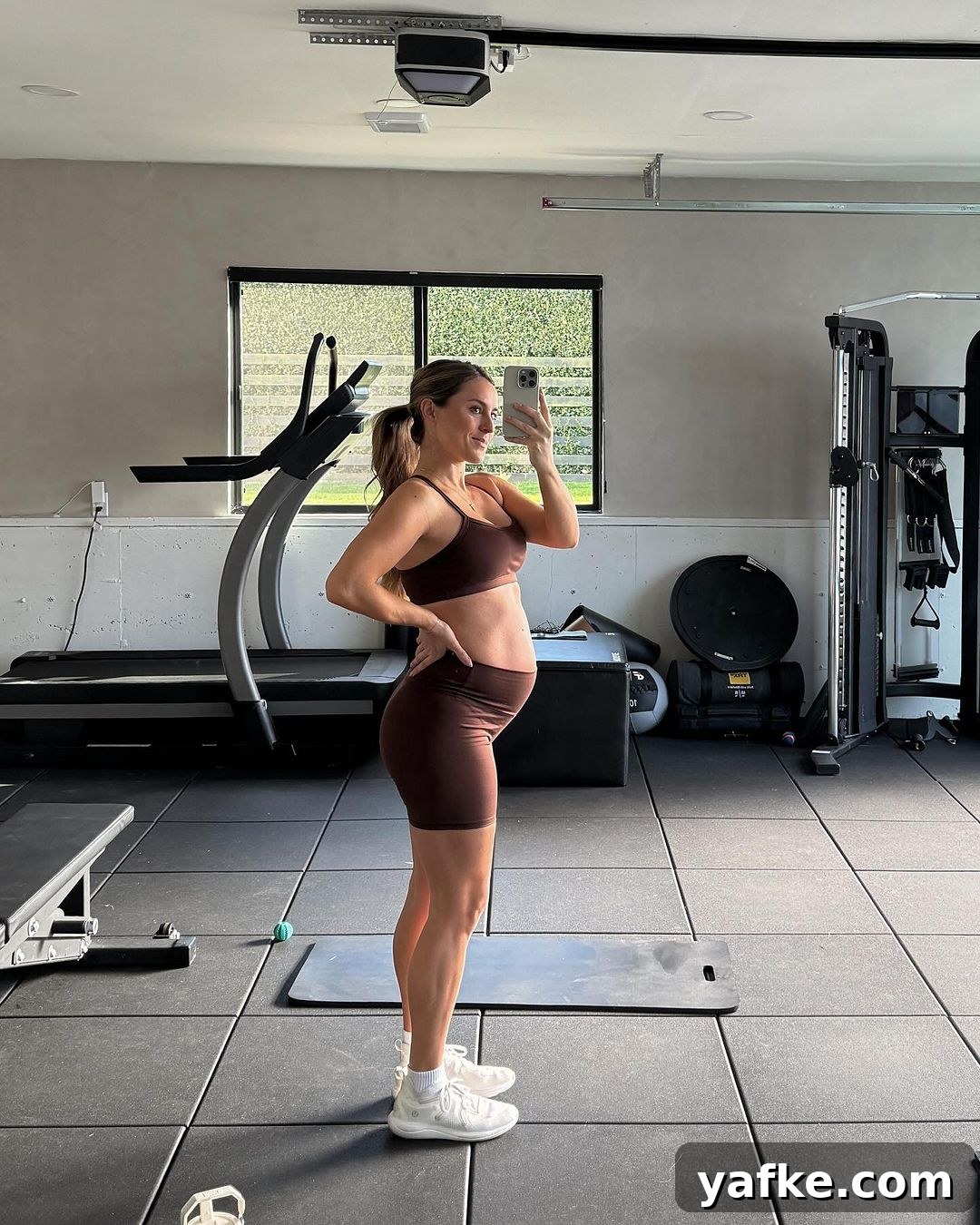
As a certified personal trainer, prenatal exercise specialist, and registered dietitian, I’m frequently asked whether pregnant people should keep exercising. The short, straightforward answer is yes — with sensible precautions. When adapted to your changing body, regular exercise during pregnancy supports physical health, emotional balance, and makes day-to-day life easier during this special time.
Below I’ll outline the main benefits of prenatal fitness, how to adjust workouts as your pregnancy progresses, and simple ways to honor your energy and recovery needs. The goal is safe, sustainable movement that fits your life.
Why Exercise During Pregnancy Matters
Staying active during pregnancy goes beyond fitness goals — it protects your heart, improves circulation, and helps regulate sleep and mood. The mental-health benefits are especially powerful: movement can reduce anxiety, improve resilience, and help you feel more present and confident. Physically, targeted exercise builds strength that supports changing posture and reduces pressure on joints, which can ease common aches and pains.
Safe, appropriate pregnancy workouts can also:
- Improve circulation and reduce swelling
- Build endurance and stamina helpful for labor
- Keep you connected to your breathing and pelvic floor, which supports labor, birth, and recovery
- Alleviate discomforts like back pain and constipation
- Help you feel stronger and more capable as your body changes
Many of these benefits carry over into the postpartum period, making the transition into parenthood a little smoother.
How to Approach Prenatal Fitness
Every pregnancy is unique, so the best advice is to listen to your body and adjust as needed. Movements that felt easy in one trimester may need modification later on. If an exercise feels overly intense or uncomfortable — for example, high-impact moves like jump squats or rapid mountain climbers — swap them for safer alternatives like regular squats, slow marching, or step-ups. The consistency of movement matters more than pushing hard.
On lower-energy days, here are simple, lower-intensity options that still provide benefit:
- Daily Walks – Walking is safe, accessible, and effective at boosting mood and circulation. Choose flat terrain or a gentle incline based on how you feel.
- Stairs – A convenient, low-impact way to raise heart rate without harsh impact on joints and the pelvic floor.
- Stretching + Mobility – Ten to fifteen minutes of light mobility work can relieve tension, improve posture, and support recovery. (If helpful, I’ve shared five daily stretches for pregnancy.)
Prioritize consistency over intensity. Some days you’ll have energy for a short strength session; other days, a walk or gentle stretch is enough — and that’s perfectly fine.
My Approach to Pregnancy Workouts
In my own pregnancy, mornings often worked best — I tended to feel more energetic earlier in the day. Many people notice low energy in the first trimester and gradually improve around week 13, so timing your workouts to match how you feel can make them more sustainable.
I developed the GOOD // SWEAT Pregnancy Guide with flexibility in mind: it contains 26 weeks of workouts tailored for the second and third trimesters. The plan is structured to keep you active without ramping up intensity over time, so you can maintain strength, mobility, and confidence at a comfortable pace.
Whether you’re managing fatigue, nausea, or a packed schedule, the aim is to provide practical, adaptable routines that support your changing body.
Making Pregnancy Exercise Work for You
In short, exercise in pregnancy isn’t binary — it’s adaptable. A short strength circuit, a brisk walk, or a restorative stretch session all count. The key is choosing movement that feels safe, energizing, and supportive for your body and mood that day.
If you want a guide that gives structure without pushing unnecessary intensity, a pregnancy-specific program can be a helpful starting point. Above all, prioritize comfort, good form, and plenty of rest.
Sending love and encouragement to all the mamas-to-be — you’re doing an important, wonderful thing for your health and your baby.
More Tips & Blog Posts on Exercise During Pregnancy:
- 3 Things That Improved My Pregnancy
- When to Modify Workouts During Pregnancy
- Prenatal Fitness: Exercises To Avoid While Pregnant
- 9 Reasons Why Strength Training Is Beneficial During Pregnancy
- Building Your Pregnancy Support Squad: 5 Helpful Experts to Consider on Your Journey
- Yoga Ball Exercises for Pelvic Floor During Pregnancy: 7 Moves for Strength & Flexibility