
Maybe the problem isn’t that you’re eating the “wrong” foods — maybe it’s that you’re following the wrong rules about when and how much to eat.
Just as people don’t all prefer the same flavors, they also don’t all need the same portion sizes or meal frequency. Using someone else’s plate as a guide for how much to eat is risky. Our bodies, activity levels, and metabolisms differ, so it makes sense that our calorie needs and meal patterns should, too.
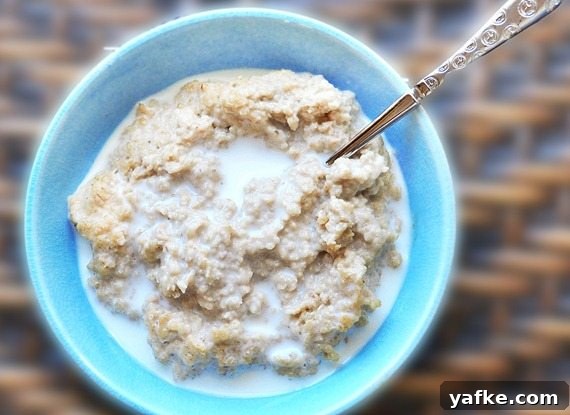
For breakfast today I had a bowl of Sugar Cookie Oatmeal.
I ate it after a run, with sliced strawberries and peanut butter. Before the run I had fresh watermelon and a handful of pistachios. While I was finishing my breakfast I chatted with my younger sister on the phone — she’d just woken up and was eating a single container of yogurt.
Which of us is right about how much to eat?
Both. I likely eat roughly twice as much as my sister, yet we are both healthy. She is shorter, has a slower metabolism, and doesn’t run, so she needs fewer calories. If she tried to eat like me she would probably get a stomachache; if I ate like her I’d be starving. Different bodies and different routines call for different eating habits.
There’s also a lot of pressure to follow a specific meal schedule. Popular advice often pushes the idea that there is a single “correct” meal frequency — for example, five or six small meals spread across the day. That can work well for some people, but it’s not a universal rule. Rather than treating meal timing as an absolute, experiment and find the pattern that supports your energy, mood, sleep, and activity levels.
If you’re trying to figure out how often to eat, think practically: eating every three to four hours suits many people because it helps keep blood sugar and energy steady. But if you feel fine going five or six hours without food, there’s no obligation to snack just to match a trendy schedule. The goal should be to listen to your hunger cues and align meal frequency with your life.
Consider my friend Sarah as an example.
Her typical day includes a small breakfast, one large lunch, and a sizable dinner. She rarely snacks — unless I bake Lemon Poppyseed Muffins, in which case she’s powerless to resist.

I, on the other hand, tend to eat six smaller meals a day and I almost always taste-test recipes between meals. You could say my mouth is rarely empty. Does that mean one of us is doing it wrong? Absolutely not. We simply have different appetites, daily routines, and nutritional needs.
When you read about “ideal” meal plans, keep in mind that the same advice won’t fit everyone. Factors such as height, body composition, activity level, sleep, stress, and personal preference all influence what works best. There’s no one-size-fits-all answer to portion sizes or how often to eat.
If you’re trying to personalize your approach to eating, here are a few practical ideas to test (without turning them into rigid rules):
– Notice how your energy and focus respond to different meal schedules. If you feel sluggish or overly hungry, try adjusting portions or timing.
– Match intake to activity: on days with more movement or exercise you may need larger or more frequent meals.
– Trust your hunger and fullness signals. They’re often the best guide for meal frequency and portion control.
– Be flexible. Your needs can change over time, with stress, activity, and age.
Do you eat three square meals, six smaller ones, or do you graze throughout the day?
And do you ever compare your portions to other people’s? Remember: comparison can be misleading. The better strategy is to discover what makes your body feel energized, satisfied, and healthy — then stick with that pattern rather than copying someone else’s routine.