
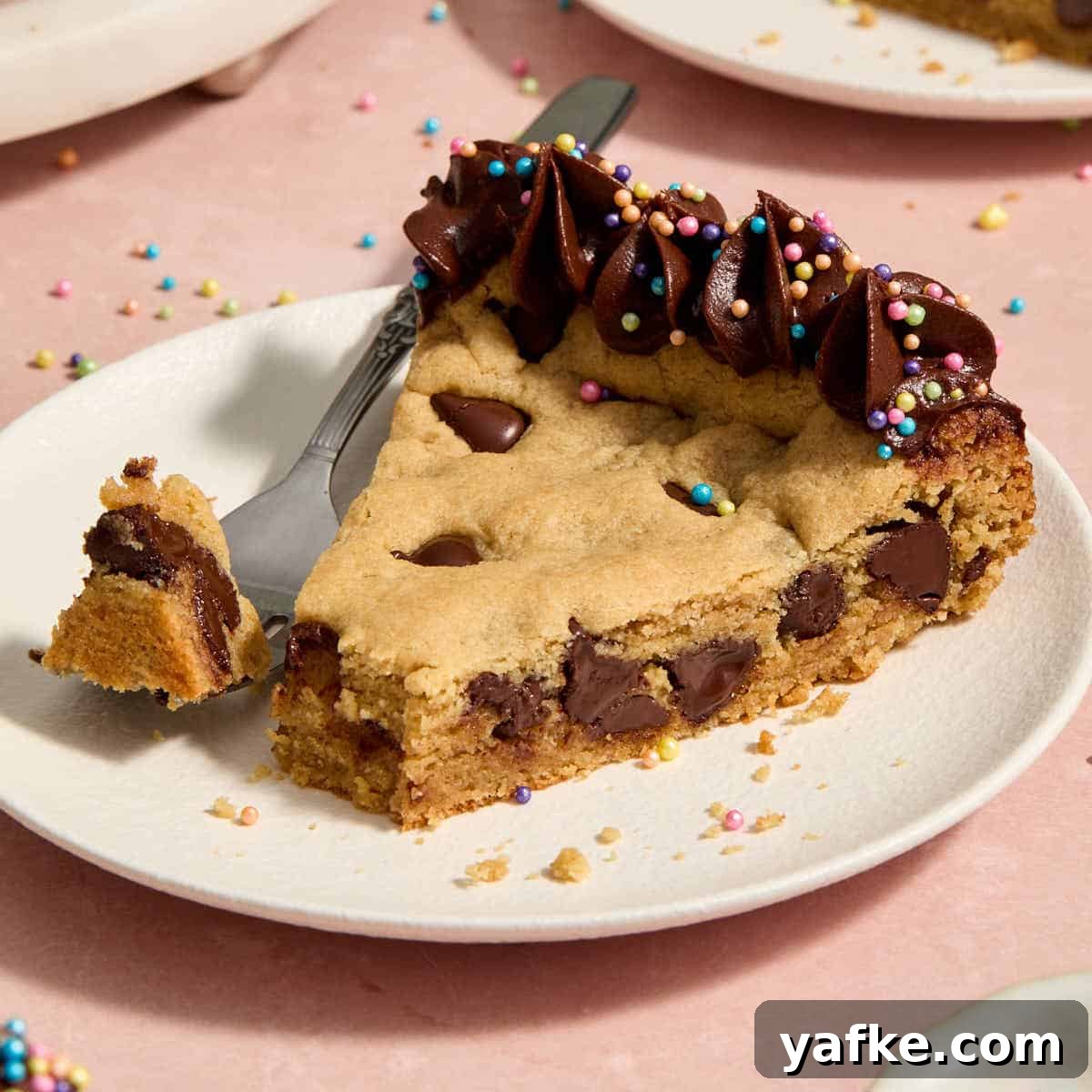
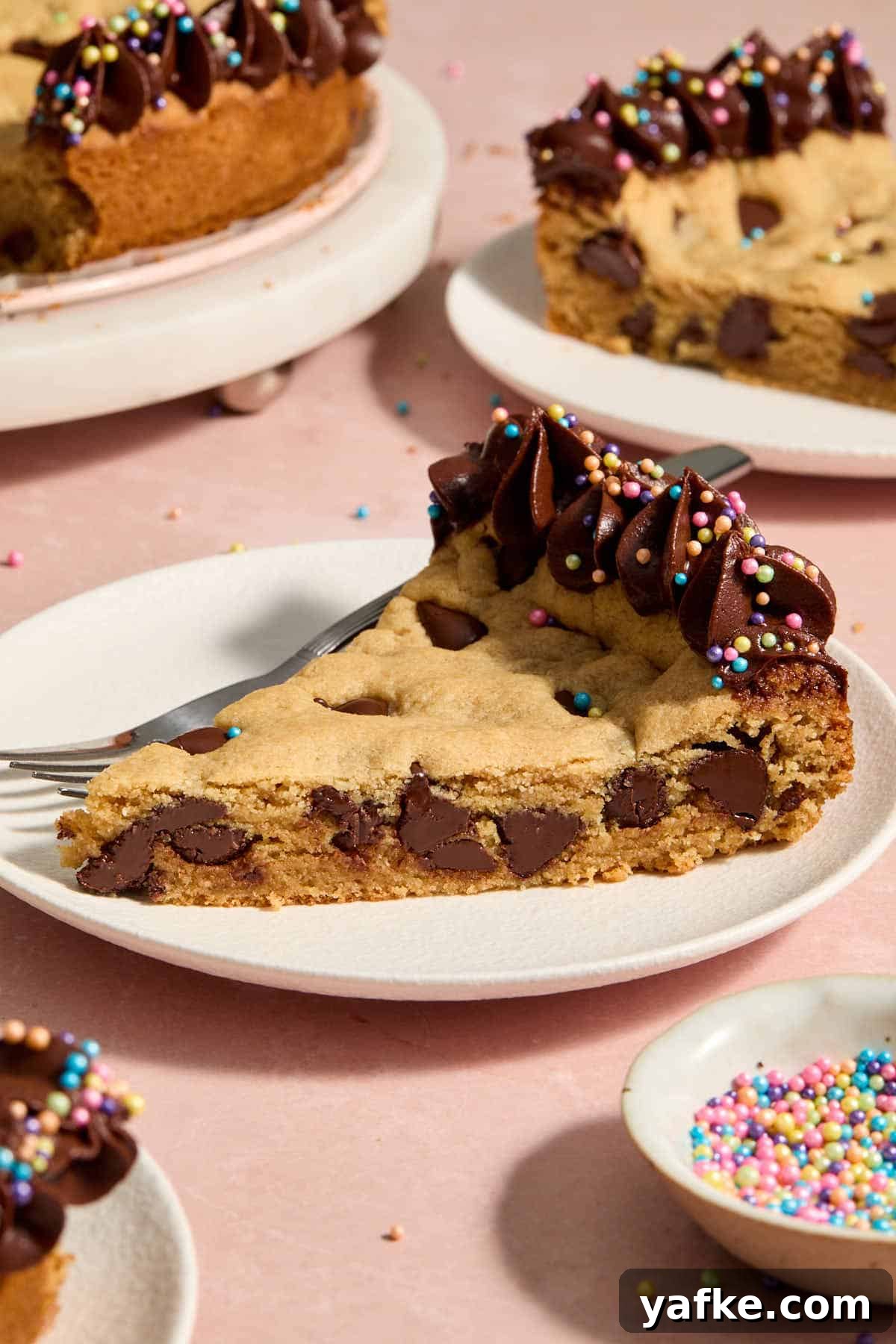
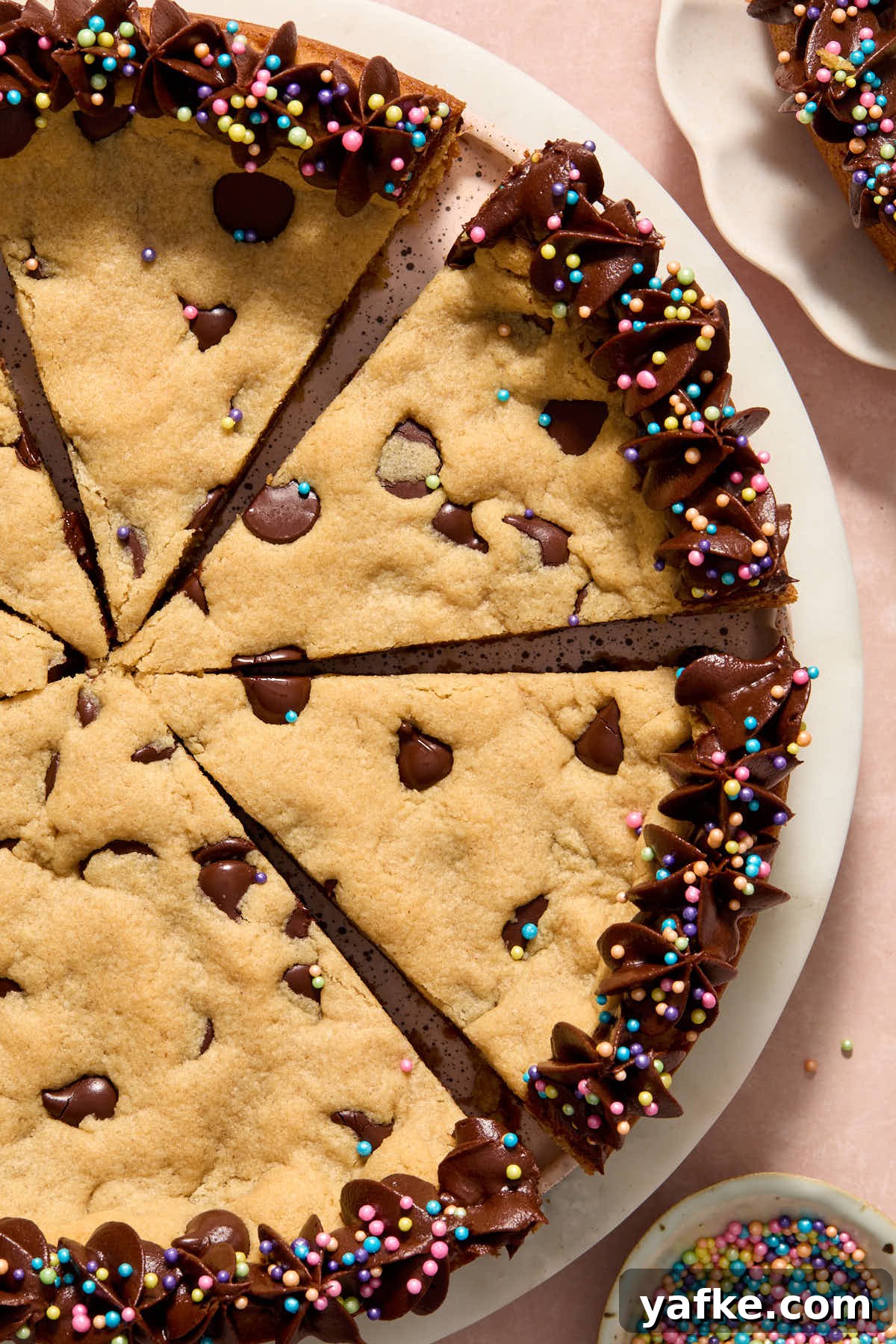
This Almond Flour Peanut Butter Chocolate Chip Cookie Cake is thick, soft and chewy with crisp edges, a rich peanut butter flavor and plenty of dark chocolate chips. Baked in a 9-inch pan and finished with a fudgy chocolate frosting and sprinkles, it slices like a cake—perfect for celebrations or whenever you want a fun, gluten-free alternative to a traditional layer cake.
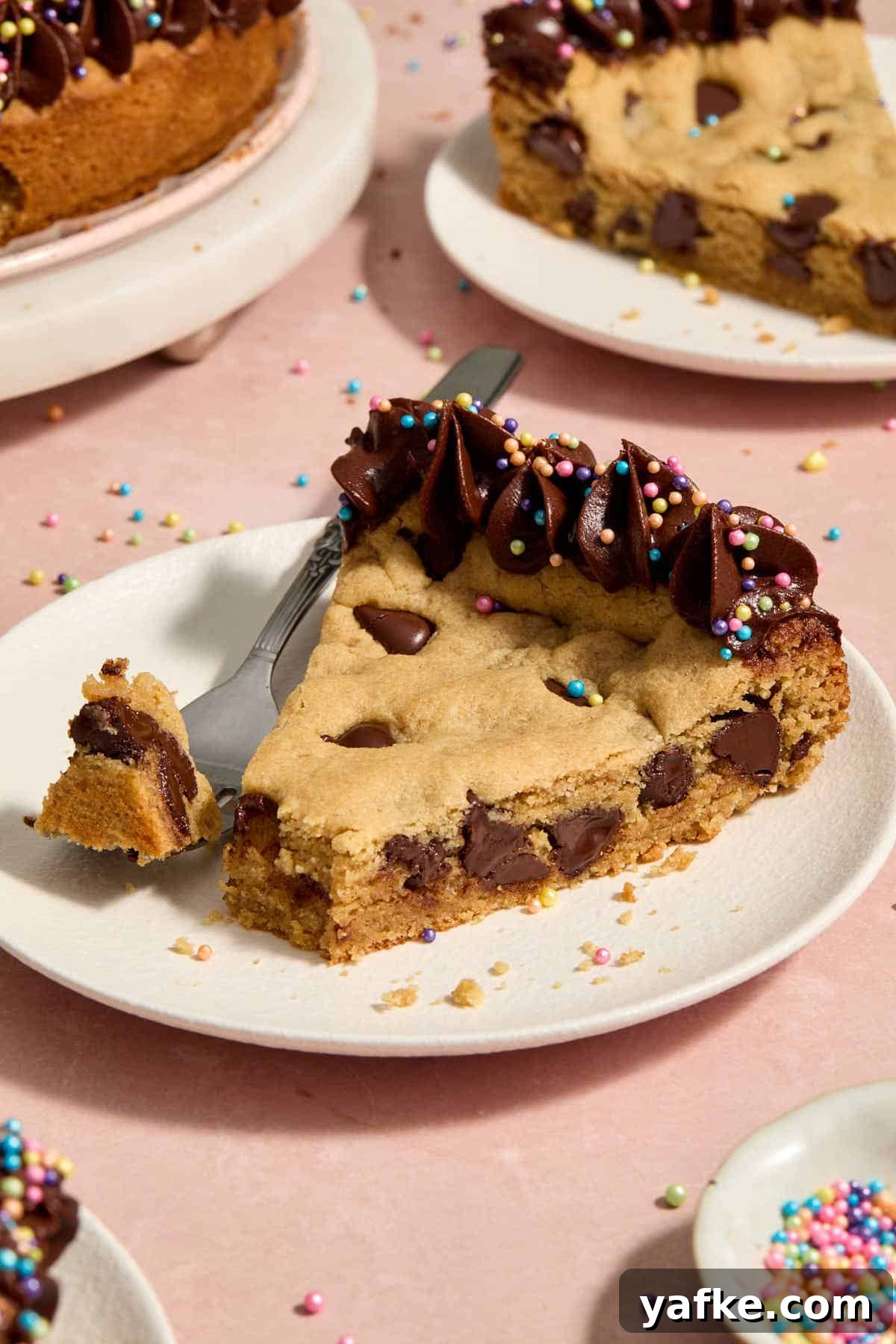
Made with blanched almond flour, this cookie cake is naturally gluten-free without needing specialty flour blends. The recipe replaces all-purpose flour with almond flour while keeping the texture thick, tender and chewy. Simple pantry ingredients—brown and granulated sugar, butter, peanut butter, eggs and baking essentials—come together to create a rich cookie base that holds up well under frosting.
Key ingredients
Almond flour can sometimes give baked goods a coarser texture, so this recipe includes a few ingredients to improve crumb and chew. The full ingredient list and quantities are provided in the recipe section below.
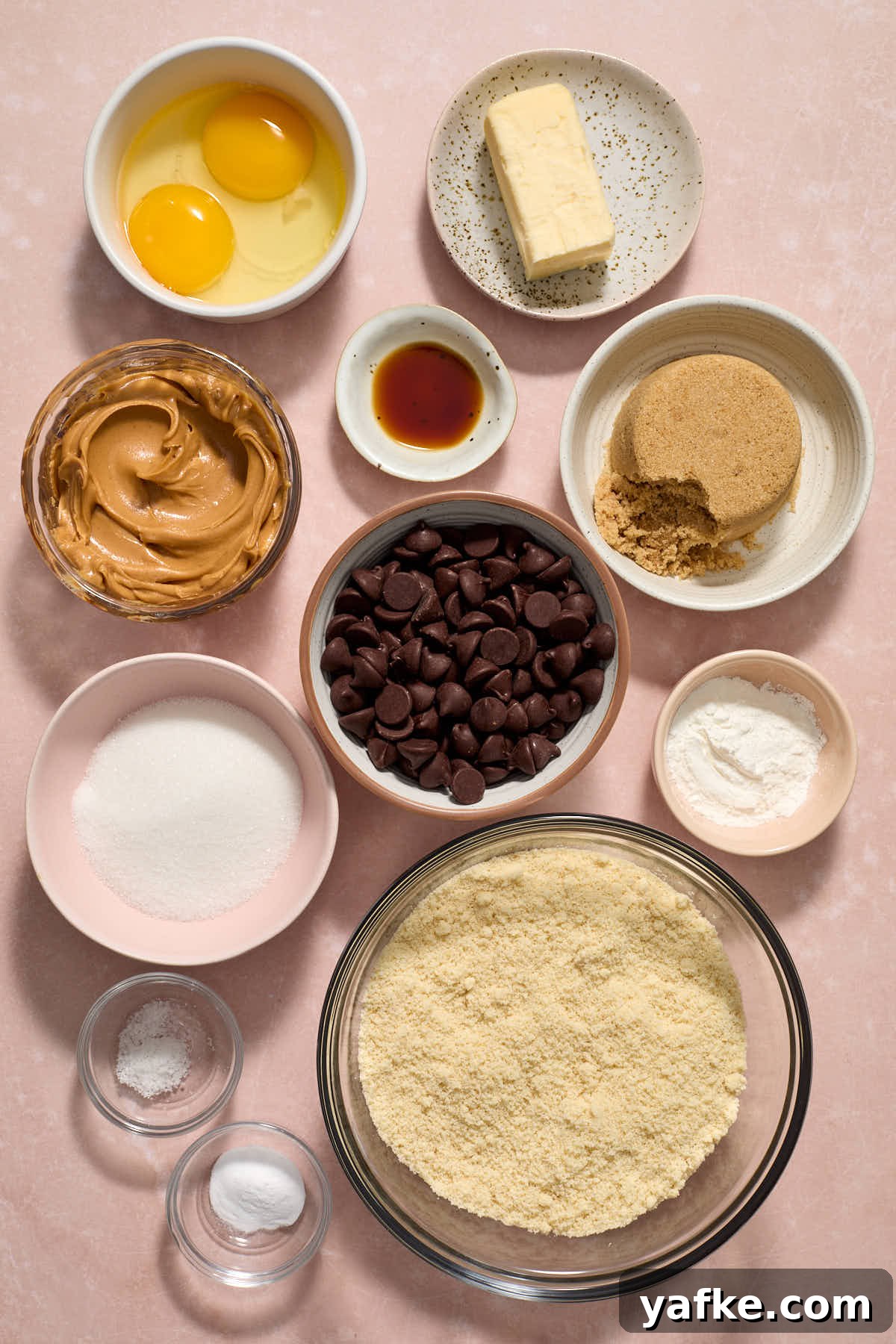
- Cornstarch – A tablespoon in the dry mix helps the cake stay soft and chewy while giving structure to almond flour.
- Peanut butter – Shelf-stable smooth peanut butter replaces some butter for a richer dough and helps create a thicker, more cohesive batter. Avoid natural, separation-prone peanut butter for this recipe.
- Extra egg yolk – Adding an extra yolk increases moisture and improves chew, producing a more tender center.
How to make the cookie cake (overview)
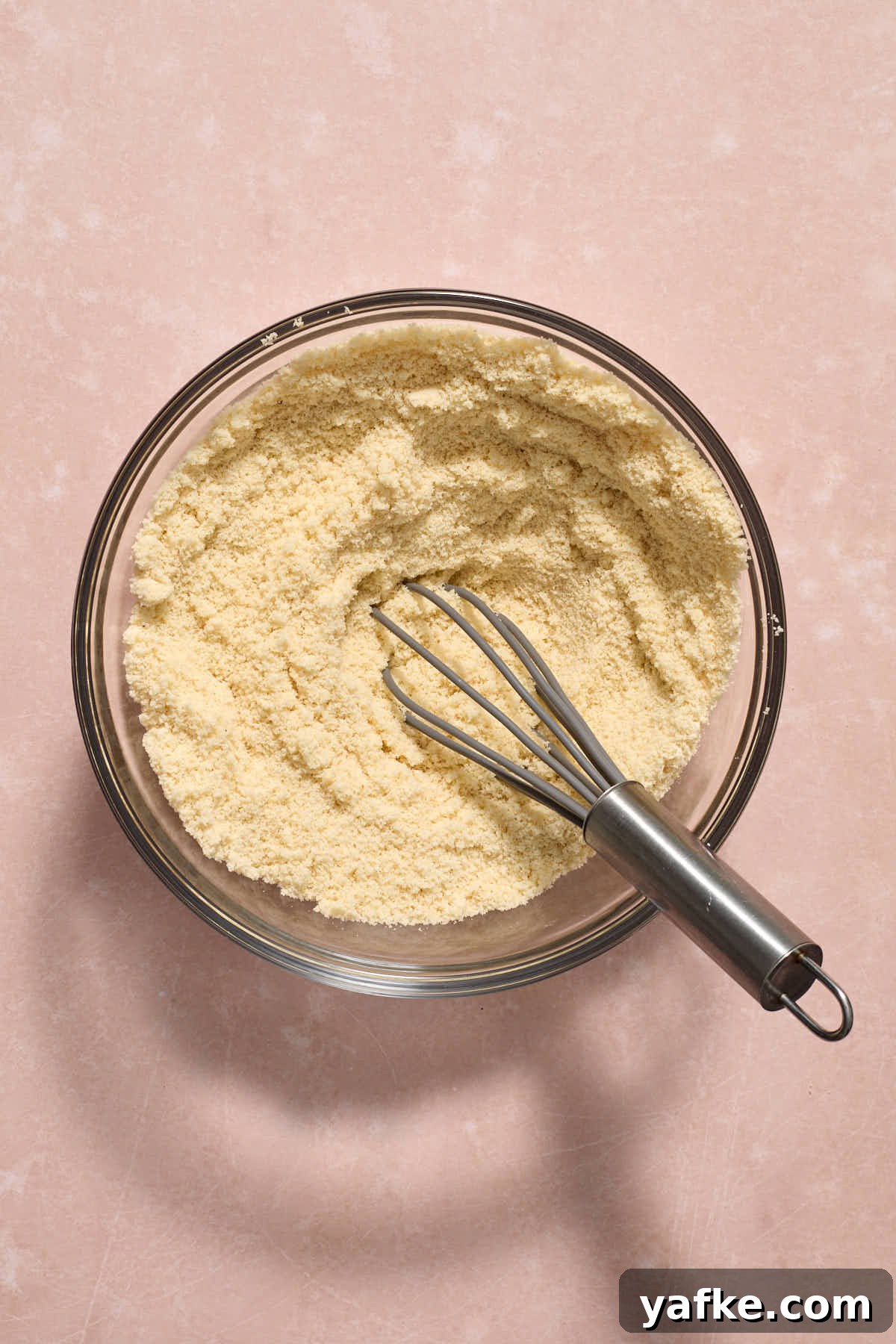
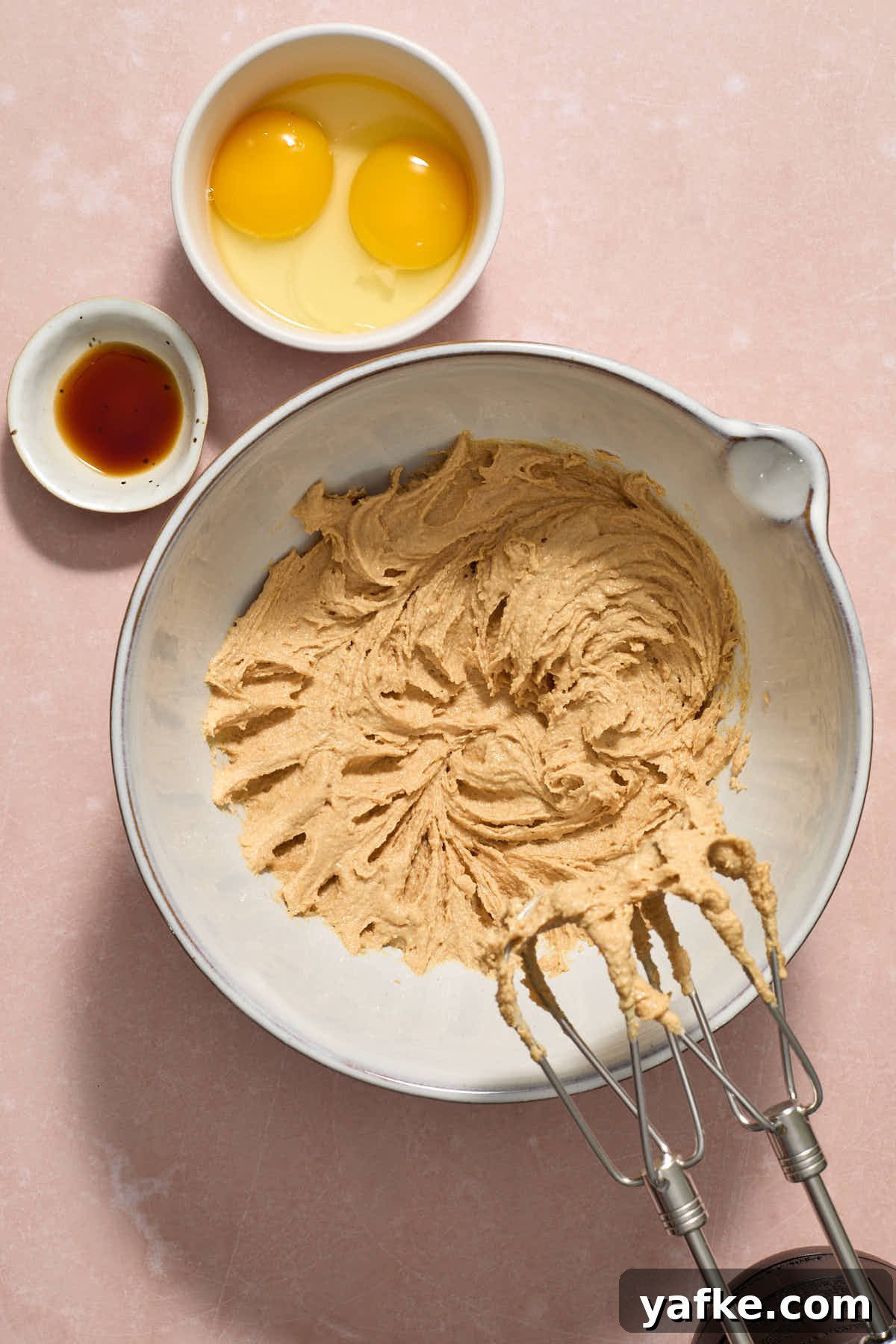
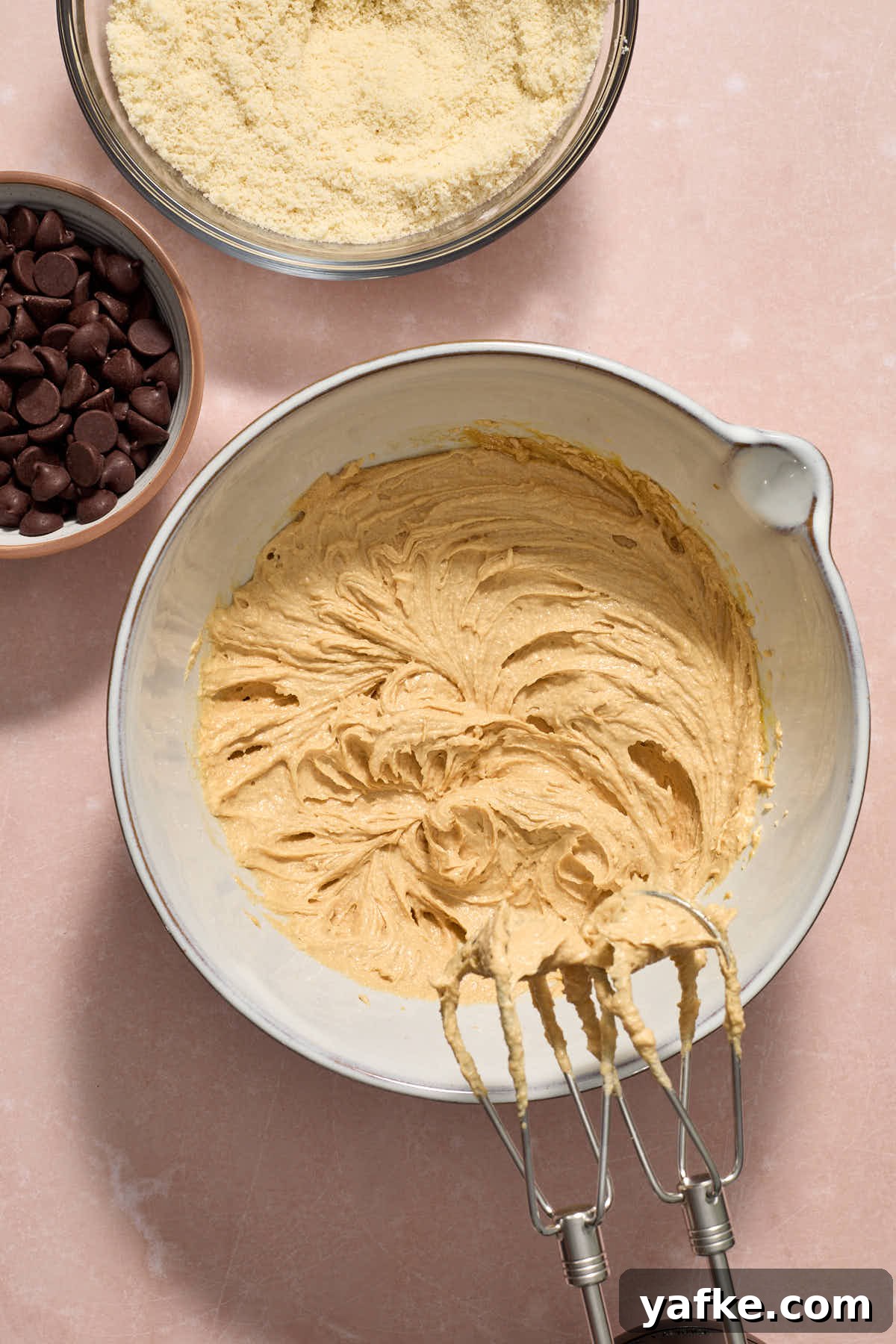
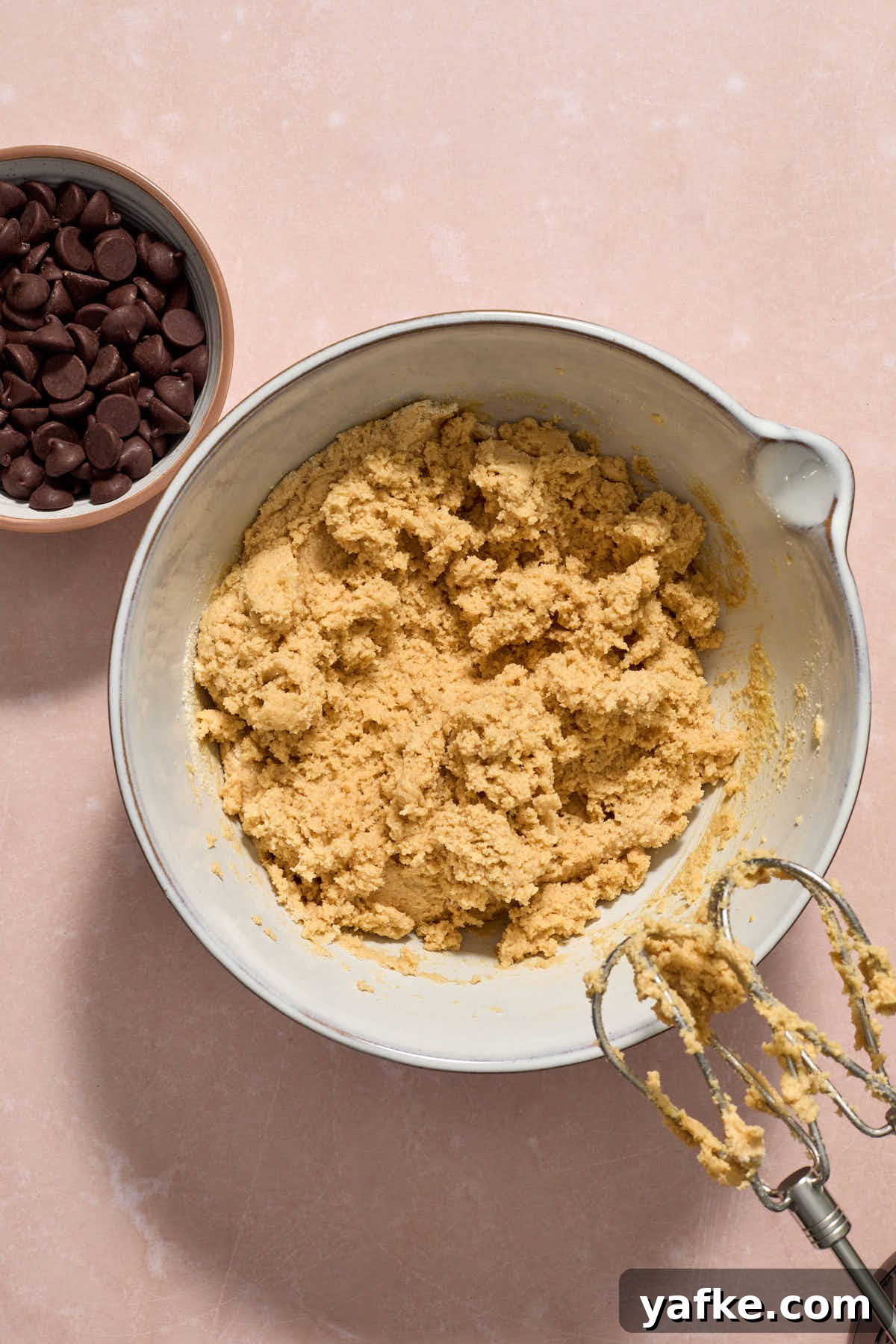
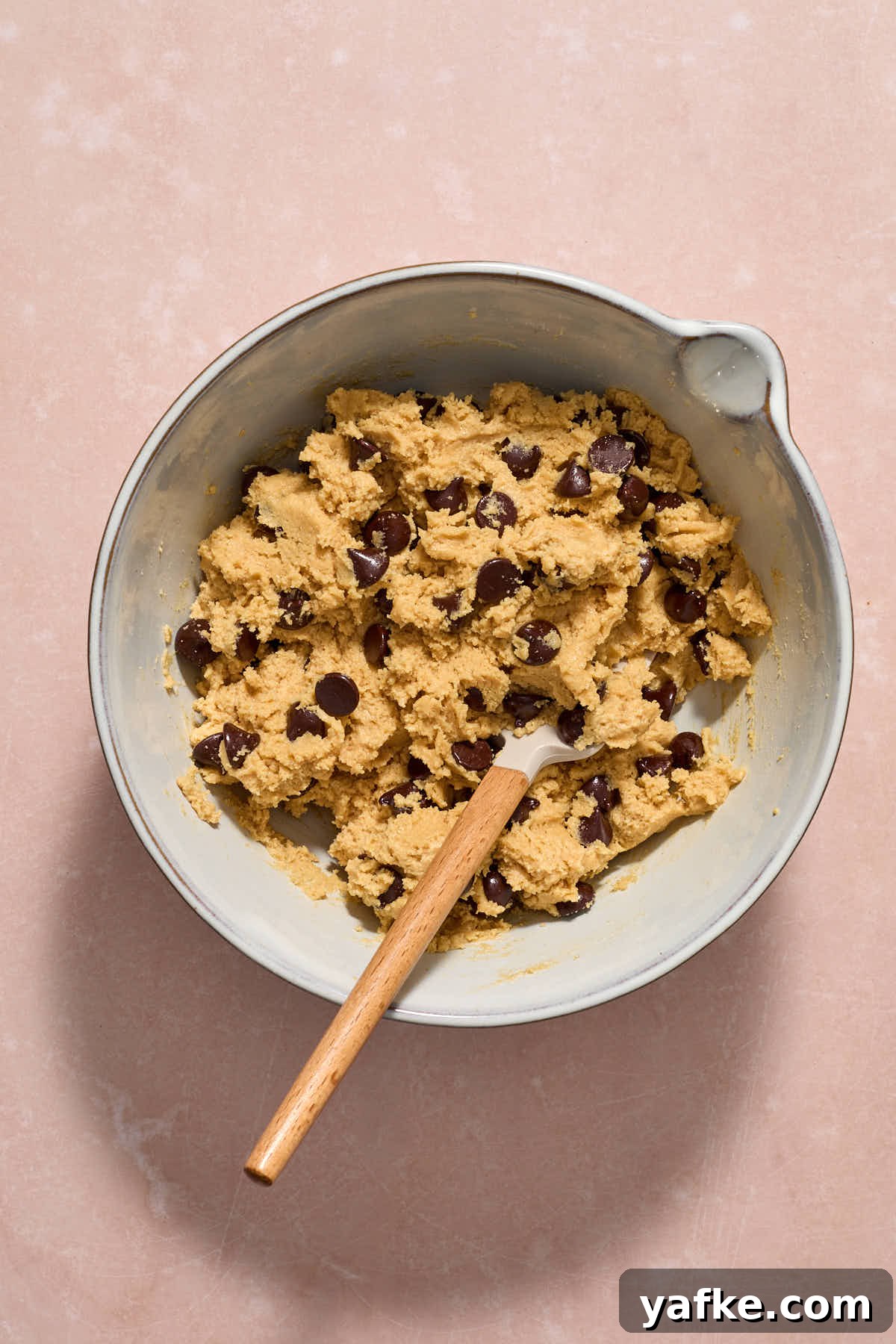
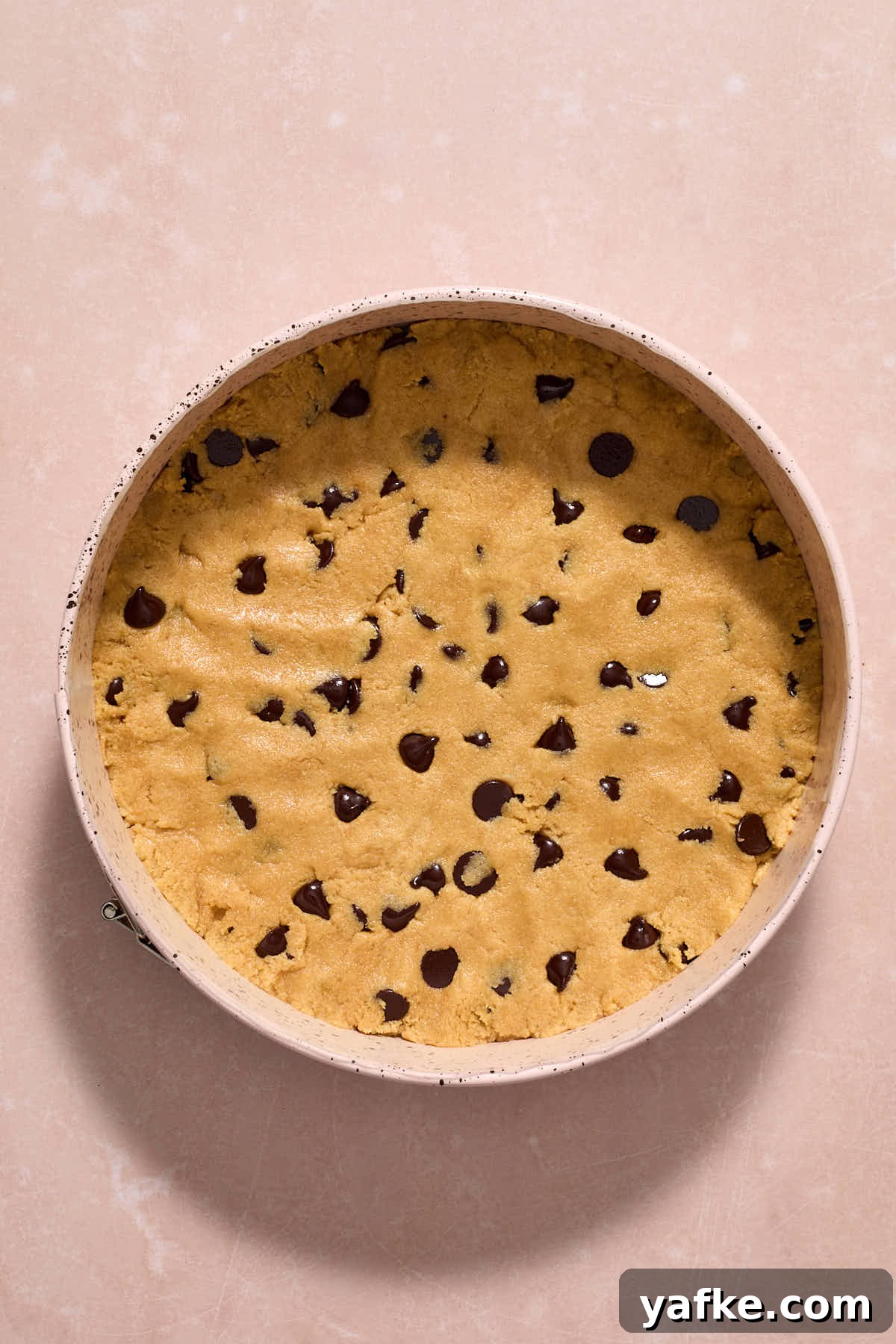
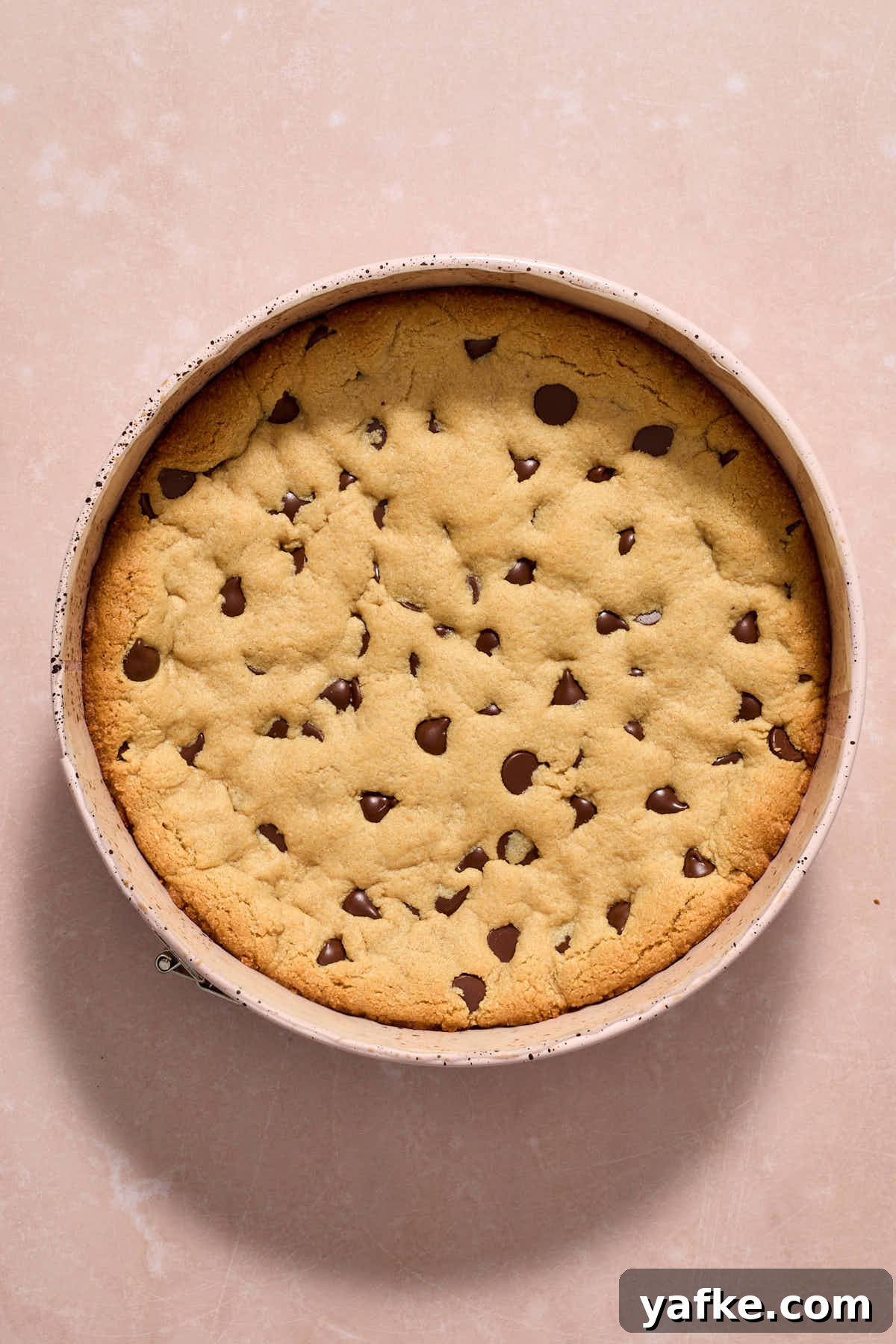
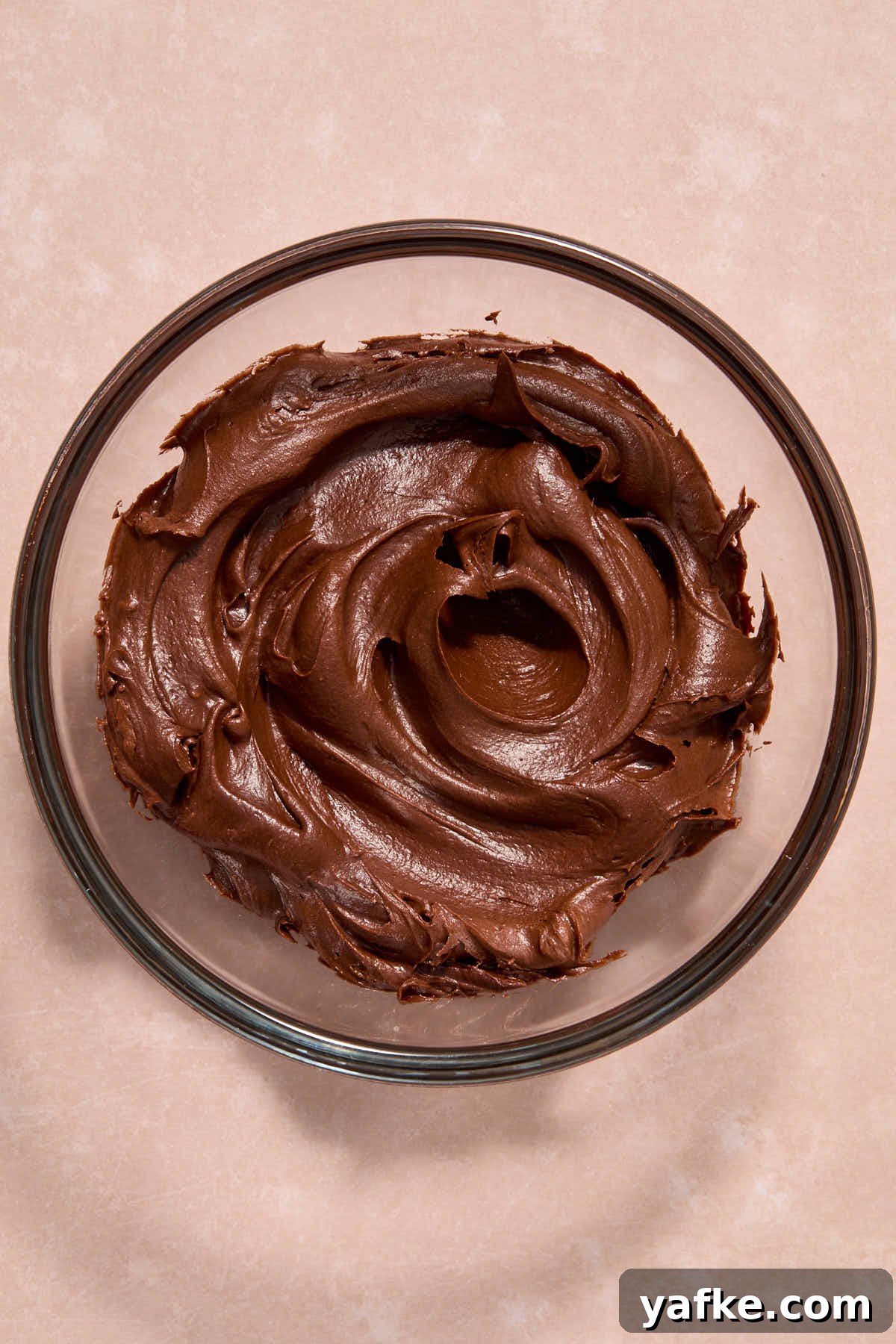
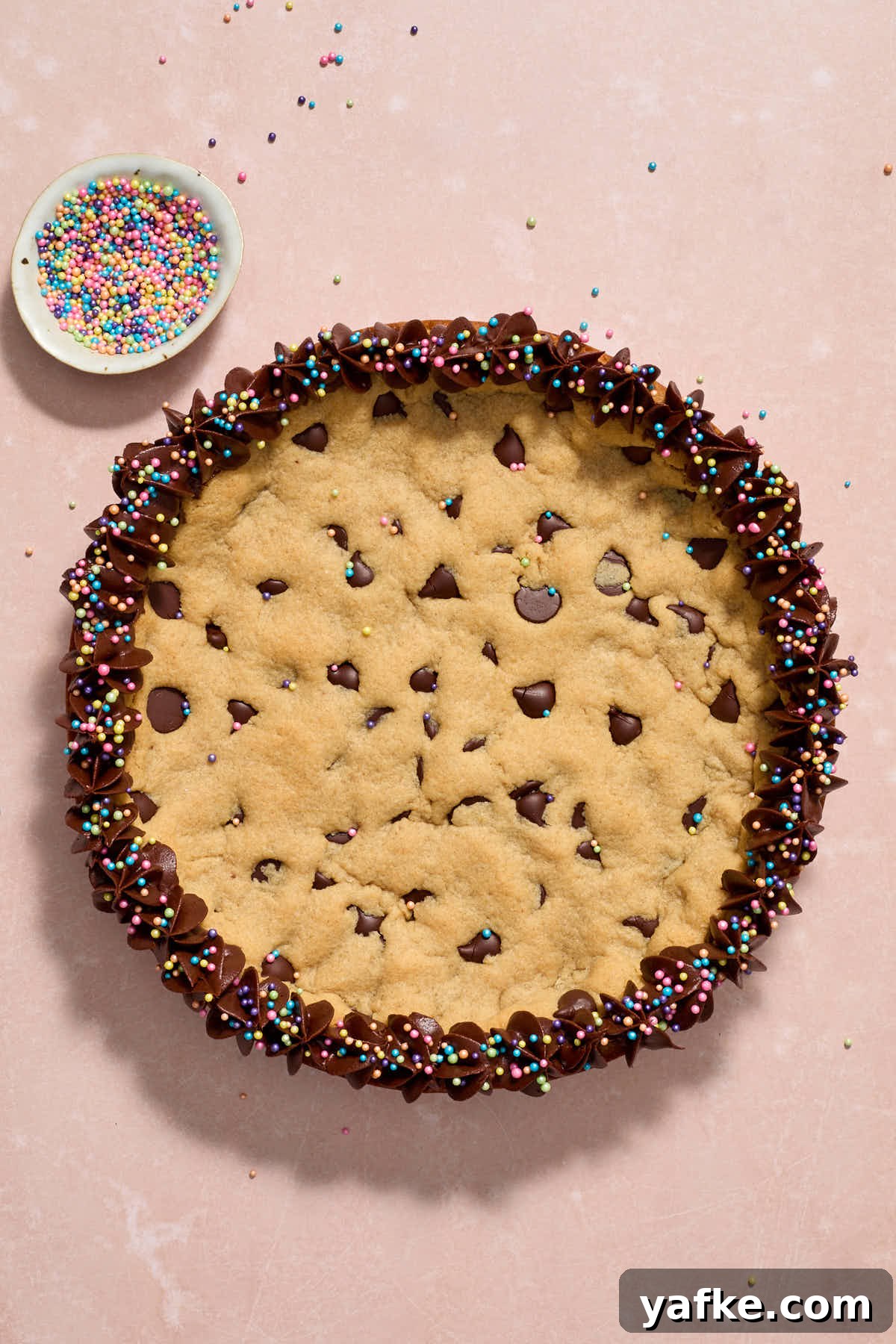
The steps are straightforward: mix dry ingredients, cream the peanut butter, butter and sugars, add the eggs and vanilla, fold in dry ingredients and chocolate chips, press into a lined 9-inch springform pan and bake. After cooling, frost the top and decorate. Below are process photos to guide you through the main stages.
Tips for the best almond flour cookie cake
- Use a springform pan. The removable sides make it easier to remove the cookie cake without damaging edges. Lining the bottom and sides with parchment prevents sticking and any over-browning.
- Don’t overbake. Bake until the edges are just turning golden but the center still looks slightly underbaked. Overbaking produces a dry, hard crust—aim for a tender, chewy center that will set as it cools.
- Cool completely before frosting. Almond flour bakes need time to firm up. Frosting a warm cake will cause it to melt and slide.
- Shelf-stable peanut butter only. Use regular creamy peanut butter (not natural, runny styles) for the right dough consistency.
Frosting and sprinkles
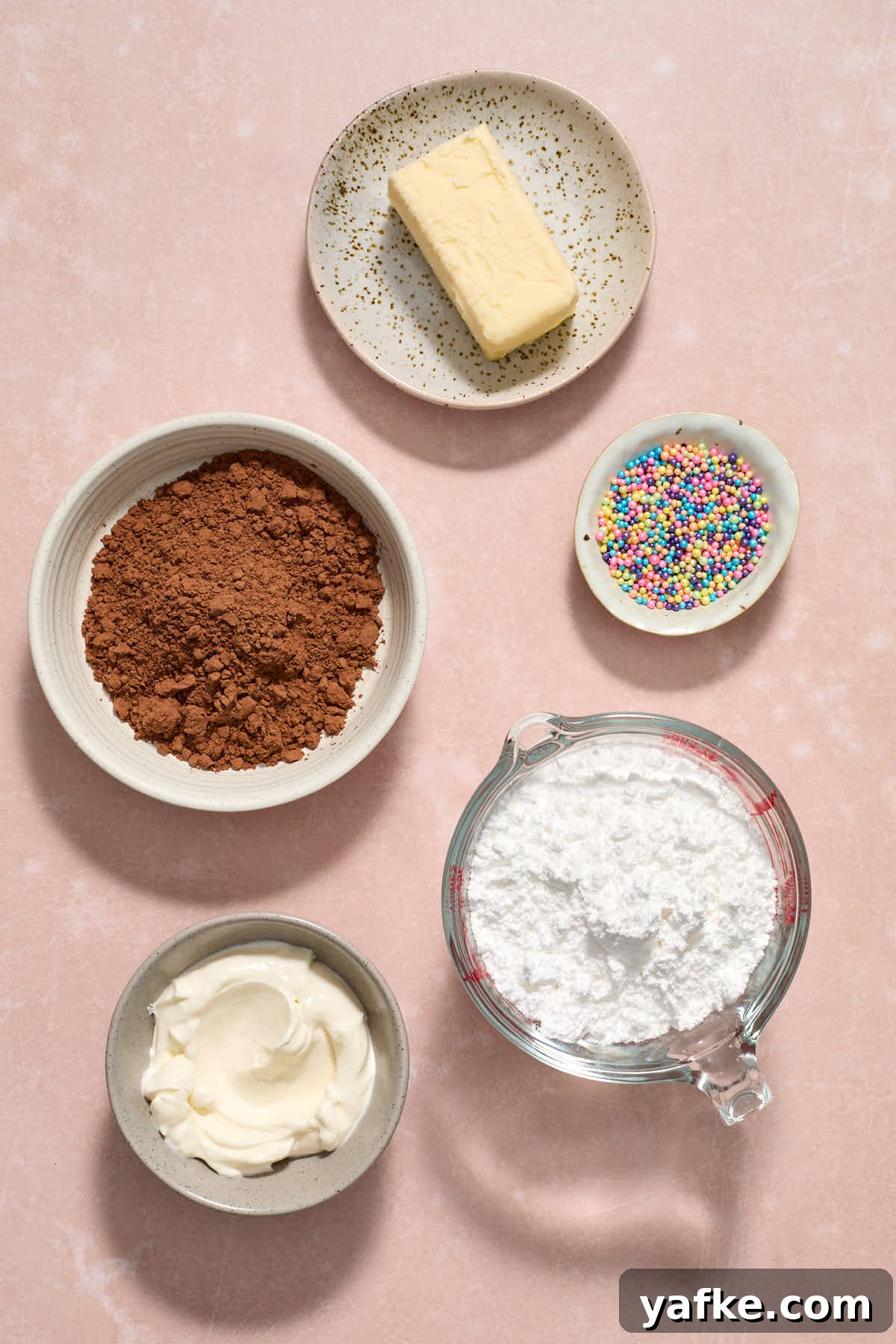
A chocolate sour cream frosting yields a fudgy, pipe-able finish that pairs nicely with the peanut butter cookie base. If you prefer, use a chocolate peanut butter buttercream or vanilla sour cream frosting—just be sure the frosting is stiff enough to pipe. You only need a small amount; the cookie cake is rich on its own.
Use any sprinkles you like—jimmies, confetti or nonpareils—and confirm they meet any dietary needs if you want to keep the cake gluten-free. Alternatively, serve the cookie cake unfrosted while still slightly warm for gooey chocolate chips; let it cool for about an hour to set first.
Measuring ingredients
Both volume and weight measurements are provided in the recipe. For accuracy, weigh your dry ingredients using a kitchen scale when gram measurements are listed. Use liquid measuring cups for milliliters and standard spoons for teaspoons and tablespoons.
📖 Recipe
This almond flour cookie cake is soft, chewy and full of peanut butter and dark chocolate. It’s finished with a chocolate frosting and sprinkles for a festive touch.
Prep Time: 20 minutes | Cook Time: 15 minutes | Total Time: 35 minutes
Servings: 10 slices | Author: Leanne Combden
Ingredients
For the cookie cake:
- 2 cups (208 g) fine blanched almond flour
- 1 tablespoon cornstarch
- ½ teaspoon baking soda
- ¼ teaspoon fine sea salt
- ½ cup (145 g) shelf-stable smooth peanut butter
- ¼ cup (56 g) unsalted butter, room temperature
- ½ cup (115 g) light brown sugar, packed
- ¼ cup (55 g) granulated sugar
- 1 large egg, room temperature
- 1 large egg yolk, room temperature
- 1 teaspoon vanilla extract
- 1 cup (170 g) dark chocolate chips
For the frosting:
- ¼ cup (56 g) unsalted butter, room temperature
- ¼ cup (63 g) full-fat sour cream, room temperature
- 1 cup (120 g) powdered sugar, sifted if lumpy
- ¼ cup (25 g) cocoa powder (natural or Dutch-processed)
- Sprinkles, optional
Instructions
- Preheat the oven to 350°F (175°C). Grease and line the sides and bottom of a 9-inch springform pan with parchment paper.
- In a medium bowl, whisk together almond flour, cornstarch, baking soda and salt.
- In a large bowl, cream the peanut butter, butter, brown sugar and granulated sugar with a mixer until light and fluffy, about 2–3 minutes. Scrape down the bowl as needed.
- Add the egg, egg yolk and vanilla; beat until combined.
- On low speed, gradually add the dry ingredients until just combined. Fold in the chocolate chips by hand.
- Press the dough evenly into the prepared pan.
- Bake 14–17 minutes, until the edges begin to brown. The center can look slightly underbaked—allow it to cool completely in the pan.
- To make the frosting, beat the butter and sour cream until creamy. Add cocoa and powdered sugar, mix on low to combine, then increase speed and beat until smooth. If frosting is too thick to pipe, thin with a little milk.
- Pipe or spread frosting around the edge, add sprinkles if desired, slice and serve.
Notes
- A 9-inch cake pan can be used, but a springform pan makes removal and serving easier.
- Do not overbake. Remove when edges set and golden but the center still looks slightly soft; it will firm while cooling.
- You can enjoy a slice warm (allow about an hour to set) or fully cooled and frosted. Store unfrosted at room temperature 3–4 days; frosted and refrigerated up to 5 days.
- To keep the dessert gluten-free, confirm sprinkles and any packaged ingredients are certified gluten-free.
Nutrition (per serving)
Calories: 531 kcal | Carbohydrates: 49 g | Protein: 11 g | Fat: 35 g | Saturated Fat: 14 g | Fiber: 5 g | Sugar: 37 g
Nutrition estimates vary by ingredient brands and substitutions.
If you try this recipe, leave a note about how it turned out—feedback helps refine the texture and flavor for future batches. Enjoy baking!