
A quick reminder before we begin: hand sanitizer is a useful tool, but it does not replace proper handwashing with soap and water when that option is available. Soap and water are more effective for thoroughly removing dirt and germs, so wash when you can.
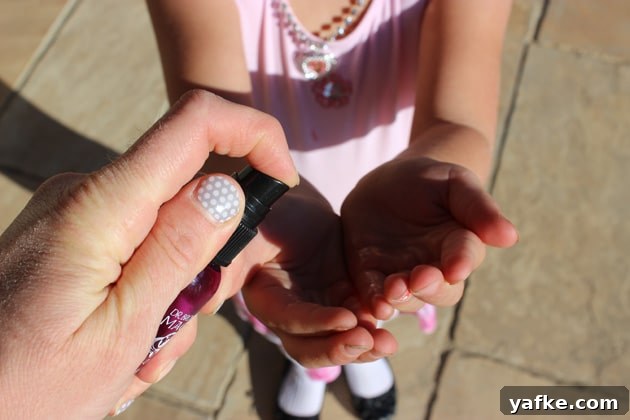
That said, hand sanitizer has been essential in many situations—especially when my kids were young. After grocery shopping, they would touch the cart, run their hands across the checkout conveyor belt, pick up things from the parking lot, or handle raw packages, then immediately ask for a snack. In those moments, a reliable hand sanitizer saved the day.
How to properly use hand sanitizer
To get the most benefit from an alcohol-based hand sanitizer, apply enough product to cover all surfaces of your hands and rub until your hands feel wet. For maximum effectiveness, allow the sanitizer to remain wet on the skin for about 10–15 seconds before touching food or other surfaces. A quick spray or single pump is often not enough—take a moment to rub and let it dry.
Other uses for hand sanitizer
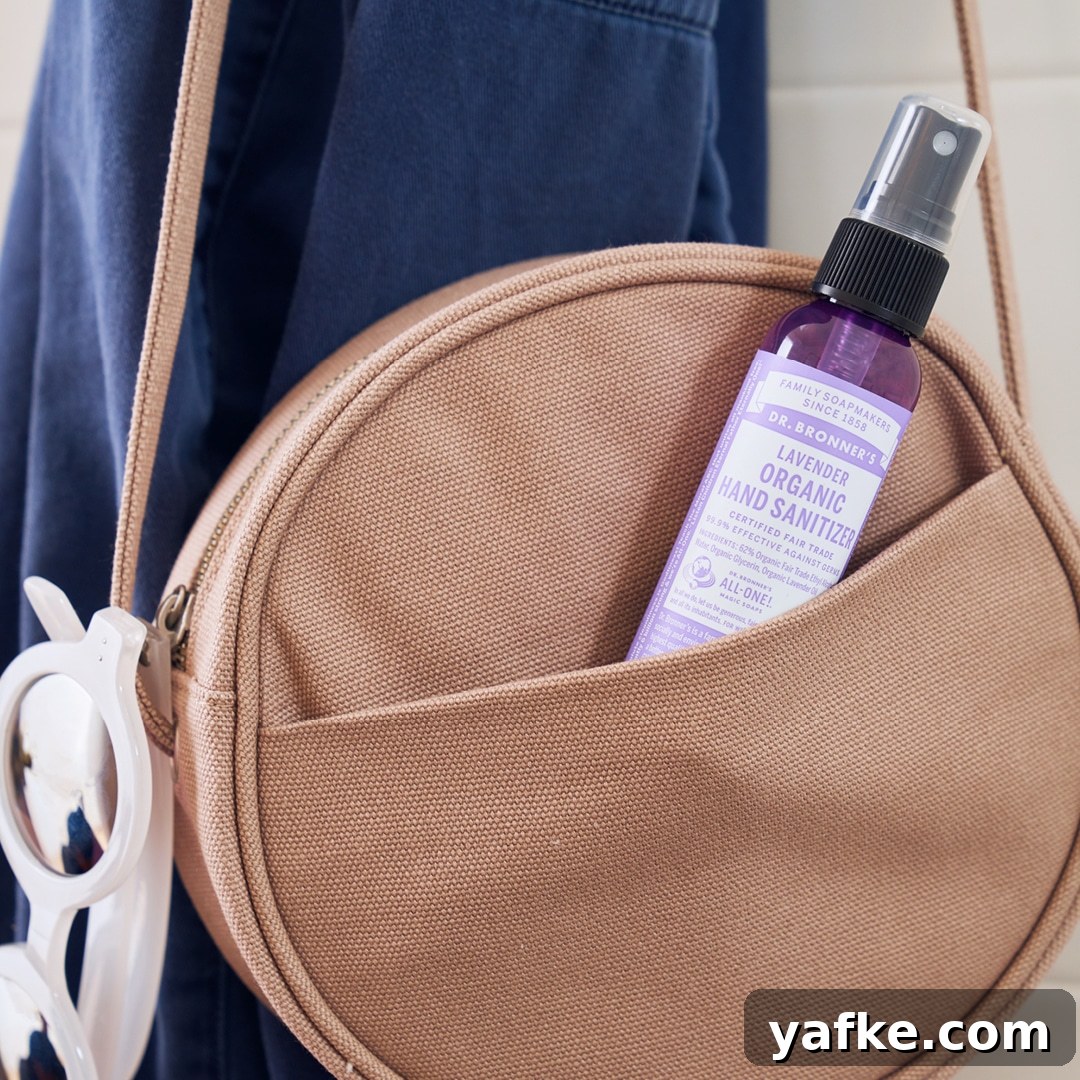
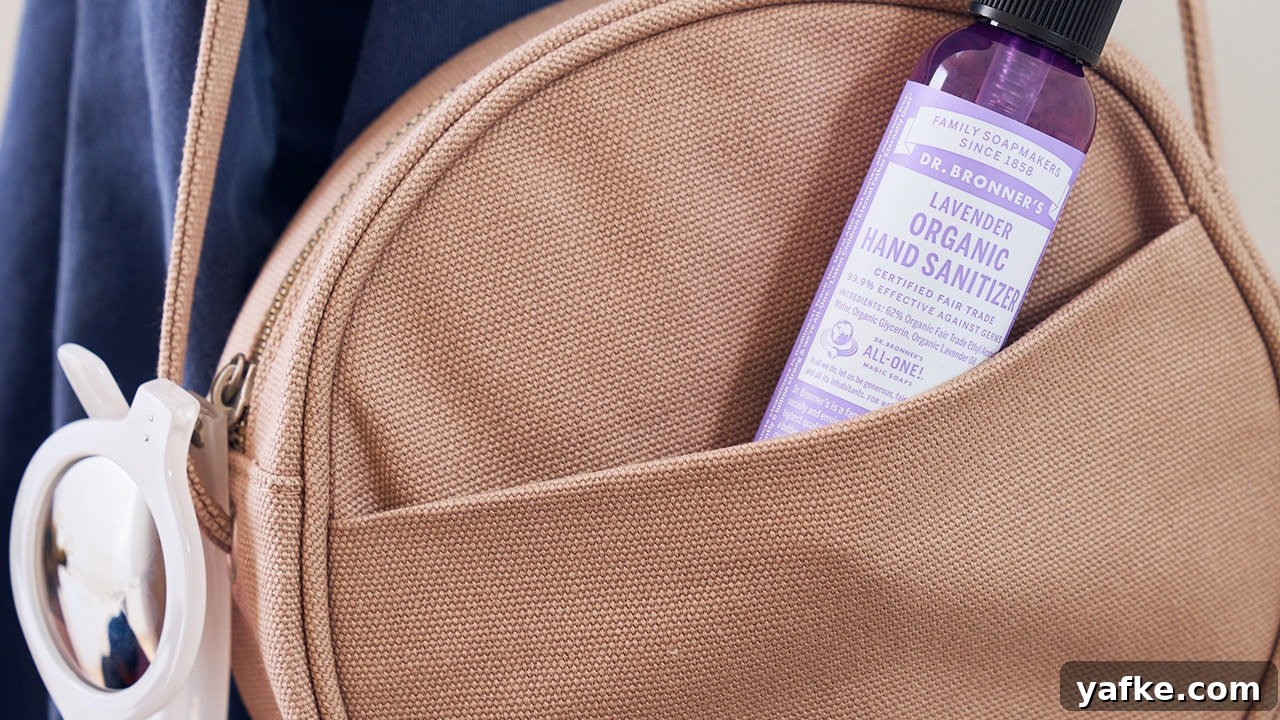
Beyond its primary role, hand sanitizer can be handy for small, on-the-go tasks. While it’s not cost-effective for heavy-duty cleaning around the house (for that, a larger bottle of rubbing alcohol or ethyl alcohol makes more sense), a travel-size sanitizer is useful in many situations. I’ve used Dr. Bronner’s Organic Hand Sanitizer for several quick fixes when I’m out and about:
- Cleaning eyeglasses in a pinch. Alcohol isn’t ideal for frequent use on lenses, but it can remove grime if you’re far from a cloth.
- Wiping down public surfaces that must be touched—shopping cart handles, airplane trays, steering wheels, changing tables, even toilet seats. It’s not the most economical approach, but it works when needed.
- Soothing a mosquito bite. A dab of alcohol can provide a quick cooling sensation and temporary relief.
- Removing sticky residue from hands or small items—useful for parents and anyone who deals with spills and sticky fingers.
- Cleaning phone screens carefully. Avoid spraying directly on electronics; spray a tissue lightly and then wipe the screen.
- As one friend suggested, some people use a small amount under the arms as a temporary deodorant—avoid applying it to freshly shaved skin.
Ingredients in Dr. Bronner’s hand sanitizers
Dr. Bronner’s hand sanitizers use a short ingredient list: organic ethanol, water, organic glycerin, and either organic lavender or peppermint essential oil. Aside from the water, these ingredients are certified under the National Organic Program (NOP).
Organic ethanol (62%) — Ethanol, also called ethyl alcohol, is the active antiseptic ingredient in many hand sanitizers. The organic ethanol in this product is derived from non-GMO cane sugar and meets NOP standards. Alcohol-based sanitizers are widely used because they rapidly reduce many types of germs on the skin.
Water — Water is included to moderate the alcohol’s drying effect on skin and to help the alcohol interact with microbes. It also helps the solution feel less harsh than pure alcohol.
Organic glycerin — Glycerin is a natural humectant that helps attract and retain moisture in the skin, counteracting alcohol’s drying effect.
Organic lavender essential oil — The essential oil serves as a denaturant to make the alcohol undrinkable and to meet regulatory requirements. Because of this need to denature, manufacturers include a harmless but unpleasant-tasting ingredient; for Dr. Bronner’s, that role is filled by an organic essential oil. The choice of denaturant balances safety, skin compatibility, cost, and customer preference.
A small bottle of sanitizer is a practical item for a diaper bag, stroller, or purse, and many people carry it long after their children are grown. For air travel, a 2 oz. bottle is small enough to fit within typical carry-on liquid limits.
Further reading
- How Hand Sanitizer Works & How to Use It
- Who Gave Soap a Bad Name
- Traveling with Hand Sanitizer
- Handwashing How-To and How-Not-To