
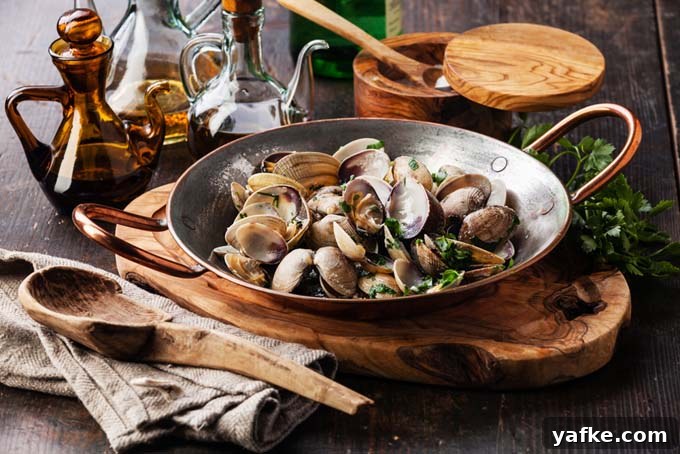
If you love seafood but haven’t tried cooking clams at home, the idea can feel a little daunting. Clams and other bivalves do hold relatively small amounts of meat within their shells, but harvesting and preparing them is straightforward, rewarding and more fun when shared with family or friends. Once you taste the results, you’ll appreciate the effort.
This guide covers where to buy clams and other shellfish, how to store and prepare them safely, how to shuck clams and oysters, and five easy ways to cook them: steaming, grilling, baking, a backyard clambake, and adding them to a hearty bouillabaisse. Follow these tips and you’ll be making impressive shellfish dishes at home in no time.
Where to Buy and How to Shop
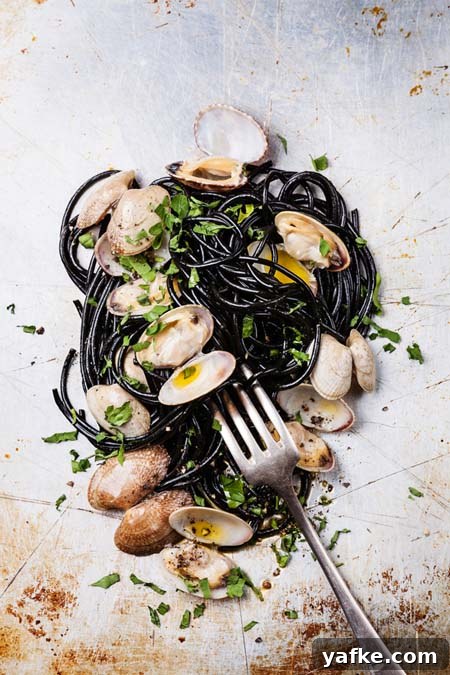
When buying clams, oysters and mussels, purchase from a reputable fishmonger and ask for the freshest shellfish available that day. Fresh shellfish should smell clean and like the ocean — not strongly “fishy.” The shells should be tightly closed or only slightly ajar; any that remain open after a light tap should be discarded.
Look for local tags or certification that indicate the shellfish were harvested from regulated waters. If you plan to gather your own shellfish, always check with local fishery or environmental authorities to confirm the harvesting area is safe and legal.
How to Store
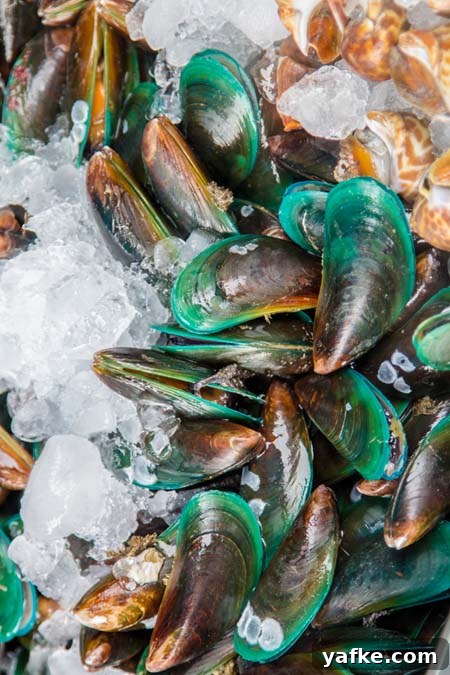
Fresh shellfish are alive and need to breathe. Do not seal them in an airtight plastic bag; that will smother them. Instead, place shellfish in a bowl or container with plenty of crushed ice and cover with a damp, clean towel. Keep the bowl in the coldest part of your refrigerator, drain meltwater as needed, and use the shellfish within a day or two for best quality.
How to Prepare
Before cooking, purge clams of sand by soaking them for 15–30 minutes in a bucket of clean seawater or a weak brine made with non-iodized salt (about 1/3 cup salt per gallon of water). Then scrub the shells vigorously under cold running water with a stiff brush. Remove any barnacles and the byssal “beard” of mussels. Discard any shellfish that stay open after tapping; they are not safe to eat.
How to Shuck
Shucking is quick to learn and lets you use fresh clam and oyster meat for chowders, pastas and other dishes. You can buy pre-shucked meat, but shucking at home is satisfying and keeps flavors bright.
Clams
- Place clams on a baking sheet and chill in the freezer for 5–10 minutes to help loosen the meat from the shell.
- Hold a clam with the hinge in your palm. Work the tip of an oyster knife or a dull, sturdy knife between the shells and slide it around to cut through the hinge and open the shell.
- Slip the blade between meat and shell to free the clam. Reserve any clam liquor for sauces or broth.
Oysters
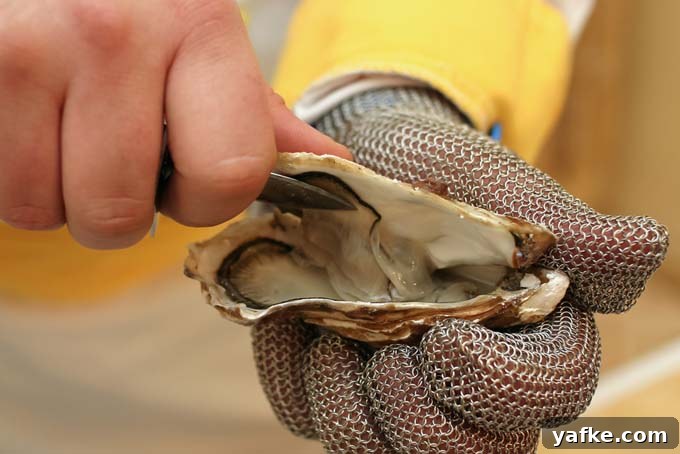
Oysters require a little more finesse and the right tools: an oyster knife and either a tea towel or a shucking glove. Work on a flat, non-slip surface with the oyster flat-side up and the hinge exposed. Slide the knife tip into the hinge, apply steady pressure while wiggling and twisting until the top shell pops. Keep the shell level to retain the oyster liquor, then cut the muscle to free the oyster and serve raw on crushed ice or use in a cooked recipe.
How to Steam
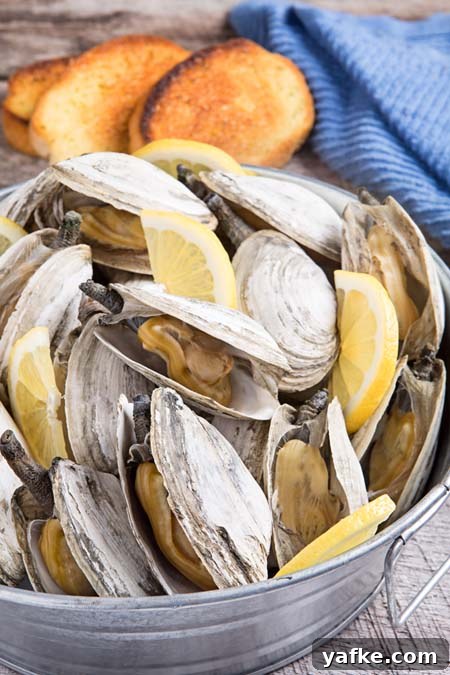
Steaming is one of the simplest and most reliable techniques for cooking clams, mussels and oysters.
- After purging and scrubbing, discard any that remain open.
- Place clams in a large pot or steaming kettle with about ½ cup water per pound of shellfish. For extra flavor, replace some water with white wine and add garlic, bay leaves, parsley, thyme and lemon juice to the liquid.
- Bring to a rolling boil, cover, and steam for 2–10 minutes depending on species and size. Remove shellfish as they open and discard any that never open.
How to Grill
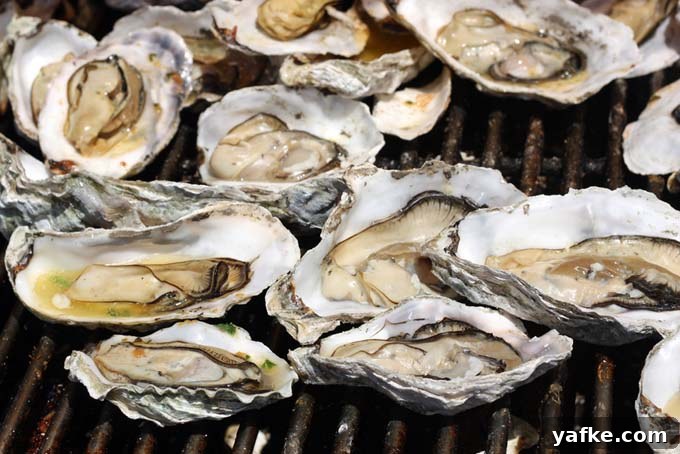
Grilling shellfish is quick and flavorful. Clean and rinse shellfish, then place them directly on a medium-high preheated grill. For oysters, position the round bottom shell on the grate, close the lid and grill 5–8 minutes or until shells pop open. Remove with tongs and finish with an herb or lemon butter.
Herbed Lemon Butter (simple)
- 1 stick unsalted butter, softened
- 1 tbsp minced parsley
- 1 tbsp minced fresh dill
- 1 tbsp minced green onion (white and part of greens)
- 1 tbsp fresh lemon juice
- Sea salt and freshly ground black pepper, to taste
Beat the ingredients together until combined and chill until use. This compound butter is great on grilled oysters, clams or mussels.
Baked Clams
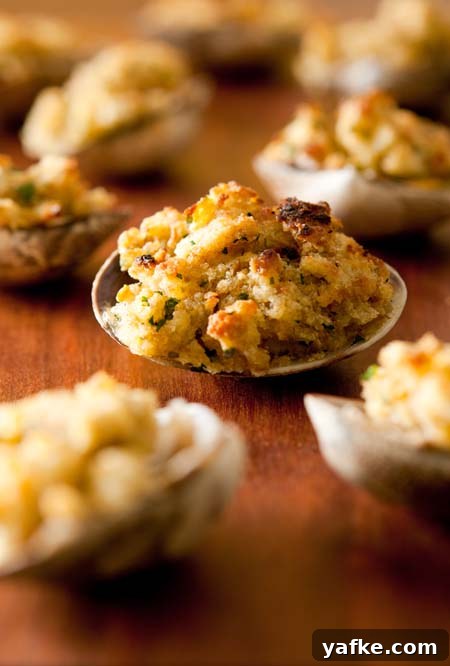
Baked clams can be stuffed with breadcrumbs, herbs and cheese for a rich, savory appetizer or pasta topping.
- Preheat oven to 350°F and prepare a baking sheet.
- Soak clams in water with a cup of cornmeal and 2 tablespoons salt to help purge and loosen shells while you prepare stuffing.
- Mix stuffing ingredients until moist enough to hold shape. Open clams, fill shells with stuffing and place on the baking sheet.
- Bake 10–14 minutes until stuffing is golden and clams are cooked through. Serve immediately.
The Classic Clambake
A classic clambake is an easy crowd-pleaser that you can make on a grill or in a large roaster. Layer seaweed (optional), potatoes and sausage in the bottom, add liquid (beer or white wine and water), then steam the shellfish and corn in the broth for a communal feast.
Typical Ingredients
- New potatoes, quartered
- Spicy sausage, sliced
- Corn on the cob, broken into pieces
- Littleneck and steamer clams, plus large prawns
- Lemons, garlic, fresh herbs, bay leaves, salt and black pepper
- White wine or beer and water
- Butter and crusty bread for serving
Basic Method
- Place seaweed (optional) in the bottom of a roaster, add liquids, potatoes and sausage, and cover. Bring to a boil over medium-high heat on the grill or stovetop.
- Add clams, lemons, garlic and herbs, cover and cook 10–15 minutes.
- Add prawns and corn, cover and cook until all shellfish are open and cooked through.
- Serve in bowls with plenty of broth, herbed butter and crusty bread for dipping.

Bouillabaisse
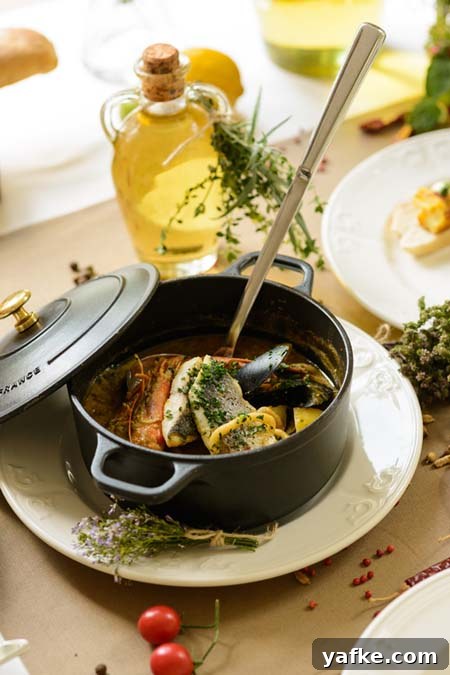
Bouillabaisse is a rich, Provençal seafood stew that welcomes clams alongside fish, mussels, prawns and sometimes lobster. The recipe is flexible: use what’s available locally and build a broth from tomatoes, fennel, onions, garlic, saffron (if available), white wine and fish stock. Add clams near the end so they open in the simmering broth and contribute their flavor.
Conclusion
Cooking clams, oysters and mussels at home is simpler than it seems. With a few safety checks, some basic equipment, and a handful of well-chosen techniques — shucking, steaming, grilling, baking or stewing — you can enjoy fresh, restaurant-quality shellfish at home. Try one method this week and discover how easy and delicious shellfish can be.