
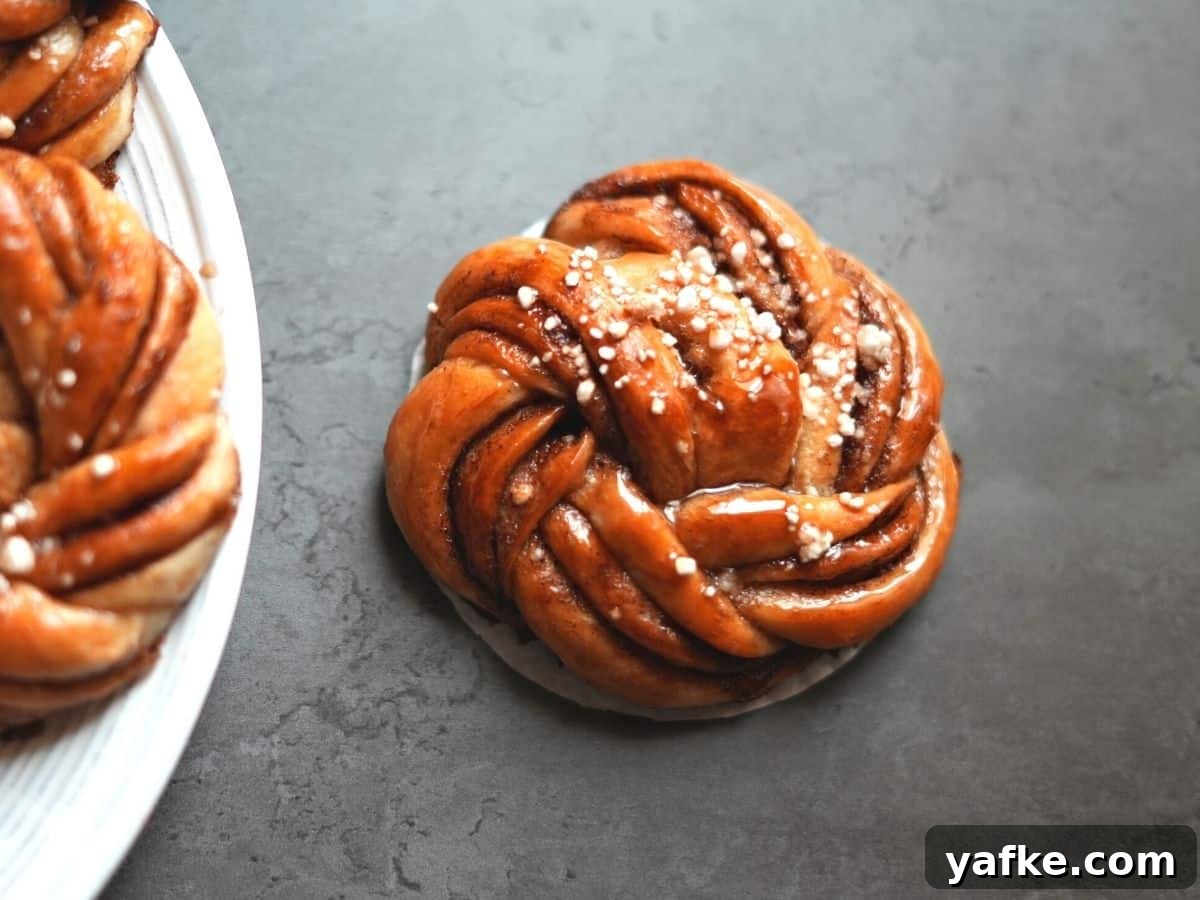
Swedish cinnamon buns, or kanelbullar, are layered yeast buns with soft, fluffy bread and a fragrant buttery filling. Lightly crisp on the outside and tender inside, they make a comforting treat for breakfast, snack time or dessert.
Why you’ll love this Swedish cinnamon buns recipe
This recipe produces classic kanelbullar that are soft and airy, richly scented with cinnamon and cardamom, and easy to make using straightforward steps. The method focuses on a simple dough, a spiced brown sugar filling, and a shaping technique that creates the characteristic swirled layers and caramelized edges.
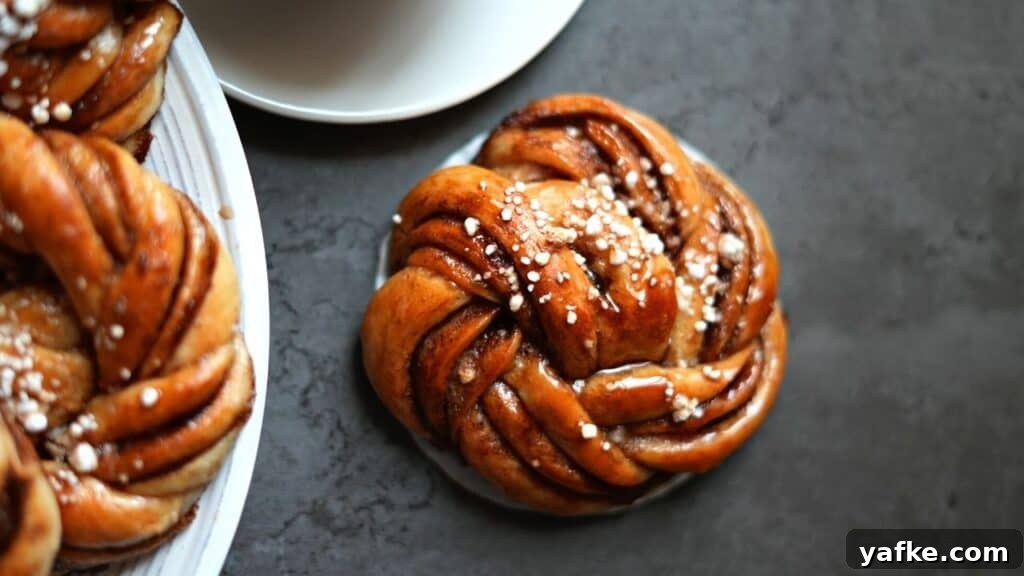
What you get with this recipe:
- Soft, airy interior with a lightly crisp crust
- Warm, comforting flavors of cinnamon and cardamom
- Beautiful swirly shapes with multiple layers
- Golden, caramelized tops and bottoms
What makes Swedish cinnamon buns different from American cinnamon rolls
Swedish kanelbullar are very similar to American cinnamon rolls, but there are a few key differences:
- Cardamom is commonly added to the dough or filling, giving a distinct Scandinavian aroma.
- Kanelbullar are usually served without icing or cream cheese frosting.
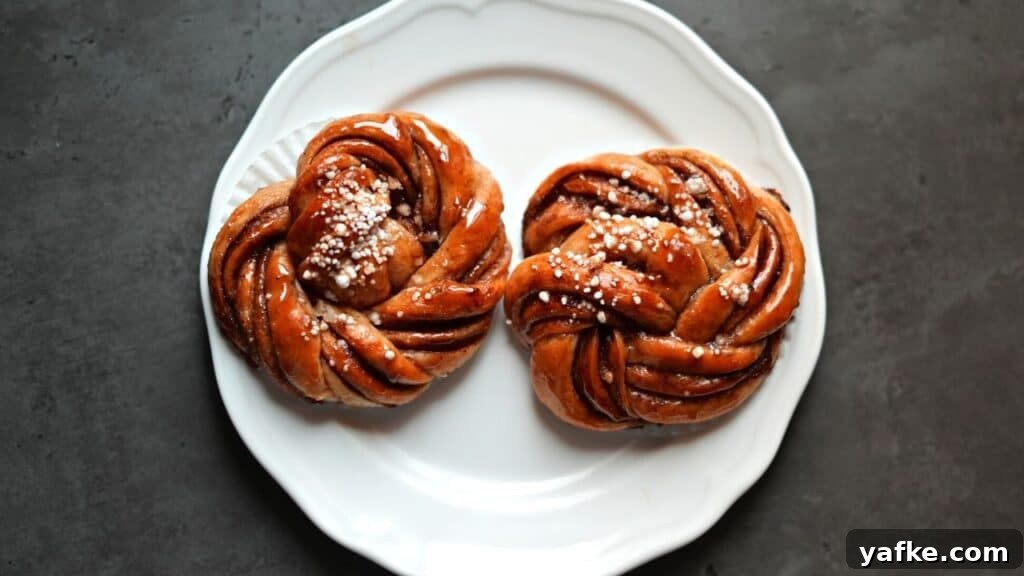
- Pearl sugar is a traditional topping instead of glaze; granulated sugar can be used as a substitute.
Ingredients
For the bread dough
- All-purpose or bread flour: 3 cups (loosely packed) / 390 g
- Warm milk: ½ cup / 120 ml (or replace with water)
- Warm water: ½ cup / 120 ml
- Unsalted butter, softened: ¼ cup / 57 g
- Sugar: 2½ tablespoons / 32 g
- Salt: 1 teaspoon / 6 g
- Yeast (instant or active dry): 1 teaspoon / 3 g
For the filling
- Soft brown sugar, packed: ½ cup / 90 g
- Unsalted butter, softened: ¼ cup / 57 g
- Cinnamon powder: 2 teaspoons / 5 g
- Cardamom powder: ½ teaspoon / 2 g
For the glaze (optional)
- Water: ¼ cup / 60 ml
- Sugar (brown or white): 5 tablespoons / 60 g
Method — how to make Swedish cinnamon buns
The process breaks down into four simple stages: make the dough, roll and fill, shape the buns, proof and bake.
1. Prepare the bread dough
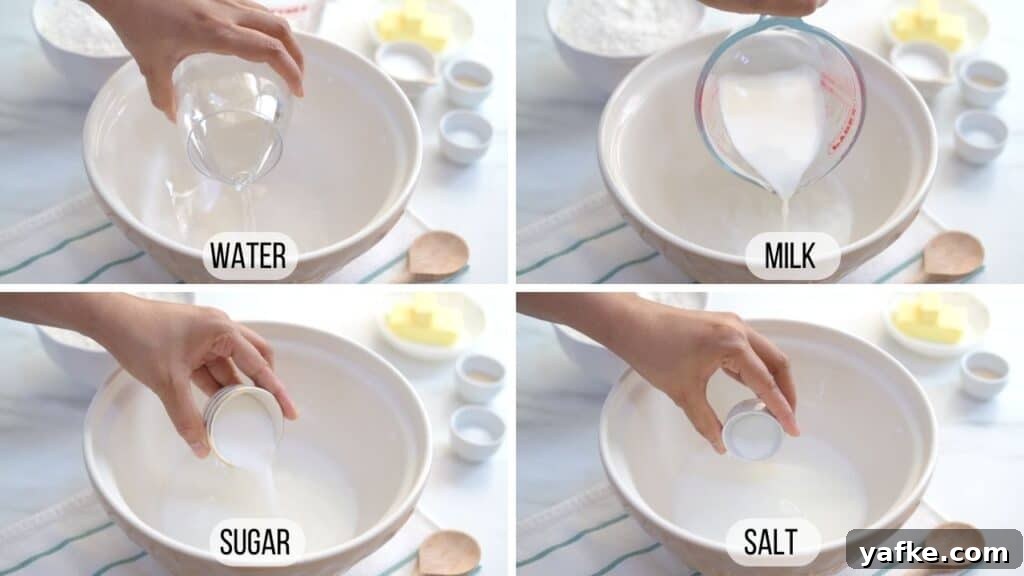
Combine warm milk and warm water with sugar, salt, yeast and the softened butter. The liquid should be pleasantly warm (around 100°F / 38°C) — warm enough to activate yeast but not hot. If using active dry yeast, allow it to become slightly foamy before adding flour.
Add the flour and mix to form a shaggy dough. Knead by hand on a floured surface for 6–8 minutes or use a stand mixer with a dough hook until the dough is smooth and soft. The dough may feel tacky at first; resist adding lots of extra flour — it will come together with a few minutes of kneading.
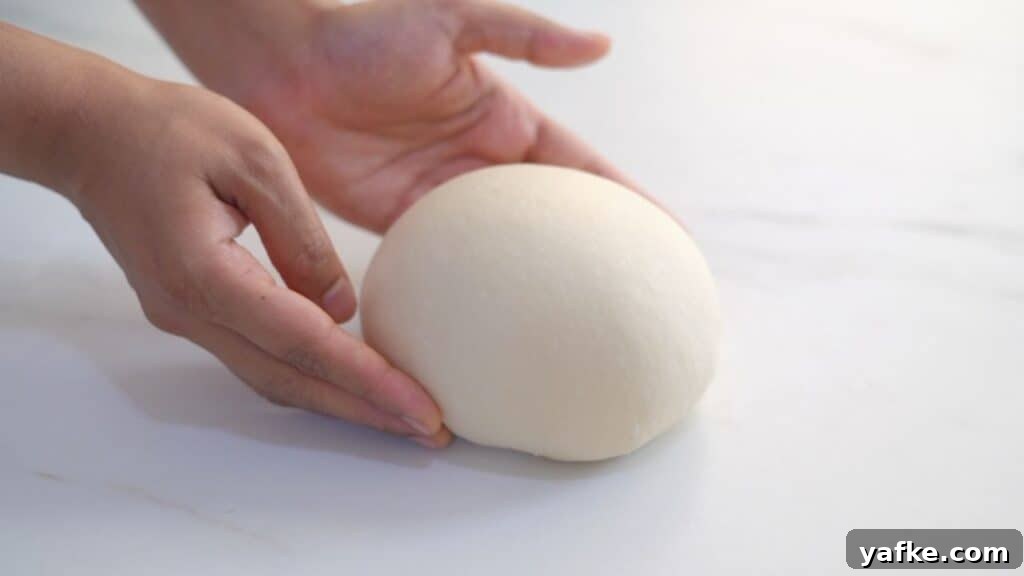
Shape the dough into a ball, flatten it slightly into a disc, cover with a bowl or towel, and let it rest for about 30 minutes. This short rest relaxes the gluten and makes rolling easier.
2. Divide and shape the buns
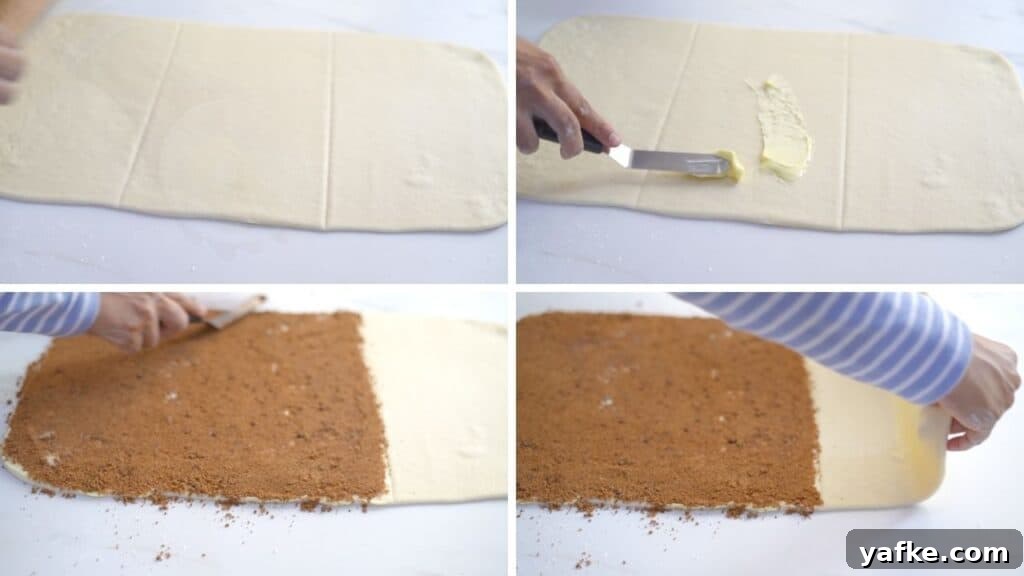
Roll the rested dough into a rectangle about 50–55 cm by 25–30 cm and roughly 1/4 inch thick. Mark the rectangle into thirds lengthwise as a guide.
Spread softened butter over two-thirds of the surface. Mix the brown sugar, cinnamon and cardamom, then sprinkle that filling evenly over the buttered area.
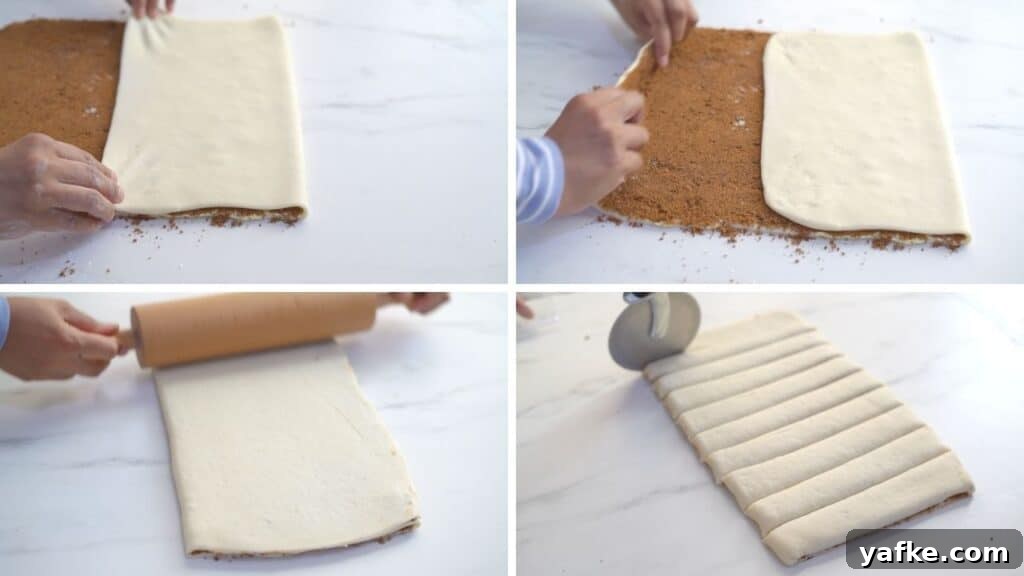
Fold the dough in thirds like a closed letter so the filling is layered inside. Trim to make the edges even, then cut the folded dough into strips about 3 cm wide (the recipe usually yields around 10 strips). For each strip, cut almost all the way through lengthwise, leaving one end joined.
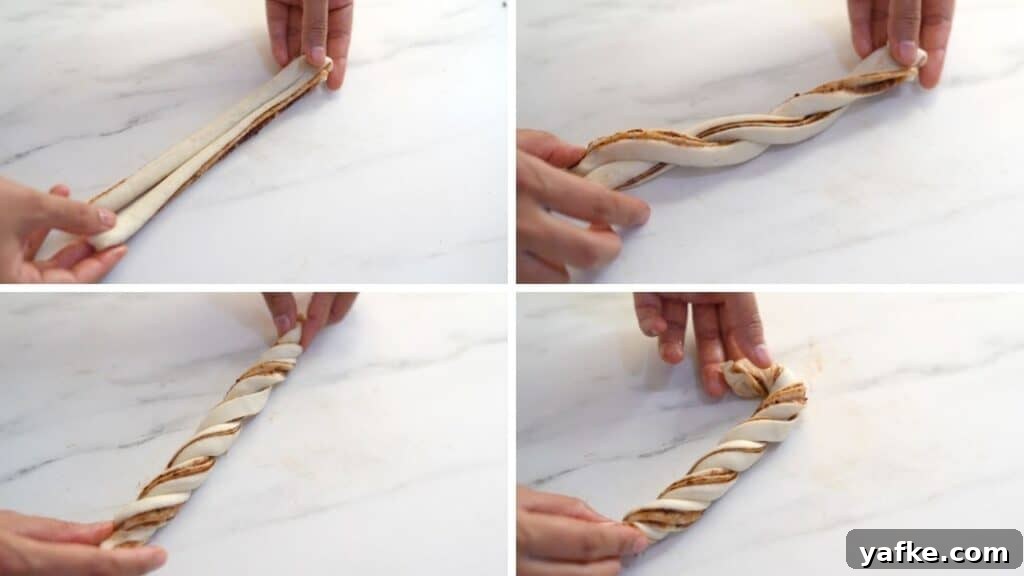
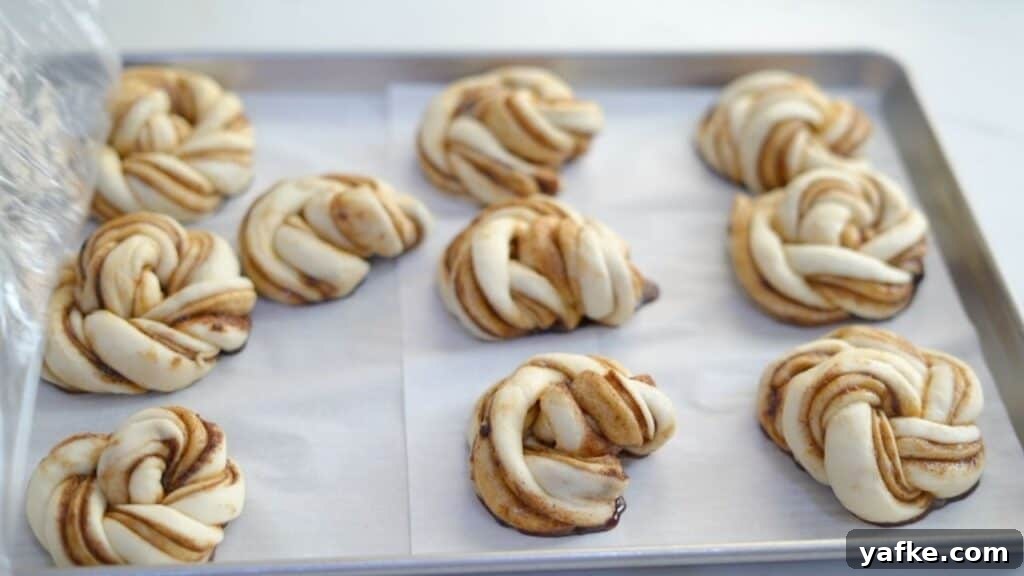
To shape each bun, hold one end of a strip, twist both halves slightly and then twirl them into a loose knot — not too tight, or they won’t have room to expand. Pinch the ends together so they don’t unwind while baking.
Place the shaped buns on a parchment-lined baking tray, leaving room for expansion.
3. Proof the buns
Cover the tray loosely with plastic wrap and let the buns rise until puffy, about 60 minutes. In a cool kitchen this may take up to 90 minutes. They should look noticeably fuller and spring back slowly when gently pressed.
4. Bake and finish
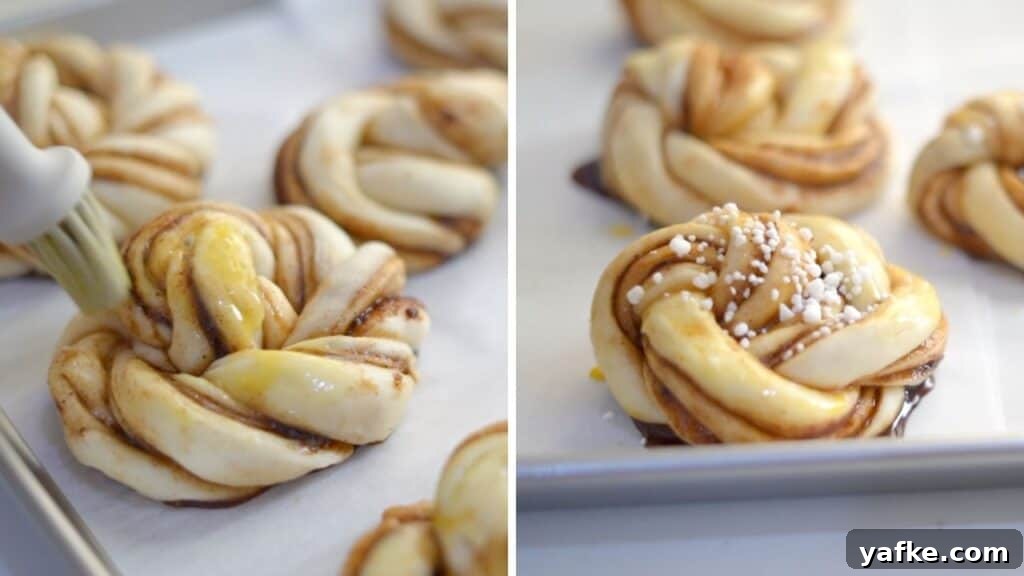
Brush the tops with beaten egg and sprinkle with pearl sugar or granulated sugar if you prefer. Bake in a hot oven at 420°F / 215°C for 14–16 minutes until golden brown. High temperature and a shorter bake help keep the interior soft and fluffy.
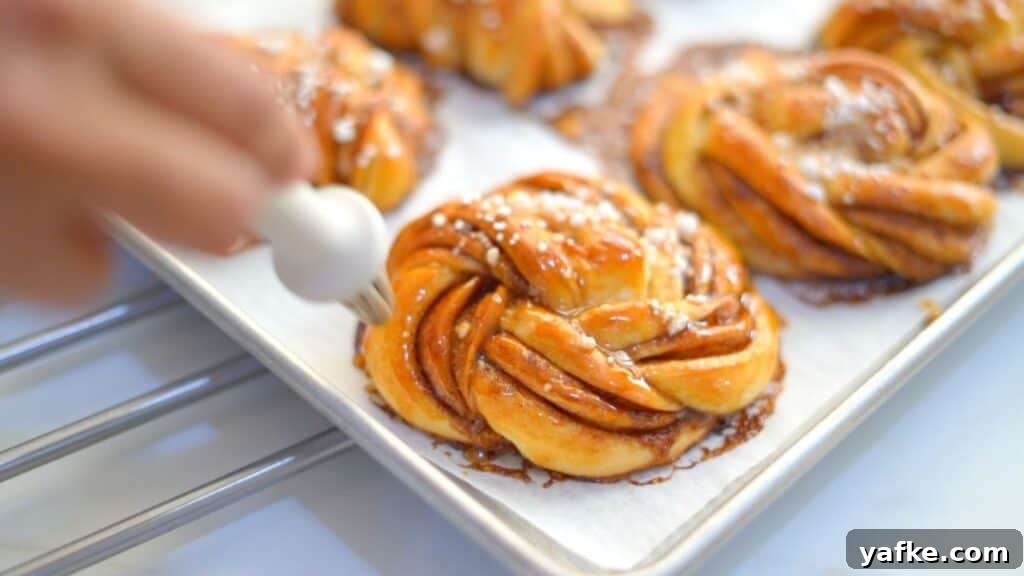
Allow the buns to cool for 2–3 minutes, then brush with a simple sugar syrup (optional) while still warm to add shine and a touch of sweetness.
Sugar syrup for glaze
Combine 60 g (5 tbsp) sugar with 60 ml (¼ cup) water in a small saucepan. Bring to a simmer and cook until syrupy. Remove from heat and cool slightly before brushing on warm buns.
Storage, freezing and reheating tips
- Room temperature: Store in an airtight container for up to 3 days. Rewarm briefly in the microwave or for 7–10 minutes at 350°F for a just-baked taste.
- Refrigerator: Keeps baked buns for up to 5 days. Reheat before serving to restore softness.
- Freezing baked buns: Wrap tightly and freeze for best quality up to 2–3 months. Reheat from frozen in the oven.
- Freezing unbaked shaped buns: Possible, but may cause leakage of filling and a reduced rise. If frozen unbaked, allow extra time to come to room temperature and proof before baking.
Yeast, variations and troubleshooting
You can use instant or active dry yeast. If using active dry yeast, bloom it in the warm liquid and wait for slight foaming before adding the flour. You may add one egg to the dough for extra richness — reduce the water by about 55 ml if you do.
If your buns turn out dense or dry, the usual causes are adding too much flour, overbaking, or under-proofing. Aim for a soft, slightly tacky dough, confirm your yeast is active, and bake until the buns are just golden.
Equipment
- Mixing bowl
- Rolling pin
- Baking tray lined with parchment paper
- Sharp knife or pastry wheel
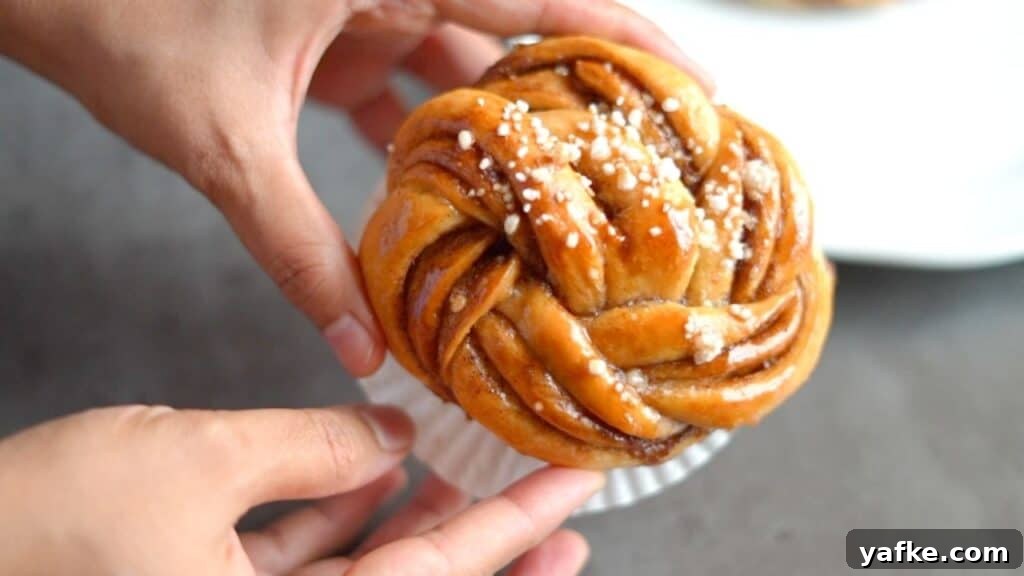
These aromatic Swedish cinnamon buns are best enjoyed warm and fresh, paired with coffee or tea. Have fun shaping the knots — the technique is easy and the results are deliciously rewarding.