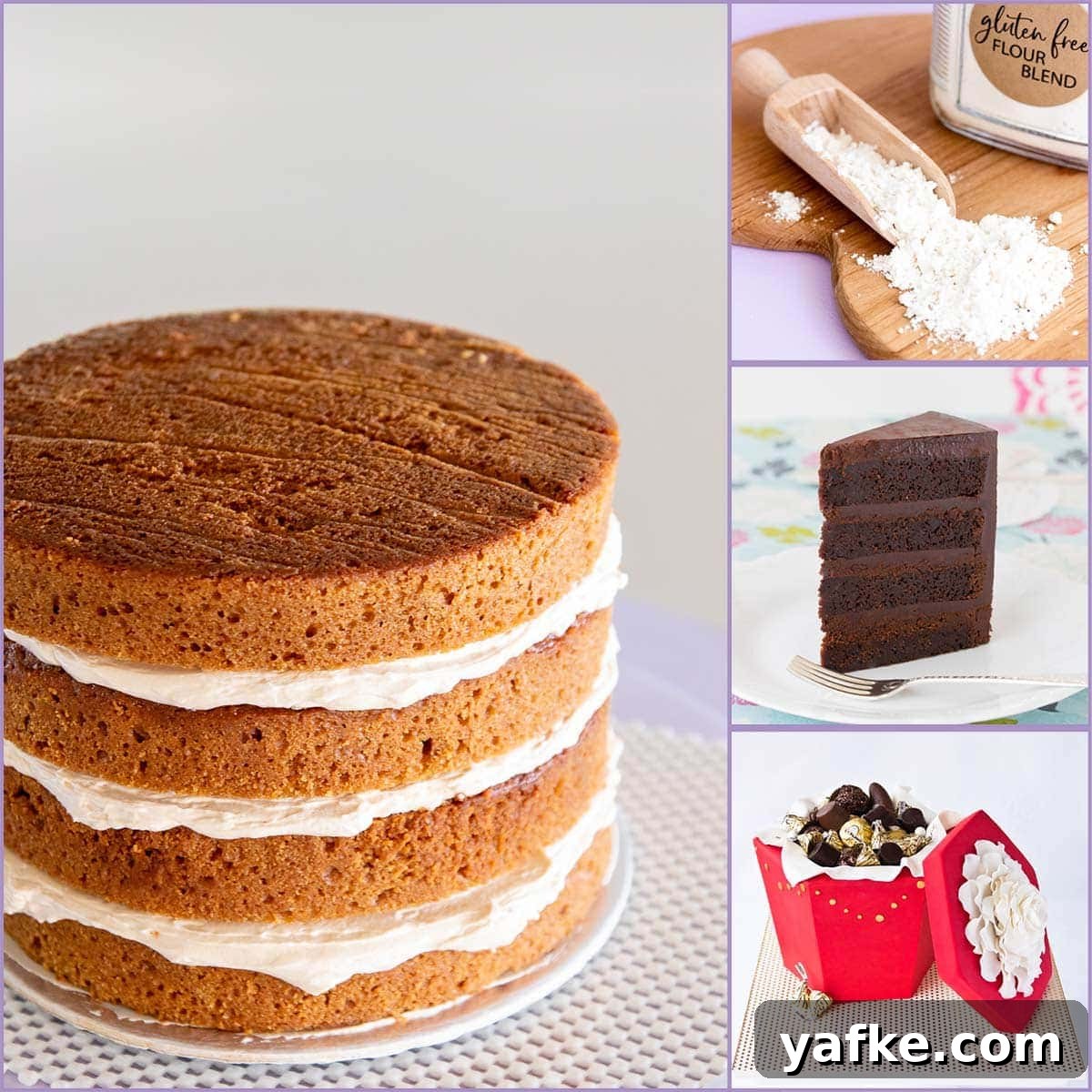
Learn how to make excellent gluten-free cakes, how to bake them safely for people with Coeliac disease, and what to consider when you’re preparing a cake for decoration. Includes gluten-free cake recipes that are sturdy enough for decorating and carving.
Over the last decade I’ve been part of many cake-decorating communities, and one question keeps coming up: “Can someone recommend a reliable gluten-free cake recipe?” The short answer is yes — there are many excellent recipes — but baking gluten-free involves more than just swapping flours. Safety, technique and ingredient choices all matter, especially when baking for someone with Coeliac disease.
People usually fall into two camps: those who find gluten-free baking intimidating, and those who assume it’s a simple 1:1 swap of wheat flour for gluten-free flour. Neither view is completely correct. With the right recipe and precautions, gluten-free cakes are straightforward to make and can be just as stable and decorative as wheat-based cakes. But you do need to be thoughtful about cross-contamination, ingredient selection and the type of flour you use.
Below I’ll cover safety considerations, practical tips for gluten-free cake baking and decorating, and a selection of recipes that perform well for carved cakes, tiered cakes and fondant-covered designs.
Table of contents
- Safely Baking Gluten Free
- Baking Cakes for People with Coeliac Disease
- Cleaning Your Kitchen
- Check Your Ingredients
- Gluten Free Flour
- Measurements
- Cake Sizes
- Gluten Free Cake Baking Tips
- Decorating Gluten Free Cakes
- Tips for Carving Gluten Free Cakes
- Gluten-Free Cake Recipes for Decorating
Safely Baking Gluten Free
There are different levels of allergen-safe baking, and you should clarify what level is required before you begin. If you’re baking for someone who avoids gluten by choice or has mild sensitivity, typical precautions may be sufficient. If you’re baking for someone with Coeliac disease, even trace amounts of gluten can cause harm, so take extra care.
Baking Cakes for People with Coeliac Disease
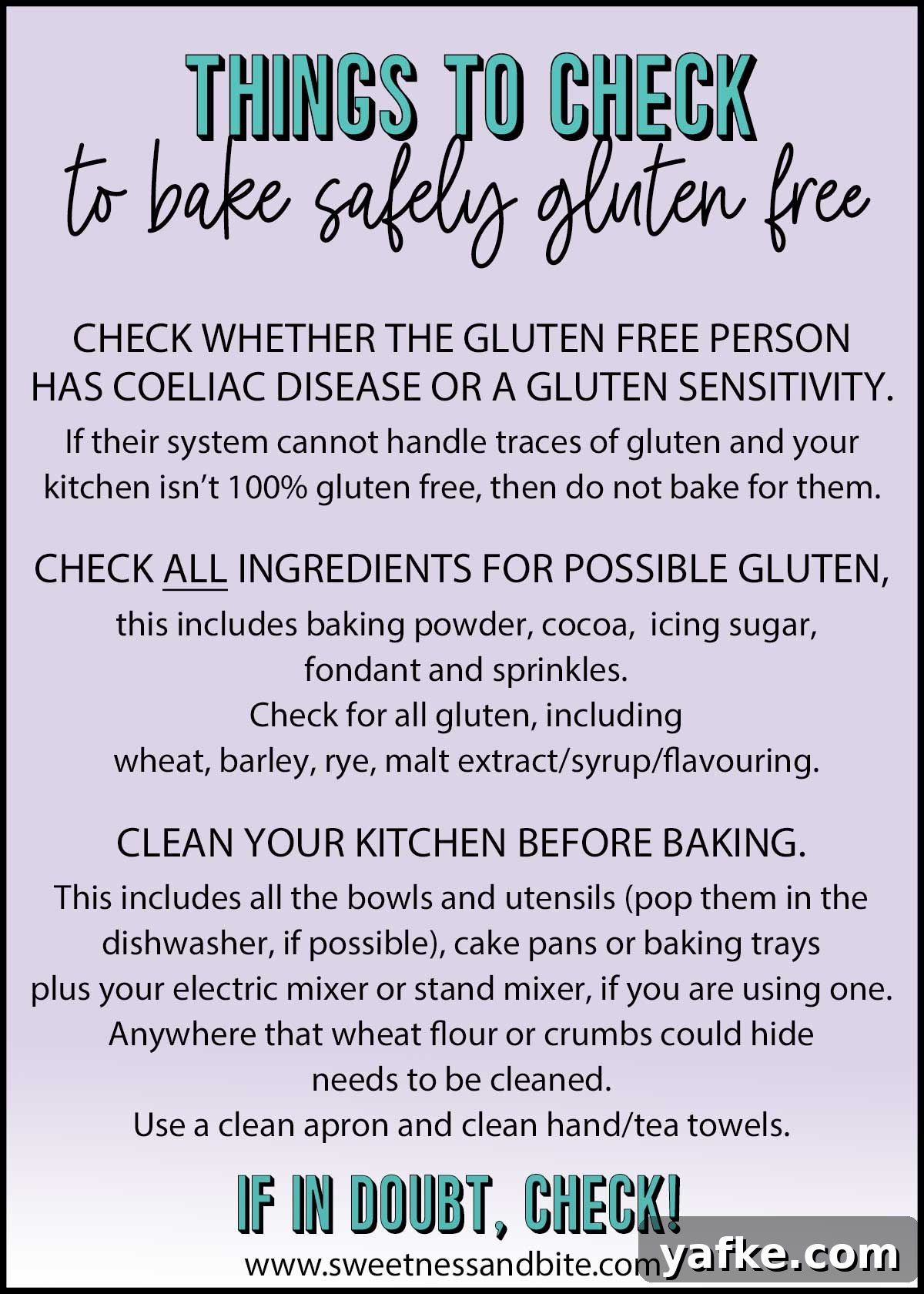
For people with Coeliac disease, tiny amounts of gluten can trigger symptoms and damage the gut. Gluten can exist as airborne dust from flour, as crumbs on surfaces, or as residues on utensils and equipment. Because of this, cross-contamination is the biggest risk when baking in a kitchen that also handles wheat-based products.
Before you accept an order, ask the person whether they have Coeliac disease or a severe gluten sensitivity, and whether they’re comfortable with you baking in your kitchen. They may prefer a 100% gluten-free facility. If you’re unsure you can guarantee a contamination-free environment, it’s safer to recommend a dedicated gluten-free baker.
Cleaning Your Kitchen
If you get the go-ahead, clean thoroughly. Wipe down benches twice, wash and rinse all bowls, utensils and sieves (a dishwasher is ideal), and check cake tins for trapped crumbs. Use clean cloths and aprons and wash your hands frequently. Wipe down appliances like mixers — flour can hide in vents and crevices and later settle into batter.
If you plan to bake gluten-containing items on the same day, bake and store the gluten-free products first, then bake anything with gluten afterward to avoid airborne contamination.
Check Your Ingredients
Read ingredient labels for every packaged product you intend to use. Manufacturers often list common allergens separately, but terms can be confusing. Watch for wheat, barley, rye, semolina, spelt, graham flour and modified wheat starch. Oats can be problematic for some people with Coeliac disease because of contamination or sensitivity to avenin.
Be particularly careful with icing (powdered/confectioner’s) sugar because some brands use wheaten starch as an anti-caking agent. Choose brands that use corn starch or explicitly state they are gluten-free. Non-stick cooking sprays sometimes contain flour—use pure oil or butter to grease pans. Also verify that fondant, gum paste and any decorations are labeled gluten-free.
If you’re unsure about a particular ingredient, check the manufacturer’s product information or ask the person you’re baking for which brands they trust.
The most important rule: if you cannot mitigate cross-contamination risks, don’t take the job.
Gluten Free Flour
There isn’t a single direct substitute for wheat flour in gluten-free baking. Good results usually come from blends of starches and flours. You can use a commercial gluten-free blend or mix your own from ingredients such as tapioca starch, potato starch and rice flour. Many bakers add a binding agent like xanthan gum or guar gum to mimic gluten’s structure.
If you use a pre-made blend that already contains a gum, omit extra xanthan gum from the recipe. If you create your own blend, follow the recipe’s gum recommendation or test to find the right texture.
Measurements
For consistency and troubleshooting, use weight measurements for dry ingredients. Cup measures vary by country and technique, which can affect gluten-free recipes more noticeably. If you don’t own kitchen scales, consider investing in an affordable set to improve reliability.
Cake Sizes
I list pan sizes and typical baked heights for each recipe. Scaling recipes to different pan sizes can change bake times and cake height; test in the size you need ahead of an event to avoid surprises. If baking large cakes, consider using two same-size pans to halve bake times and reduce crust waste when leveling.
Gluten Free Cake Baking Tips
With safety and the right flour handled, gluten-free baking is straightforward. Read recipes fully before starting, and gather ingredients and equipment. One advantage of gluten-free batter is you don’t have to worry about overworking gluten, so mixing can be more forgiving.
Most recipes benefit from being baked the day before decorating. Allow cakes to cool in the tin until warm, then cover tightly so they settle and are easier to level and slice. If you must scale up a recipe, test it at least once in advance.
Decorating Gluten Free Cakes
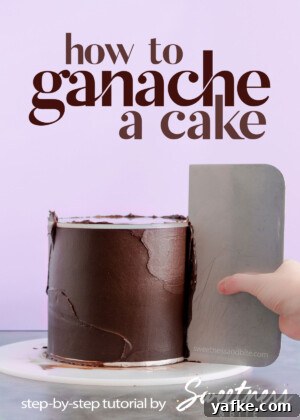
For fondant-covered or carved cakes, I recommend covering in chocolate ganache before applying fondant. Ganache firms up and adds stability, which is especially helpful for tiered cakes or shaped designs. For regular layer cakes buttercream can be sufficient, but an outer layer of ganache increases strength.
Follow a multi-day decorating timeline if possible: Day 1 — bake; Day 2 — ganache; Day 3 — cover with fondant and decorate. If drying time is needed for decorations, allow an extra day. To prevent dryness, brush layers lightly with sugar syrup before filling.
Check that all decorative materials—fondant, gum paste, trimmed sugars and chocolates—are gluten-free. Chocolate is often safe, but always verify the label.
Tips for Carving Gluten Free Cakes
Many gluten-free recipes are firm enough to carve. Bake cakes the day before carving so the crumb settles; chilling or briefly freezing before carving makes the cake firmer and reduces crumbling. Use ganache for coating carved cakes to add structural stability, then cover with fondant if required.
Gluten-Free Cake Recipes for Decorating
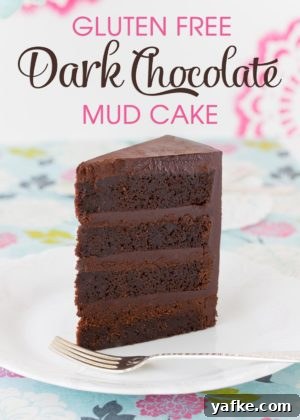
Gluten Free Dark Chocolate Mud Cake
A rich, firm and deeply chocolate cake that’s popular because it’s easy to make and very sturdy — ideal for carving and decorating.
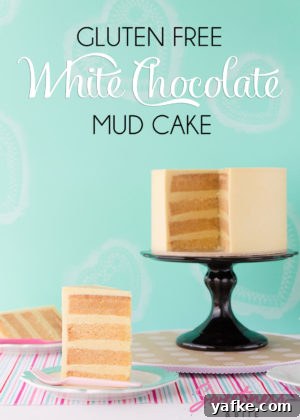
Gluten Free White Chocolate Mud Cake
A lighter white chocolate version of the mud cake. Rich in flavour and still sturdy for shaping and covering.
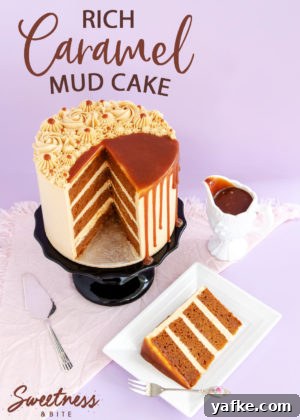
Gluten Free Rich Caramel Mud Cake
Made with an authentic caramel base, this cake is full of caramel flavour and firm enough for carved or tiered cakes.
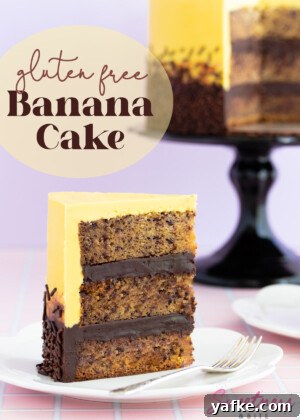
Gluten Free Banana Cake
A moist, flavourful banana cake that keeps well and develops even better taste over a day or two. Works with buttercream, ganache and fondant.
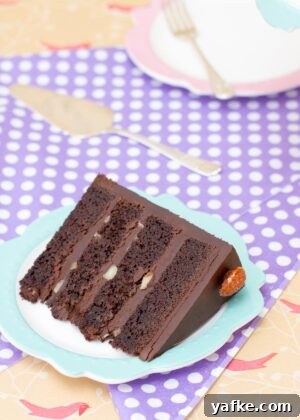
Gluten Free Toasted Almond Chocolate Cake
A lighter-style chocolate cake using toasted almond meal for depth of flavour. Add chopped toasted almonds to fillings for texture.
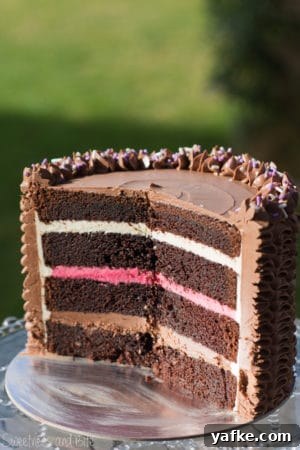
Gluten Free Devil’s Food Cake
A versatile, middle-weight chocolate cake that suits many fillings and is a reliable family favourite for birthdays and celebrations.
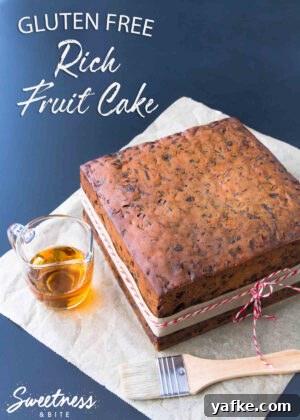
Gluten Free Rich Fruit Cake
A dense, long-keeping fruit cake suitable for celebration cakes and traditional styles. Decorate well in advance for best results.
More recipes coming soon.
If you have questions or suggestions for additional gluten-free recipes or techniques, leave a comment below. I’m always open to learning from other gluten-free bakers and improving these guides.
— Natalie
You May Also Like…