
Pasta Del Verde asked me what my secret is in the kitchen. It’s a lovely question and one I’ve been thinking about a lot lately as I move into a new kitchen, unpacking jars of flour with handwritten labels, boxes of pasta, pots of honey and sugar, and a drawer of salts — fine sea salt, coarse salt, flavoured salts, fleur de sel from Camargue and my favourite, Maldon. Is my secret hidden in these jars, or somewhere deeper?
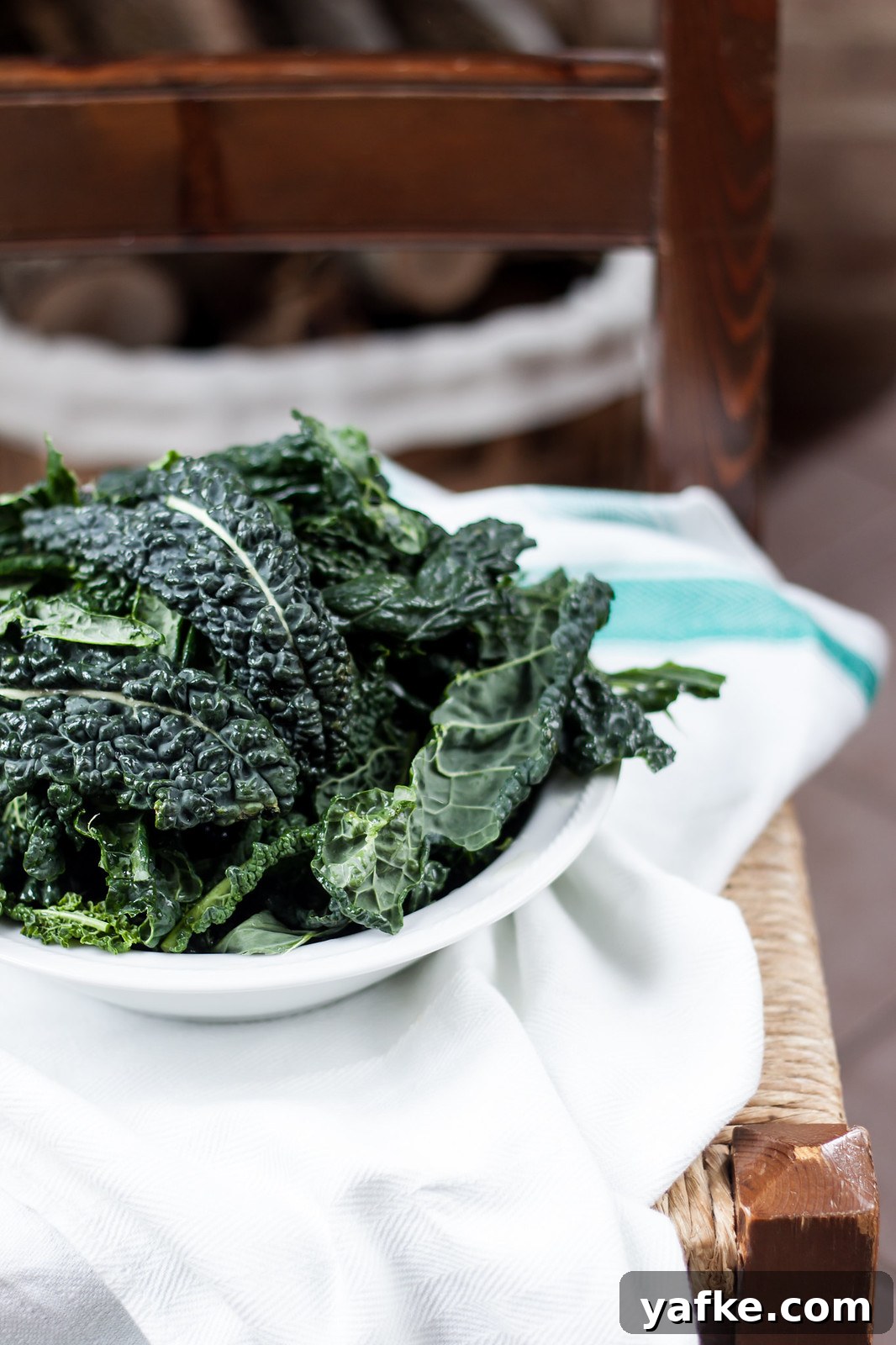
Seasonal ingredients are one clear part of the answer. Fresh zucchini at the start of summer, squash in autumnal hues, and Tuscan black kale — cavolo nero — which tastes best after the first winter frost. Following the seasons creates gentle anticipation: we mark time by what’s available and enjoy the rhythm of each harvest. I find myself waiting for the return of the first nectarines, the explosion of summer berries, and the citrus of winter. Seasonal cooking keeps food exciting: you remember the texture and scent of ingredients and look forward to experiencing them again.
There is also a little bit of what I can only call kitchen magic. When you cook for people you love, you put more than ingredients into a dish: you transfer care, memory and a little optimism. It sounds sentimental, but I feel it in my hands when I make my grandmother’s meat sauce or my mother’s orange guinea fowl. That energy shapes the final result and makes a meal feel like more than the sum of its parts.
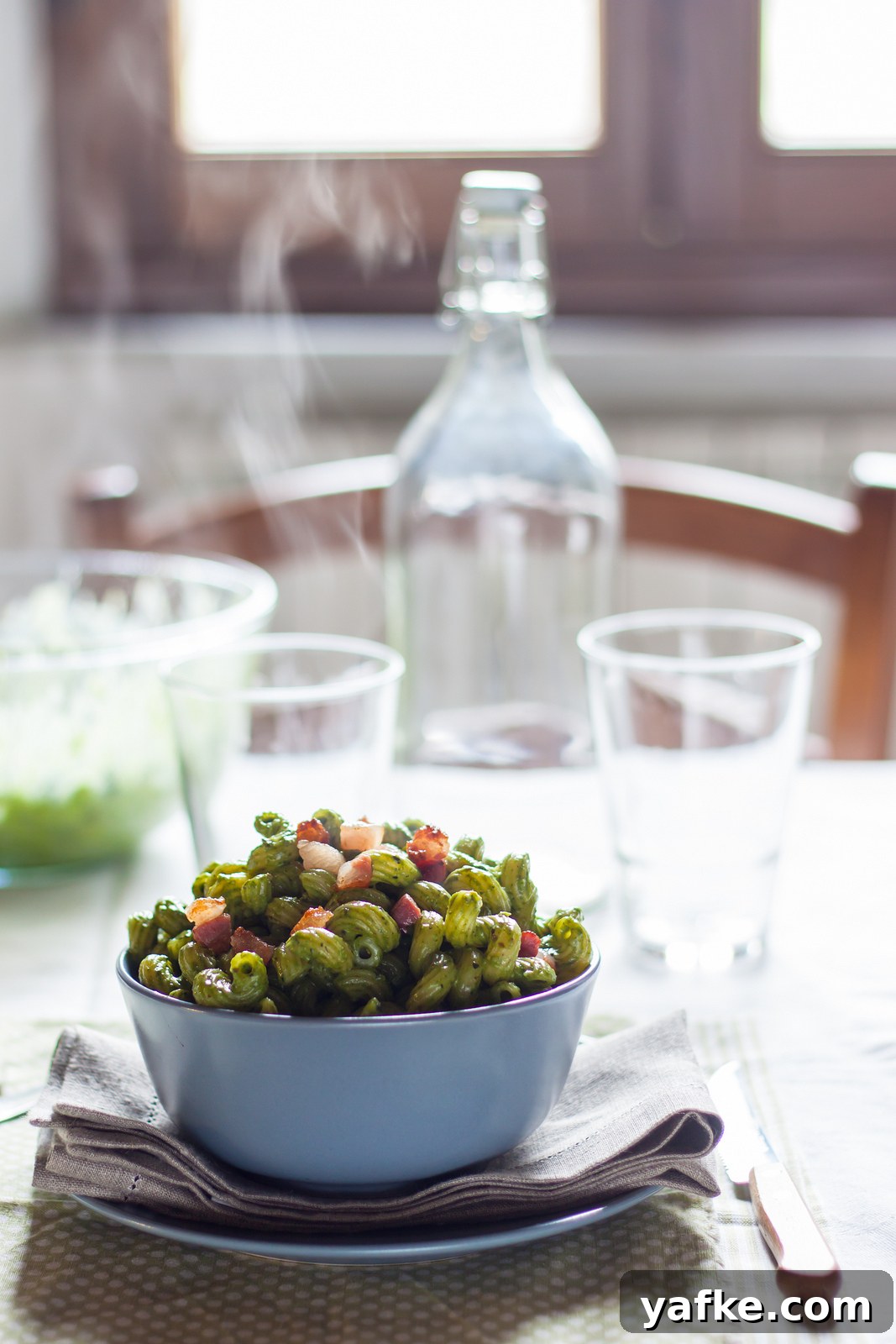
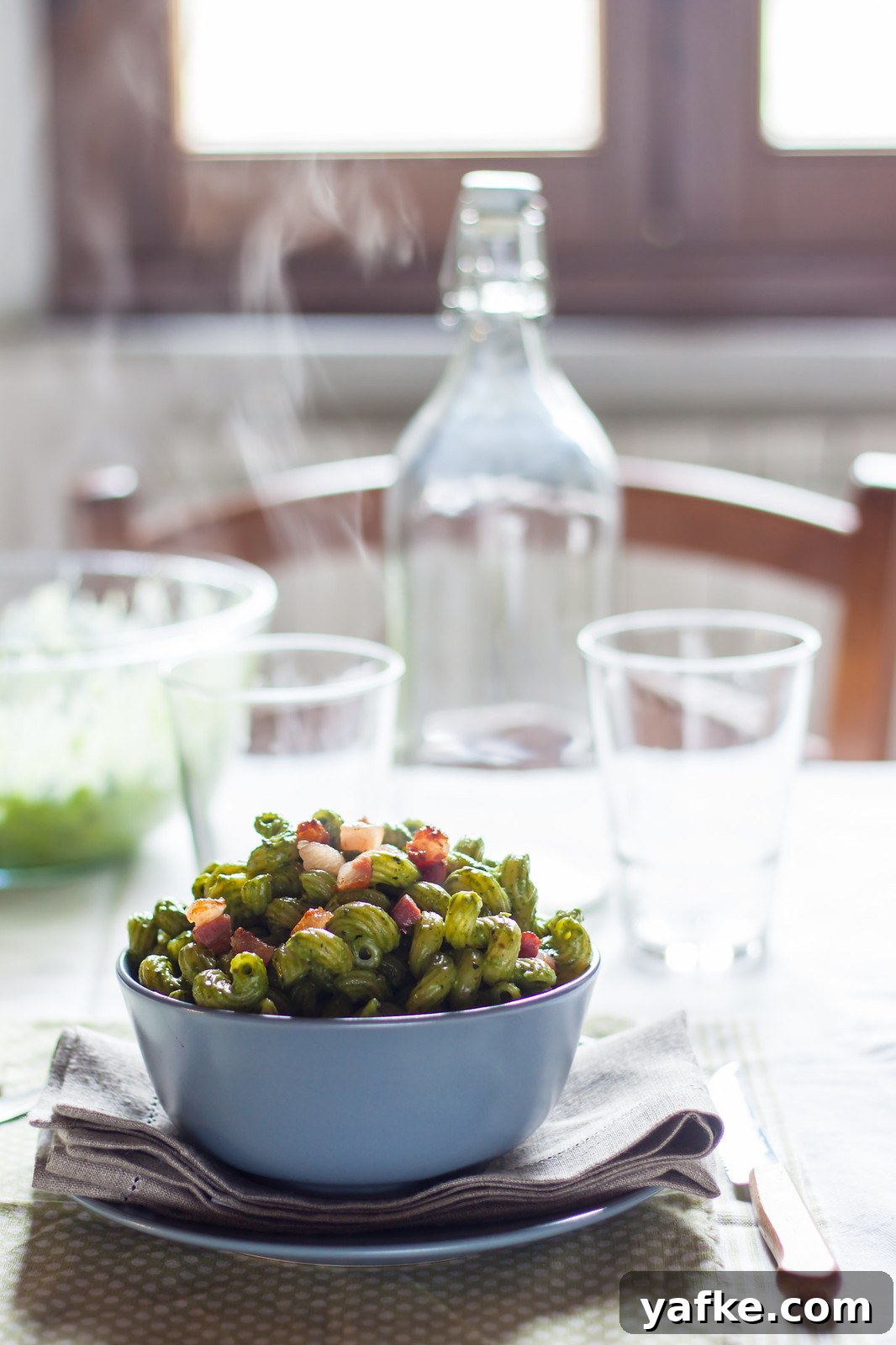
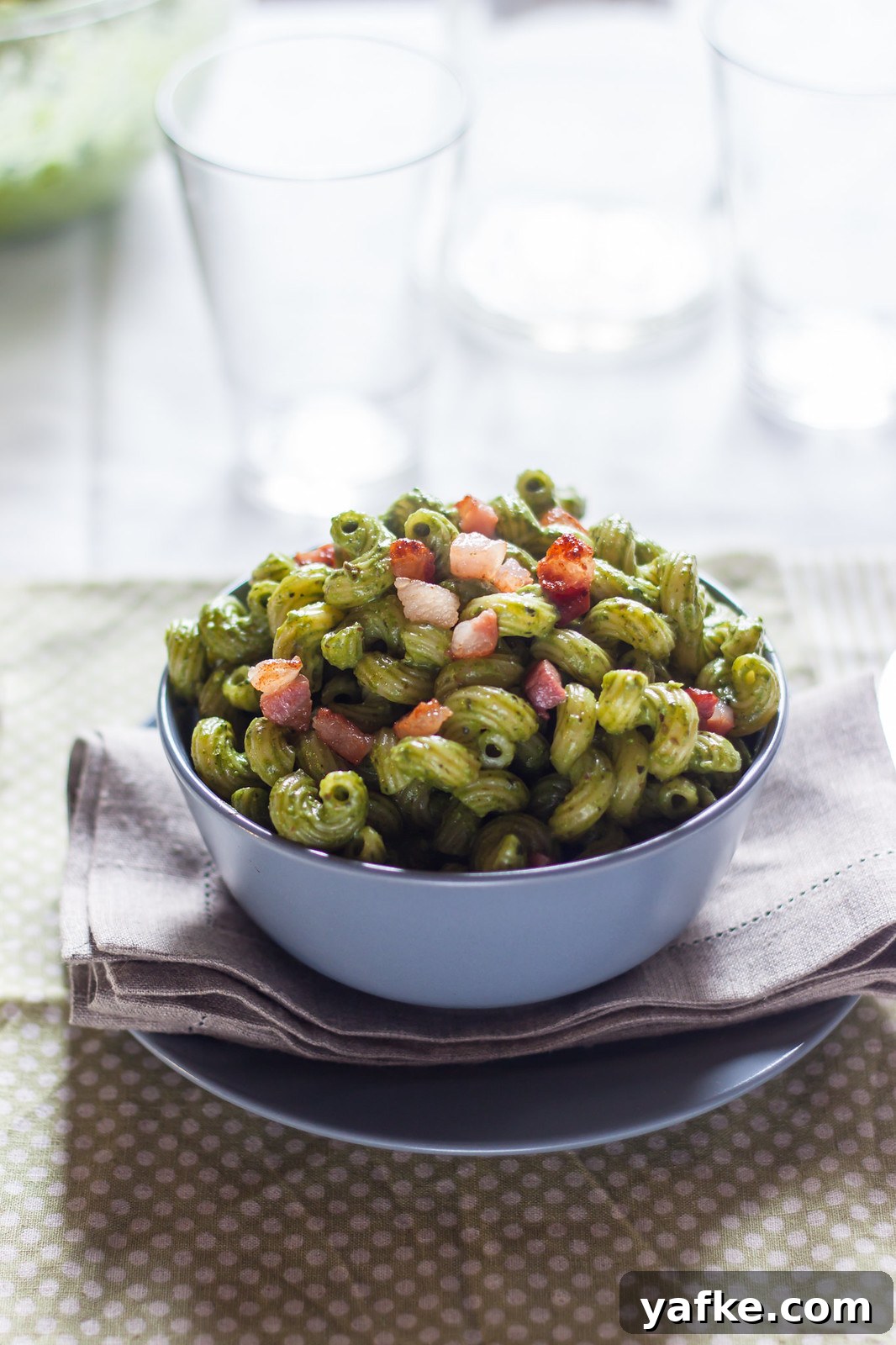
For this recipe I combined a few of my go-to secrets: a quality short pasta (I used Tortiglioni Del Verde), cavolo nero as the main winter green, aged Tuscan pecorino for sharpness, toasted almonds for texture and nuttiness, and a few cubes of guanciale for crispy, savory contrast — pancetta works well too. A generous drizzle of good extra virgin olive oil binds everything together and helps preserve the pesto if you refrigerate it.
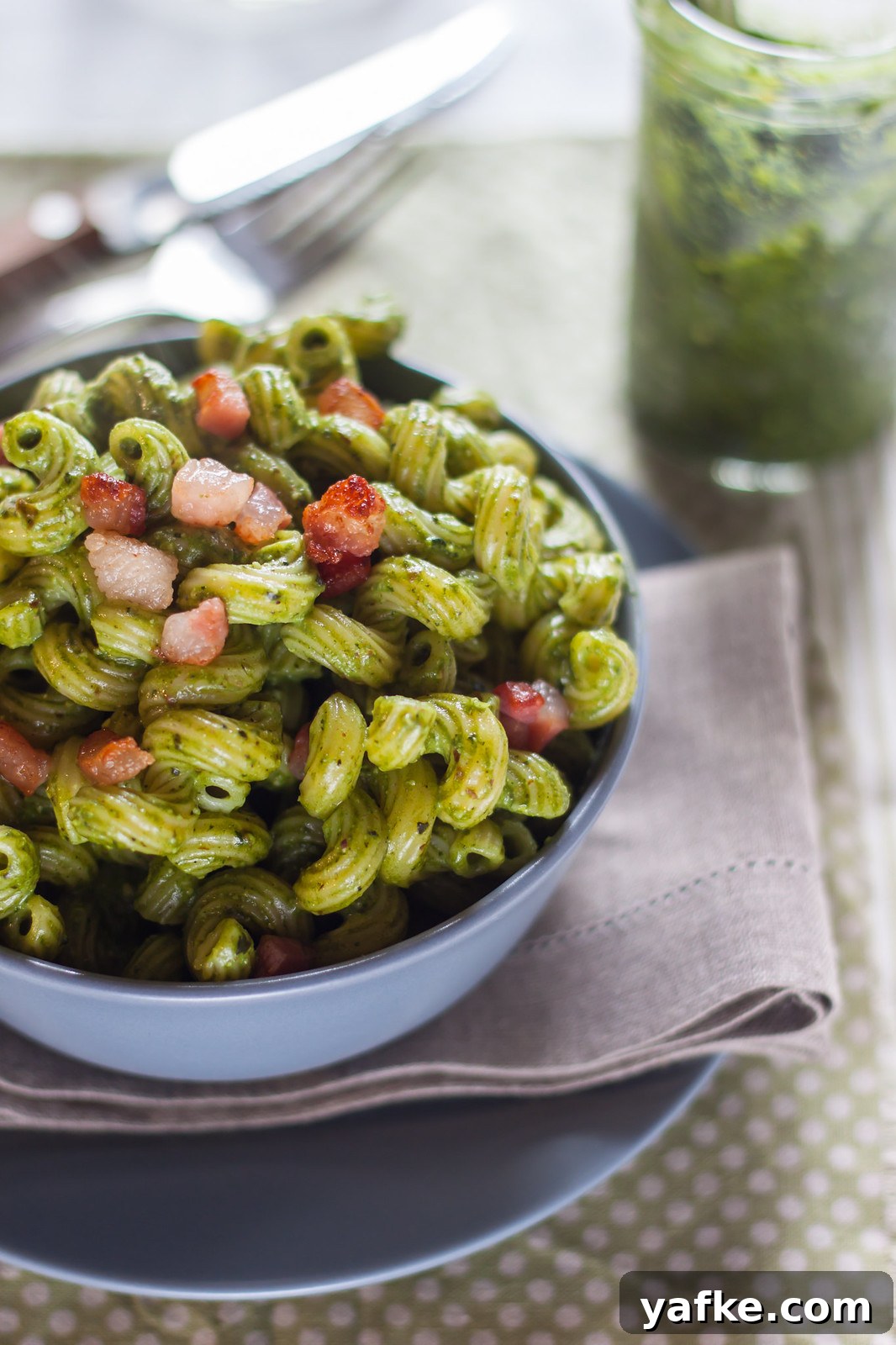
Black Kale Pesto
This recipe yields about two jars of pesto. Keep it refrigerated with a thin layer of extra virgin olive oil for a few days, or freeze portions in ice cube trays for later use, just as you would preserve basil pesto. When dressing pasta, always mix the pesto with a couple of spoonfuls of the reserved pasta cooking water to loosen the sauce so it coats the shapes evenly.
Times
Prep: 10 mins | Cook: 30 mins | Total: 40 mins
Ingredients
- A bunch of Tuscan black kale (cavolo nero), about 500 g (about 250 g once cleaned)
- 150 g almonds, toasted
- 120 g aged Tuscan pecorino, grated
- 1/2 clove garlic (or to taste)
- Salt, to taste
- Extra virgin olive oil, generously
- Tortiglioni or other short pasta
- Pancetta or guanciale, diced and fried until crisp
Instructions
- Rinse the black kale well and remove the thick central stalks. Cook the leaves in salted boiling water for about 30 minutes until tender. Drain and press out excess water. Let the leaves cool slightly.
- In a food processor, purée the cooked kale with the toasted almonds, garlic, and a generous amount of extra virgin olive oil. Add oil gradually until the pesto reaches a smooth but slightly coarse texture. The olive oil helps the pesto blend easily and extends its fridge life.
- Stir in the grated pecorino and season with salt to taste. Adjust oil and cheese until you achieve the balance of creaminess and tang you like.
- Cook the Tortiglioni according to the package instructions until al dente. Reserve a few tablespoons of the cooking water before draining.
- Combine the pesto with a couple of tablespoons of the reserved cooking water to loosen it, then toss with the hot pasta so the sauce clings to every groove.
- Fry the diced pancetta or guanciale in a non-stick pan until golden and crisp. Add the crispy cubes to the dressed pasta, toss briefly and serve immediately.
A final note: life sometimes interrupts the kitchen with unexpected adventures. I’m off for a few days on a sudden trip — my first time in the mountains in winter as an adult. I remember being small enough to believe in Santa Claus; now I’m curious what new small wonders winter will bring. I’ll be back in the first days of the new year with more recipes and stories.
Before I go, here’s a question for you: which Jul’s Kitchen recipe did you enjoy most this year? I’d love to hear what you made and what brought warmth to your table.