
Have you ever followed the same recipe but used different 1:1 gluten-free flour blends and ended up with varying results? It’s common — each blend has a unique mix of grains, starches, and binders, and the grain-to-starch ratio alone can change how a batter or dough behaves. Gluten-free baking often feels like a small kitchen experiment. Below I explain the main reasons blends perform differently and offer practical tips to help your baking turn out consistently well.
Flour Blend Recipe Tests:
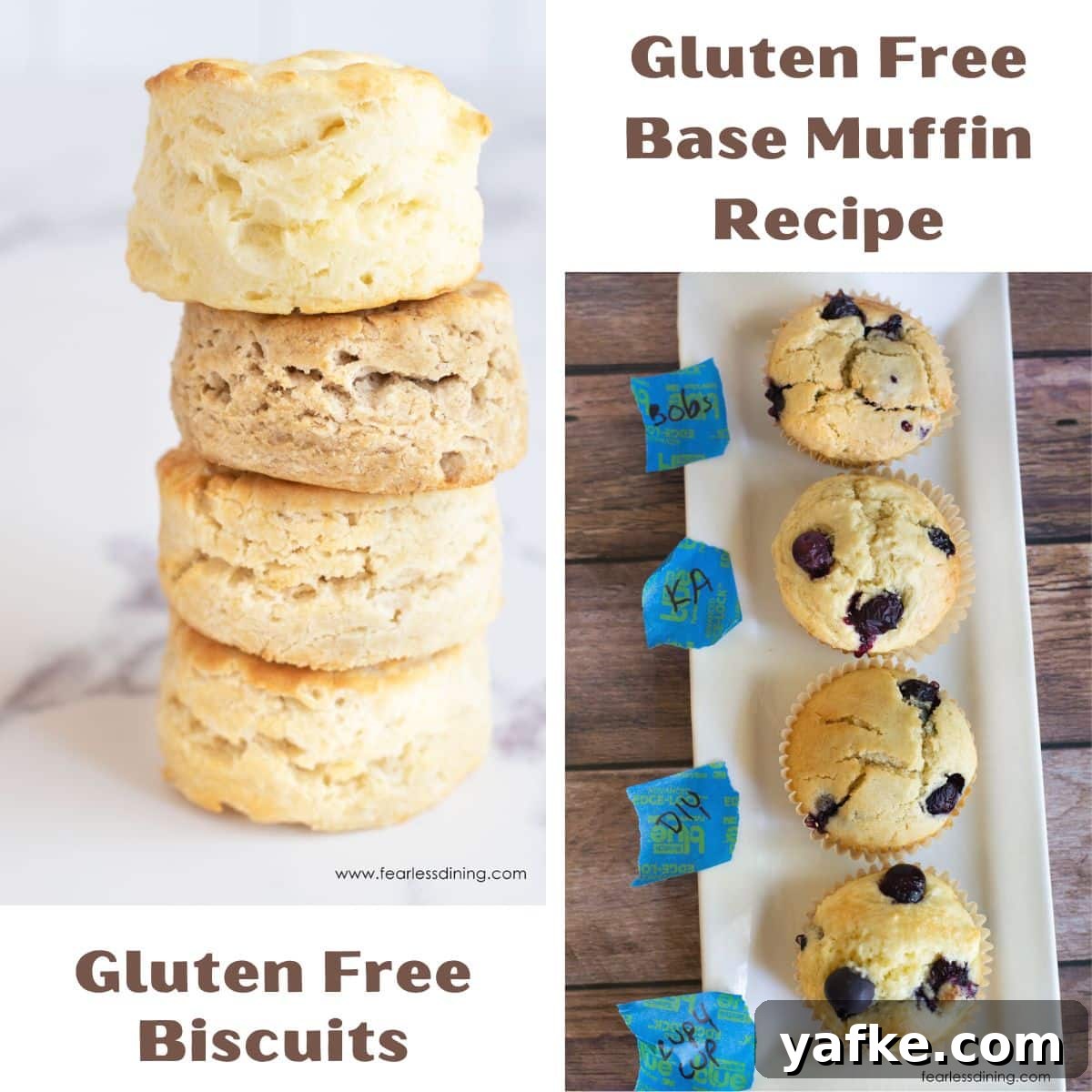
If you need proof that flour blends differ, look at controlled recipe tests. When the same base recipe is made with multiple 1:1 blends, results vary — texture, rise, moisture, and crumb can all change. For example, I tested ten blends in a flaky gluten-free biscuit recipe and four blends in a basic muffin recipe. Some blends yielded taller, tender muffins; others produced a coarser crumb or required more liquid. These comparisons make it clear why recipe creators usually specify which blend they used.
- Tested 10 different gluten-free flour blends in a Gluten Free Biscuit recipe, showing distinct differences in texture and rise.
- Tested 4 blends in a base Gluten Free Muffin recipe, illustrating how moisture and crumb can shift by blend.
Main Rules of Thumb in Gluten Free Baking:
- Be ready to adjust liquid or dry ingredients when swapping blends. Some blends need more moisture, others less. Compare your batter to recipe photos or descriptions to match consistency.
- Never assume any 1:1 gluten-free flour can be swapped directly for wheat flour unless the recipe author explicitly tested that specific blend. Unspecified swaps are the most common cause of baking failures and wasted ingredients.
The Main Gluten Free Flour Blend Brands:
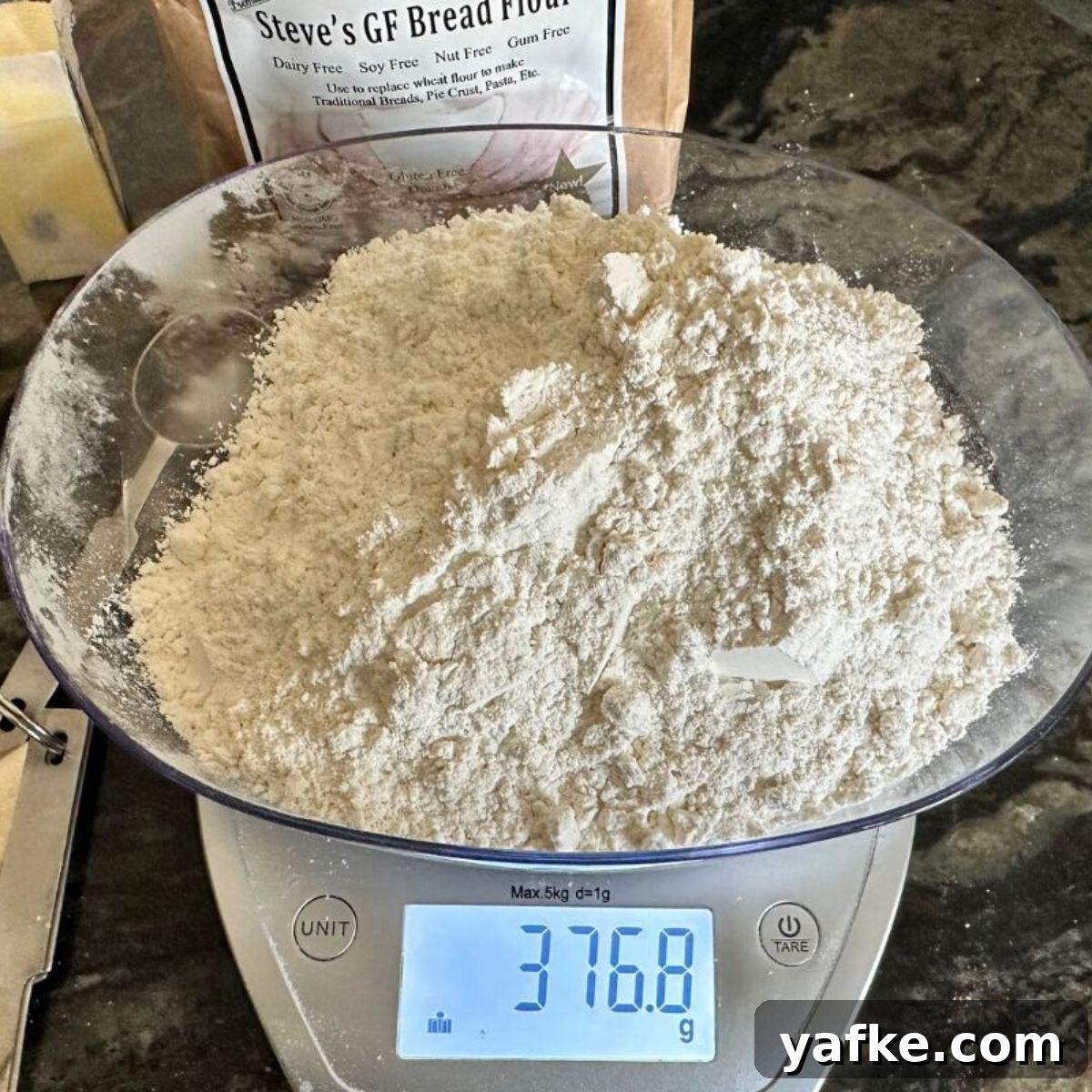
🍩 The key point: Every commercial blend uses different ingredients and different grain-to-starch proportions, which is why they vary so much in weight and baking performance.
A reliable 1:1 blend generally mixes flours (for structure) with one or two starches (for tenderness). Because gluten-free flours lack wheat protein, blends rely on a balanced protein level across the flours and a binder to provide structure. Brands differ in ingredient selection, milling fineness, and starch ratios, which affects mouthfeel and baking behavior.
Store-bought gluten free flour blends:
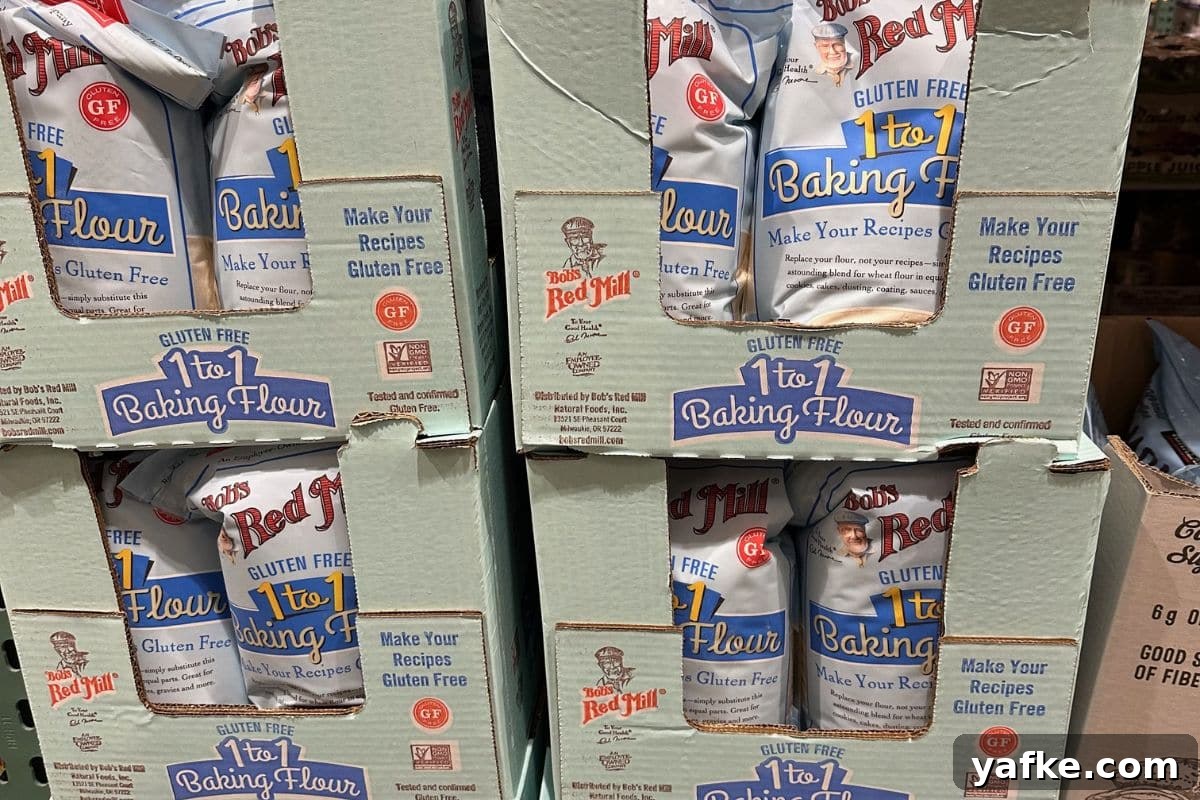
Common grocery-store and mass-market blends are often labeled as 1:1 swaps for wheat flour. In reality, they behave differently depending on their composition. Typical store-bought options include Bob’s Red Mill 1:1 Gluten Free Blend, King Arthur Measure for Measure, Pillsbury Gluten Free Flour, Cup4Cup, Namaste, Arrowhead Mills, Krusteaz, Pamela’s All Purpose Gluten Free Flour, and others. Note: some blends contain wheat starch — those are not suitable for people with celiac disease.
You can also create your own custom blends at home to control ingredients and ratios. DIY blends let you adjust rice, sorghum, oat, or other flour proportions and choose starches and binders to suit specific recipes.
Gluten Free Specialty Flour Blends:
Specialty brands usually use finer milling and higher-quality ingredients, which improves texture and consistency in delicate bakes. These blends tend to be pricier but can produce a smoother crumb and more consistent results, especially in cakes and pastries.
🔑 Tip: If texture or mouthfeel is a priority, try a finely milled specialty blend. If cost is the concern, work with more affordable blends and adjust moisture and resting times to improve the outcome.
Commonly Used Grains:
Most gluten-free blends combine grain flours with starches. Common grain flours include brown rice flour, white rice flour, sorghum flour, and oat flour. Less common options are buckwheat, quinoa, and millet. Each grain absorbs moisture differently and contributes varying protein levels, which impacts structure and elasticity in baked goods.
Special note about coconut flour: Coconut flour absorbs significantly more liquid than typical gluten-free flours. If you include coconut flour in a blend or recipe, increase liquids accordingly. Nut and seed flours add flavor and nutrients but usually absorb less liquid than grain flours and can change texture.
Commonly Used Starches:
Typical starches in blends include tapioca starch, potato starch, cornstarch, and arrowroot. Starches help lighten the crumb and improve tenderness. The ratio of flours to starches largely determines how dense or fluffy a finished product will be. Finer flours yield a smoother texture; coarser flours produce a heartier mouthfeel.
Commonly Used Binders:
Pre-made blends often include a binder like xanthan gum or guar gum. Homemade blends frequently use psyllium husk for structure and elasticity. If your chosen blend does not contain a binder, add one in the recipe; without it, cookies, cakes, and muffins can be crumbly and fall apart.
Understanding the roles of grains, starches, and binders will help you choose or build a flour blend that suits the texture and structure you want. Test small batches when trying a new blend, and be ready to adjust liquids and resting times for the best results.