
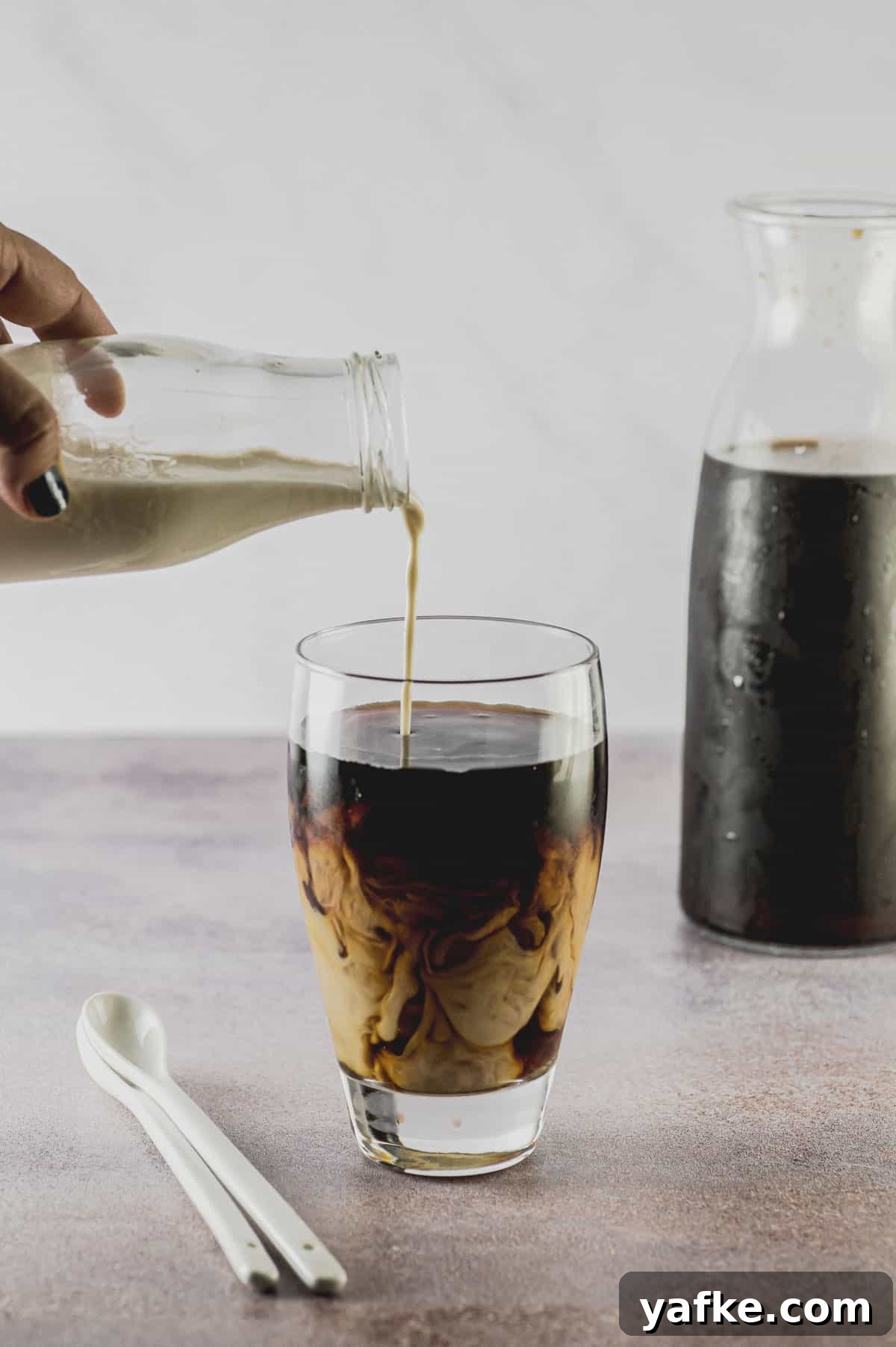
On hot summer mornings you may still crave your caffeine fix but not another steaming cup. Cold brew coffee delivers smooth, full coffee flavor without the heat — and without the sharp acidity and bitterness that hot brewing can extract. It’s easy to make at home and stores well, which is why it’s become a favorite at cafes and in home kitchens alike.
What is Cold Brew Coffee?
Cold brew is simply coffee steeped in cold or room-temperature water instead of brewed with hot water. Because extraction happens slowly and without heat, cold brew tends to taste smoother and less acidic than traditional hot-brewed coffee. The result highlights the coffee’s natural flavors with reduced bitterness, and many people find it gentler on the stomach.
Equipment Needed to Make Cold Brew Coffee
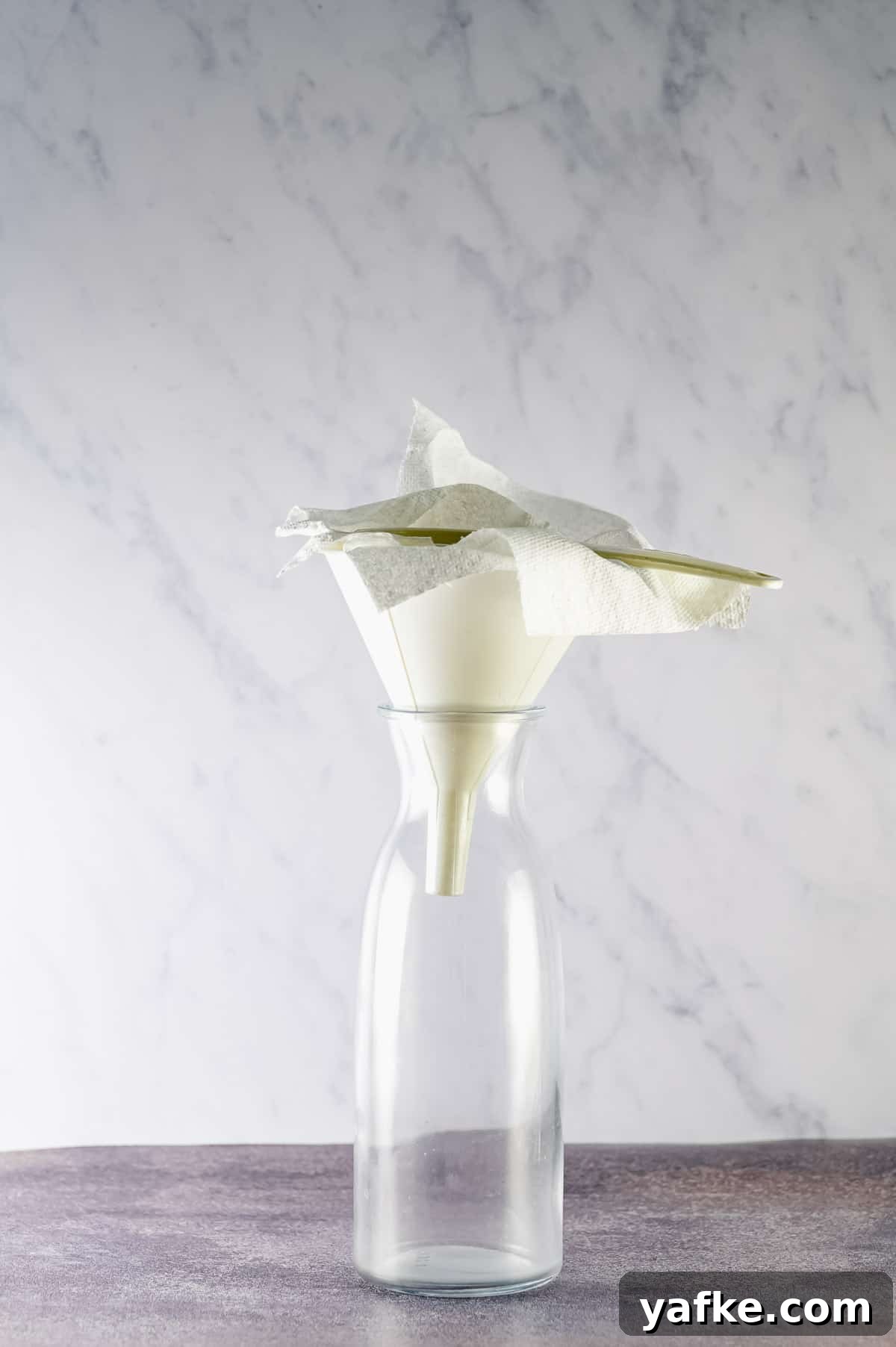
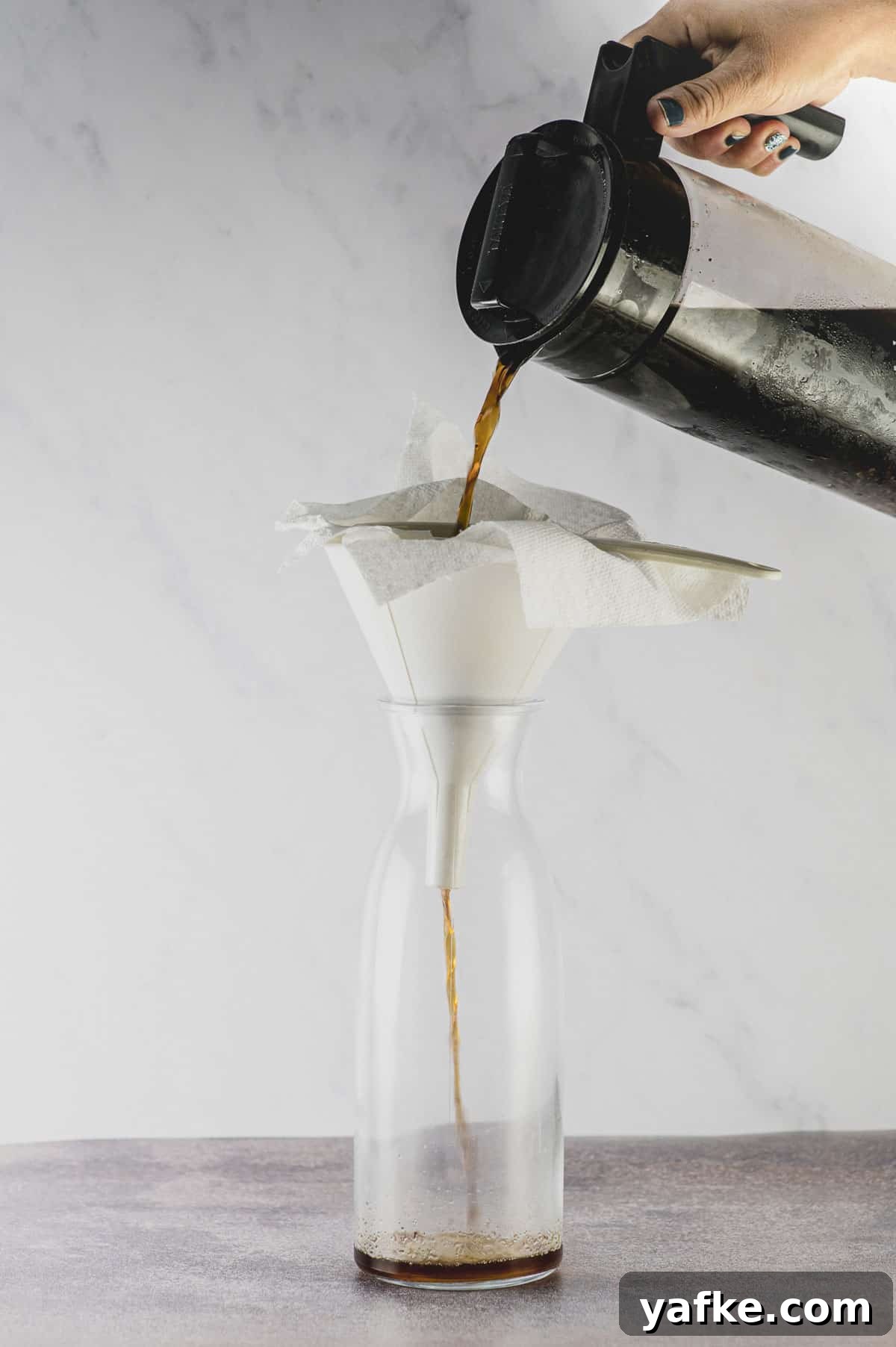
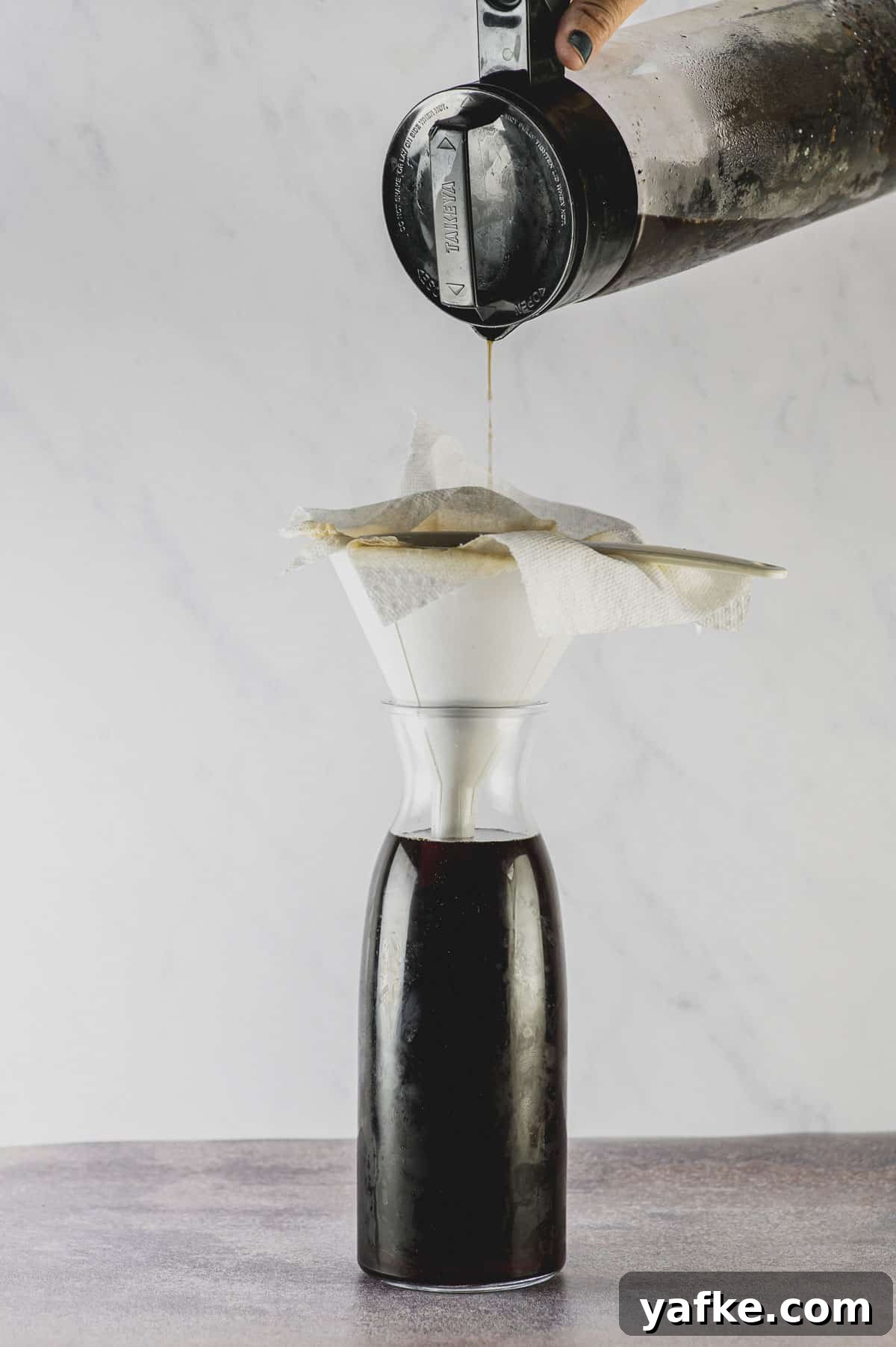
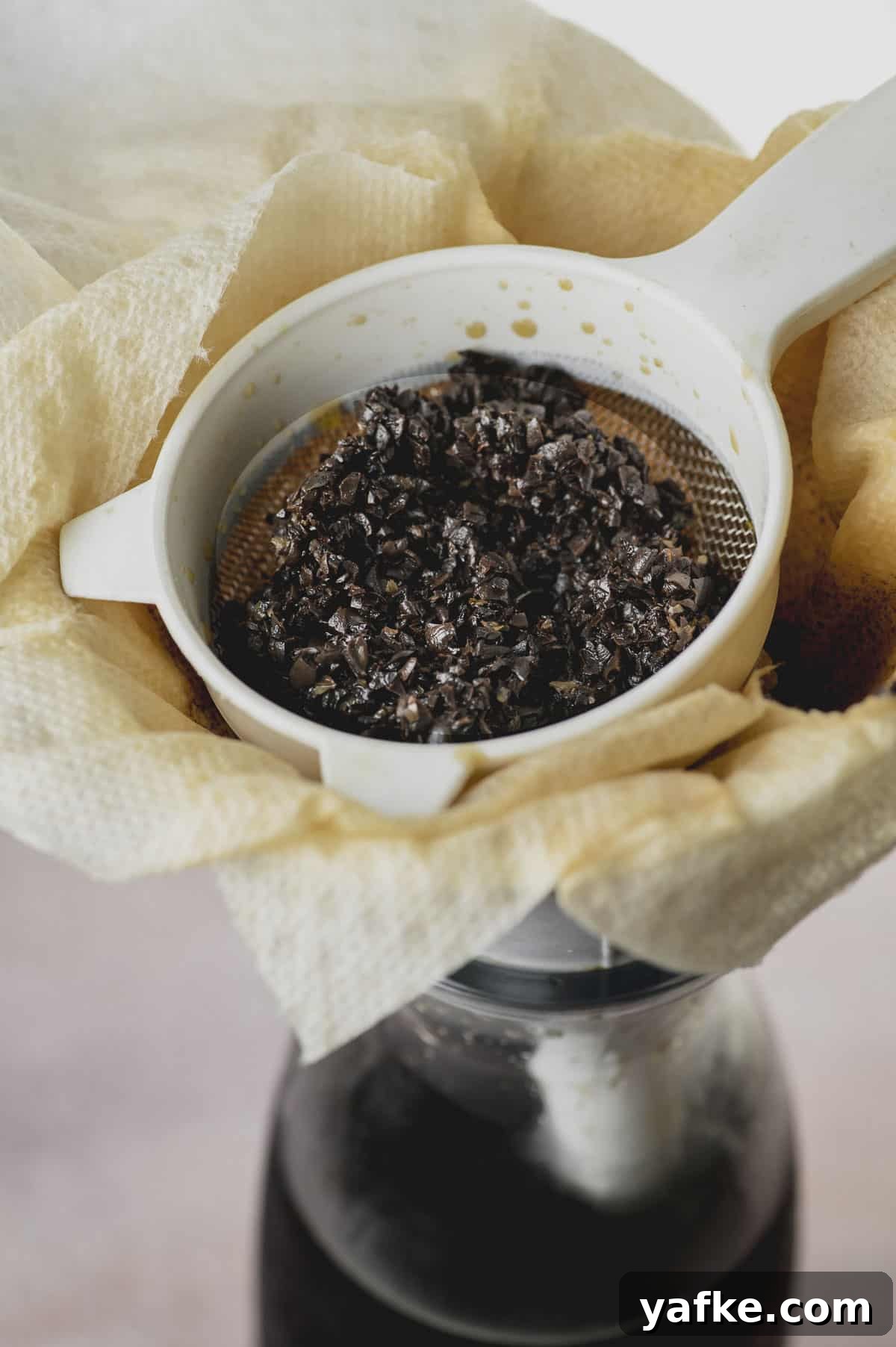
You don’t need specialized equipment to make cold brew. Common options include a large pitcher, a French press, or a mason jar. Whatever container you use, plan to strain the grounds with a fine mesh sieve lined with cheesecloth, a coffee filter, or a clean paper towel to remove sediment. A funnel helps when transferring the finished brew into bottles or jars for storage.
Ingredients for Cold Brew Coffee
Cold brew requires only two ingredients: coffee and water. For best results use coarse ground coffee beans — the coarse grind minimizes over-extraction during the long steep. If possible, buy high-quality beans and have them ground coarse at the shop, or grind whole beans at home on the coarsest setting of your grinder. Once brewed, you can add milk, plant-based milk, creamer, or sweeteners to taste.
How to Make Cold Brew Coffee
Making cold brew is straightforward. Combine coarse ground coffee and room-temperature water in a large container, stir to ensure all grounds are wet, cover, and refrigerate for 18 to 24 hours. After steeping, strain the liquid through a fine mesh strainer lined with cheesecloth or a paper filter to remove grounds. Transfer the strained coffee to a clean pitcher or bottle and keep it chilled. Serve over ice and dilute to taste if you prefer a milder cup.
The Cold Brew Ratio
A common starting point is a 1:4 ratio of coffee to water (one part coffee to four parts water). That produced a balanced brew for us — strong enough to enjoy on its own or to mix with milk. If you prefer a milder drink, add extra water or milk before serving. Adjust the ratio to find your preferred strength.
How to Make a Cold Brew Concentrate
If you want a concentrated batch to keep in the fridge, use a stronger ratio such as one cup of coarse grounds to two cups of water. Steep for about 24 hours and strain well. Store the concentrate chilled and, when serving, dilute it with an equal part of water or milk and pour over ice. Taste and adjust the dilution to your liking.
Alternative Method: French Press
A French press makes cold brew simple because it combines steeping and coarse-filtering in one vessel. Add grounds and water, steep in the refrigerator, then press down slowly to separate the grounds. Transfer the liquid to a bottle for storage or serve directly over ice.
Take Cold Brew to the Next Level with These Variations
- Add your favorite creamer, dairy milk, or plant-based milk for a creamier texture.
- Top with whipped cream or a dairy-free whipped topping for an indulgent finish.
- Sweeten with syrups, chocolate or caramel sauce, or a drizzle of date caramel to introduce new flavor layers.
- Pour cold brew over ice cream for a cold affogato-style dessert.
Cold Brew Coffee Recipe Tips
- The ideal coffee-to-water ratio depends on personal taste; start with 1 cup coffee to 4 cups water and adjust from there.
- Use filtered or bottled water for the cleanest flavor if your tap water tastes strongly chlorinated or mineral-heavy.
- Coarse grind is essential — fine grounds will over-extract and make the brew gritty or bitter.
- Freshly ground beans yield the best aroma and flavor. If possible, grind beans shortly before steeping.
- Freeze leftover cold brew in ice cube trays to chill drinks without diluting them.
FAQ
Why make cold brew coffee?
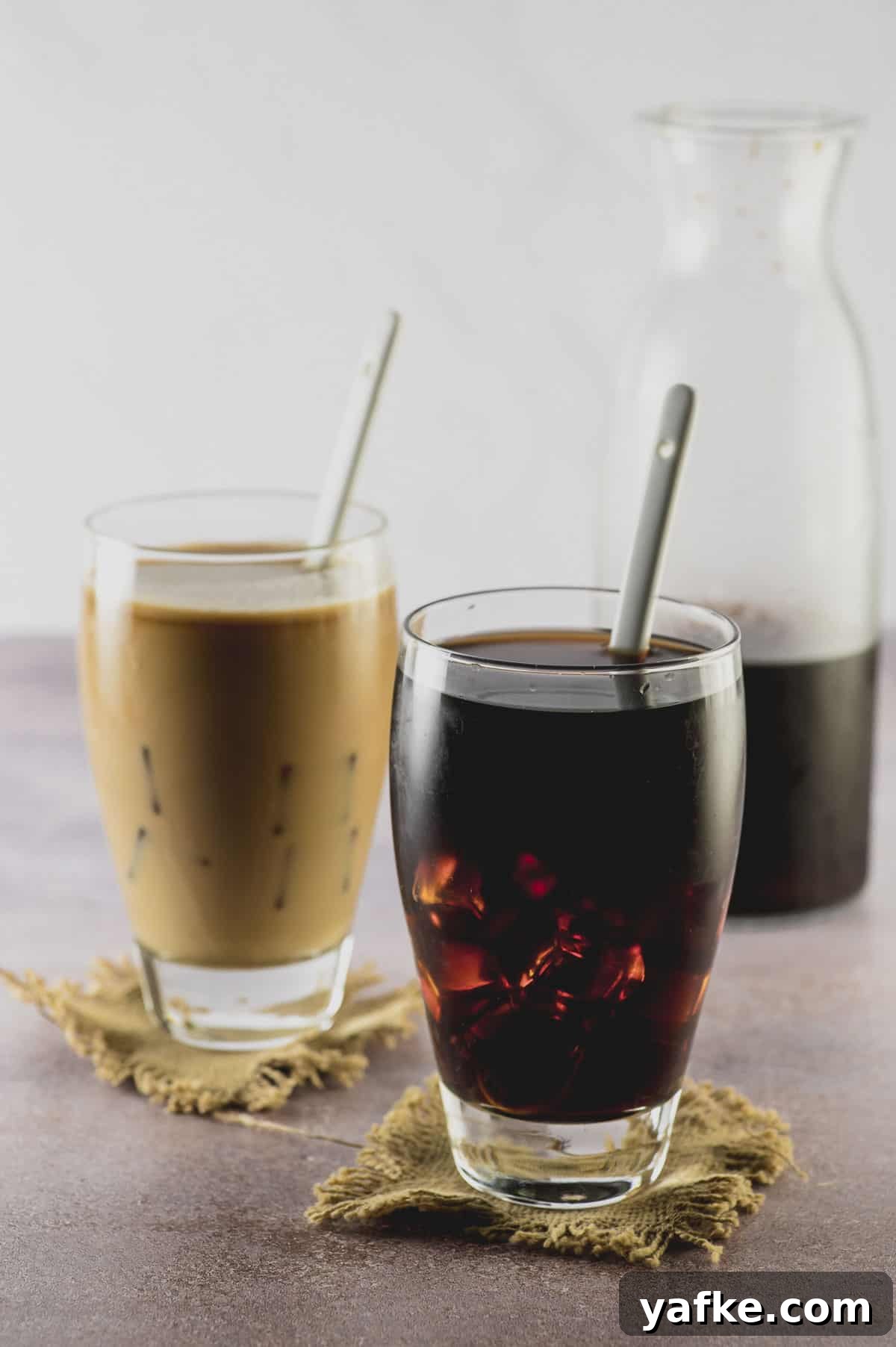
Cold brew is ideal when you want a chilled, refreshing coffee that’s smooth and less acidic than hot-brewed coffee. It’s a convenient way to have ready-to-drink coffee in the fridge for busy mornings or warm weather.
Best coffee for cold brew?
Choose a high-quality bean you enjoy drinking. Many people prefer medium to dark roasts for cold brew, but lighter roasts can also make bright, fruity cold brews. Always ask for a coarse grind if you don’t grind at home.
What is the perfect ratio of beans to water?
There’s no single perfect ratio — it’s personal. We found 1 cup of coffee to 4 cups of water works well. Start there and tweak the ratio until the strength matches your taste.
Other Non-Alcoholic Summer Drinks You May Like
- Date-Sweetened Raspberry Lemonade
- Rosewater Lemonade
- Jalapeño Mint Lime Iced Tea Spritzer
- Homemade Cold Brew
- Pina Colada Agua Fresca
- Golden Milk Ice Cream Float
- Nectarine Lemonade
- Strawberry Agua Fresca
- Watermelon Limeade
If you try this cold brew method, please leave a rating or comment to share how it turned out and any variations you enjoyed. If you have questions or want ingredient swaps, leave a comment and we’ll help.
Recipe Summary
- Title: How to Make Cold Brew Coffee
- Total Time: 18–24 hours
- Yield: About 5 cups (adjust scale as needed)
- Diet: Vegan-friendly (before adding dairy)
Ingredients
- 1 cup coarse ground coffee of your choice
- 4 cups room-temperature bottled or filtered water
Instructions
- Combine coarse coffee and water in a large pitcher or jar at a 1:4 ratio. Stir to ensure all grounds are saturated.
- Cover and refrigerate or leave at room temperature for 18–24 hours. If left at room temperature, do not exceed 24 hours; otherwise refrigerate while you wait to strain.
- Strain the mixture through a fine mesh sieve lined with cheesecloth or a paper filter into a clean pitcher. Repeat filtering if you see fine sediment.
- Store the strained cold brew in the refrigerator and use within two weeks. Serve over ice and dilute to taste with water or milk.
Notes
- Adjust strength by changing the coffee-to-water ratio or by diluting the concentrate when serving.
- Use fresh, coarse-ground beans for the cleanest flavor.
- Try freezing some concentrate in ice cube trays to chill drinks without dilution.
- Common tools for cold brew include a large pitcher, French press, or mason jar; strain with cheesecloth or a paper filter for clarity.
This post was originally published in 2017 and has been updated with new images and clearer steps.