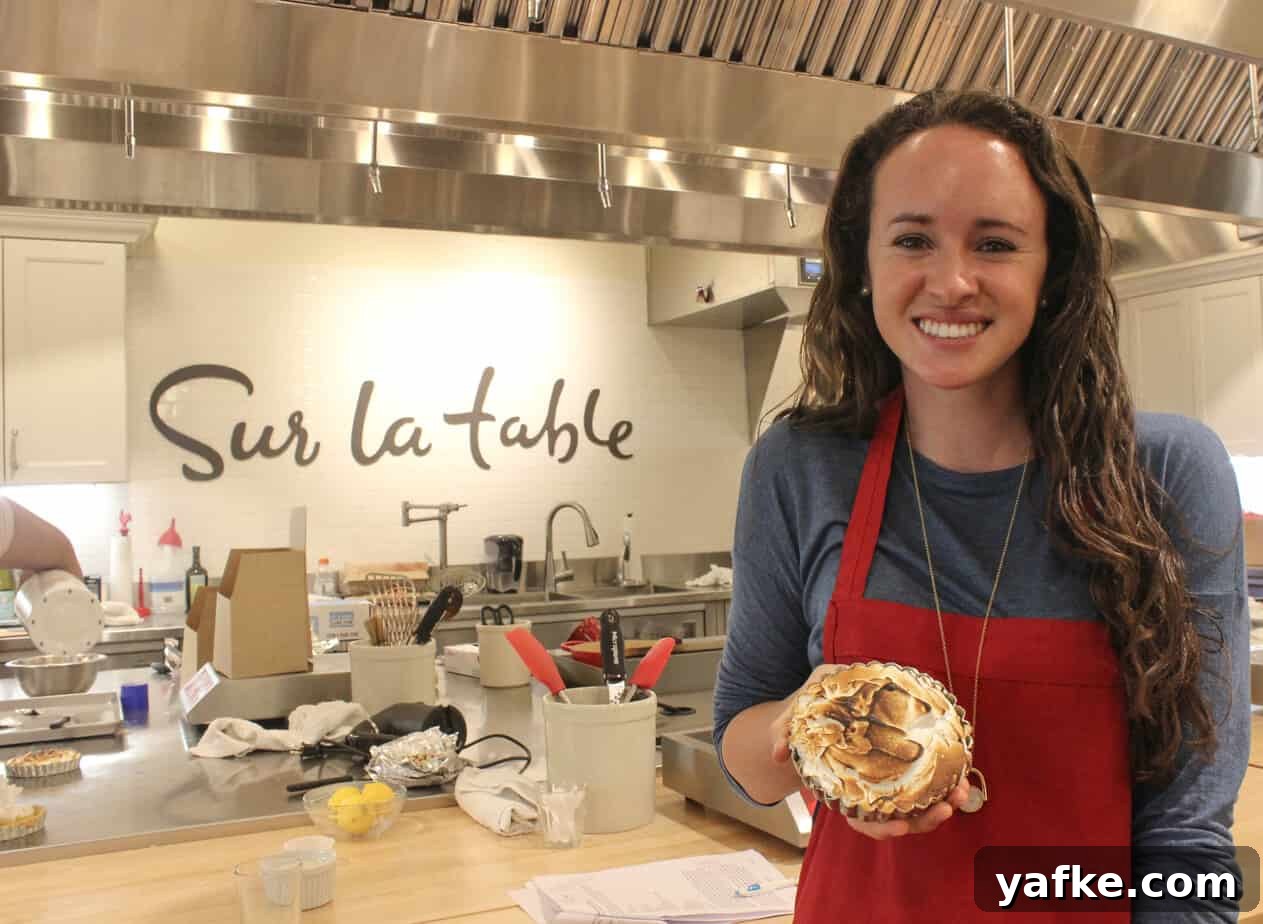
My mom and I both love cooking and had long wanted to take a class together. Yesterday morning we finally did it at Sur La Table, where they were offering a discount on select classes, so we signed up for their Perfect Pie class.
My mom has taught me most of what I know about cooking — from versatile vegetable preparations to savory dishes and many desserts — but neither of us had much experience making pies, especially homemade pie crust. We wanted something a little outside our comfort zone, so we chose pie. 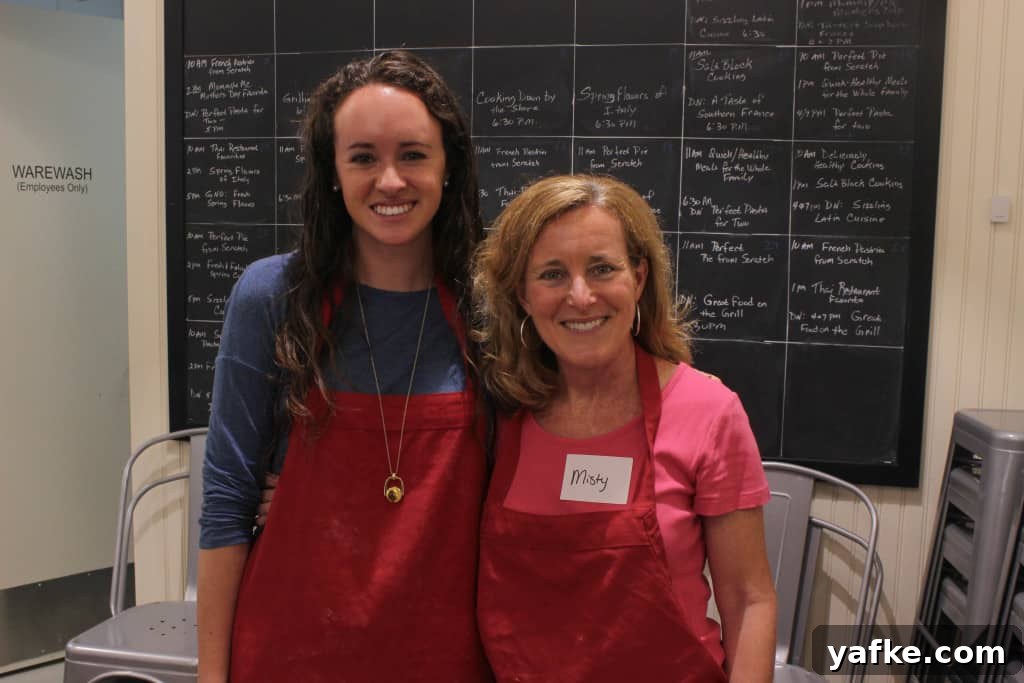
I’ll summarize the class and share what we learned about making pies, especially how to get a flaky pie crust. The two-and-a-half-hour session covered three items: flaky pie dough, strawberry rhubarb pie, and individual lemon meringue pies.
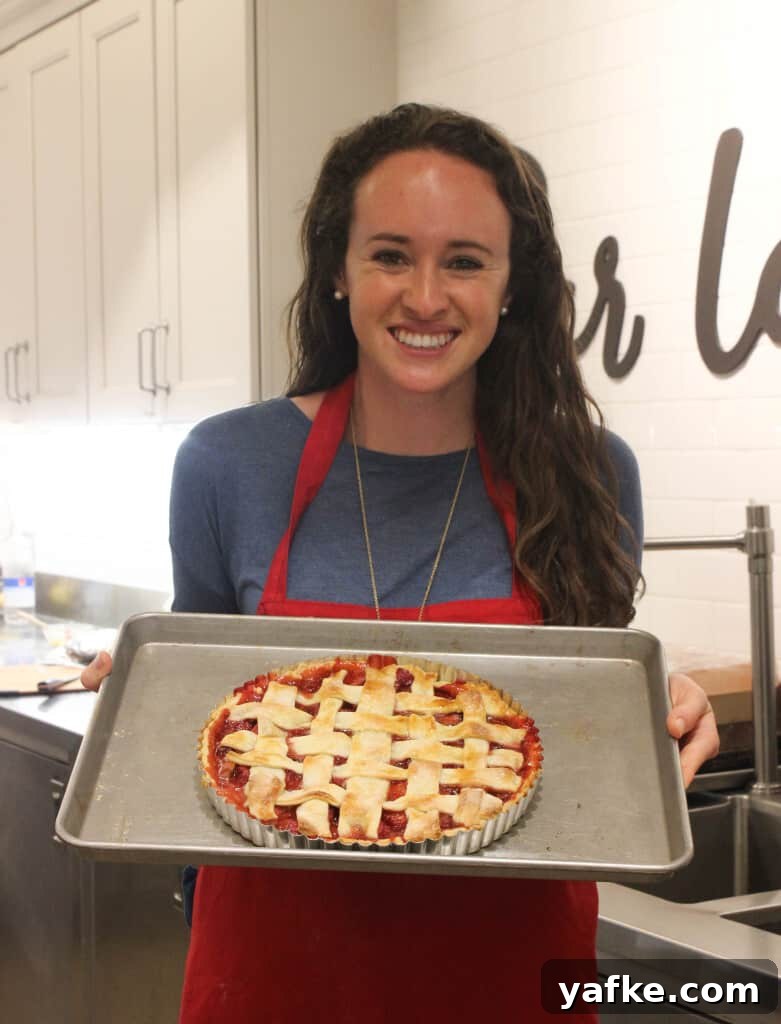
The finished strawberry rhubarb pie
The kitchen was spacious and full of useful tools, which made the experience even more enjoyable. Each class has eight students split into two teams of four; my mom and I worked with two other women. I did find it a bit odd that four people shared the workload for one large pie and four minis — it felt like too many for a hands-on class, given the price point. Still, the group was friendly and we divided tasks, though pairs would probably be a better setup for a mother-daughter outing or date night. 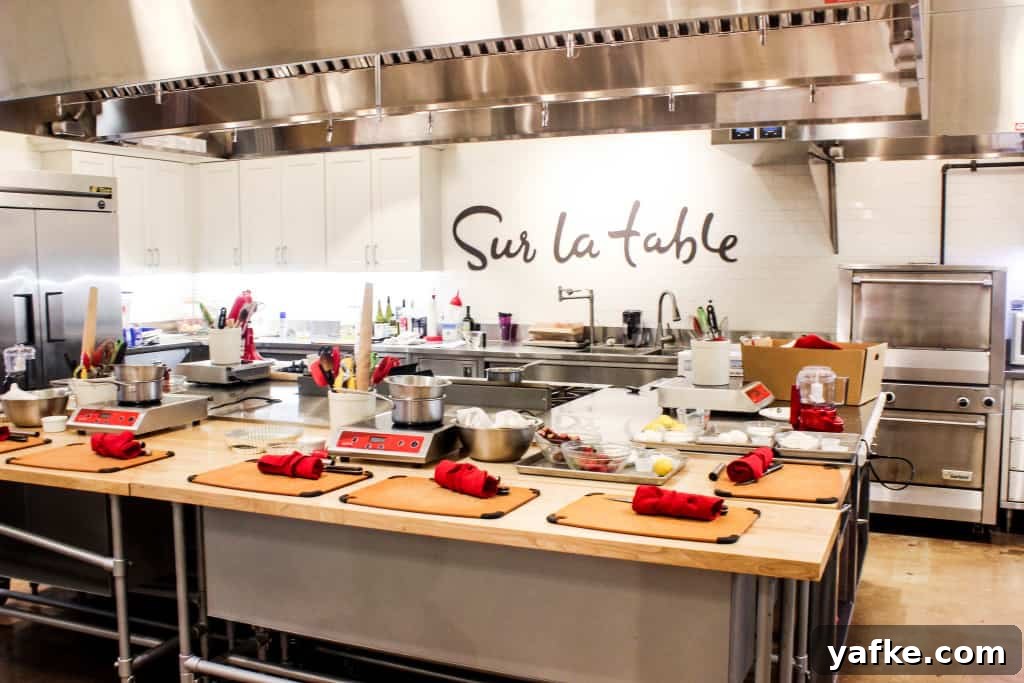
The Class
We started with the strawberry rhubarb pie. This was my first time working with rhubarb. We chopped fresh strawberries and rhubarb for the filling. The instructor explained that rhubarb releases a lot of liquid, so this filling required a bit more cornstarch than typical berry pies. The filling ingredients were strawberries, rhubarb, sugar, cornstarch, lemon juice, vanilla bean paste, and a pinch of salt. 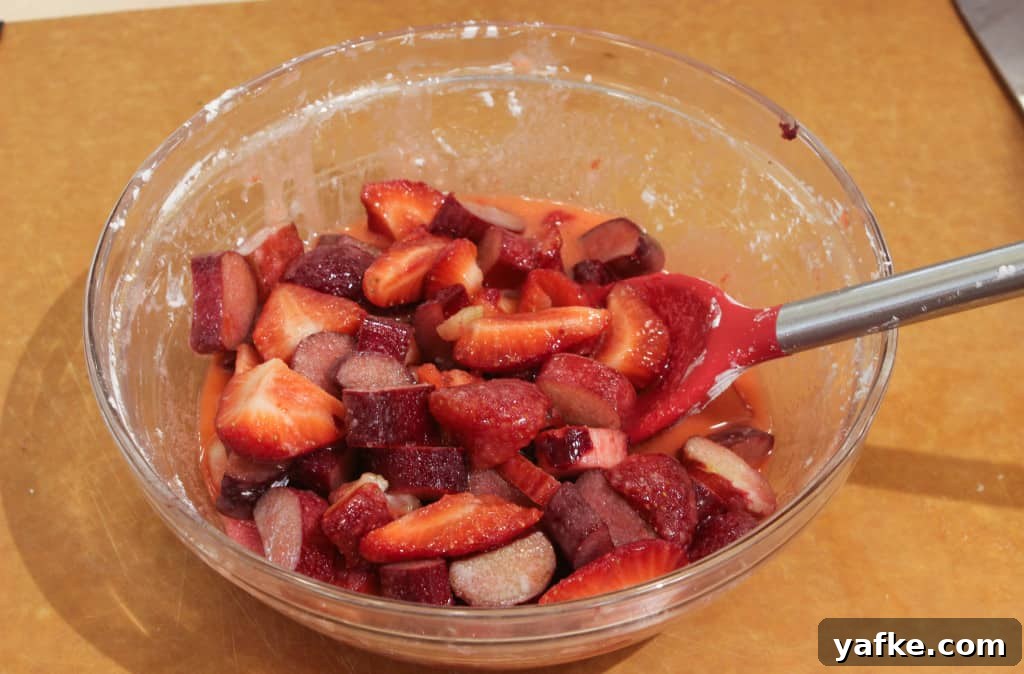
Next we mixed and rolled the dough for both pies. We chilled one batch for the lemon meringue and used a pre-made batch the instructor prepared earlier for the strawberry rhubarb so we could continue without waiting. We rolled the chilled dough, pressed it into tart pans, poured in the filling, and wove a lattice top. Watching someone weave the lattice made it much easier than trying to follow only written directions. 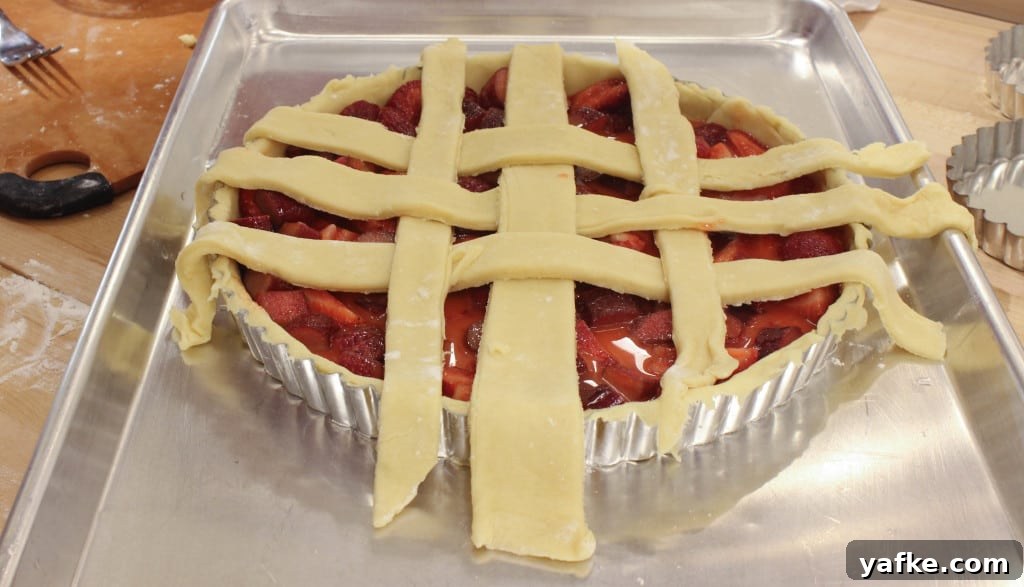
After finishing the lattice, we brushed the crust with egg wash and sprinkled granulated sugar on top for color and crispness. Then the pie went into the oven. 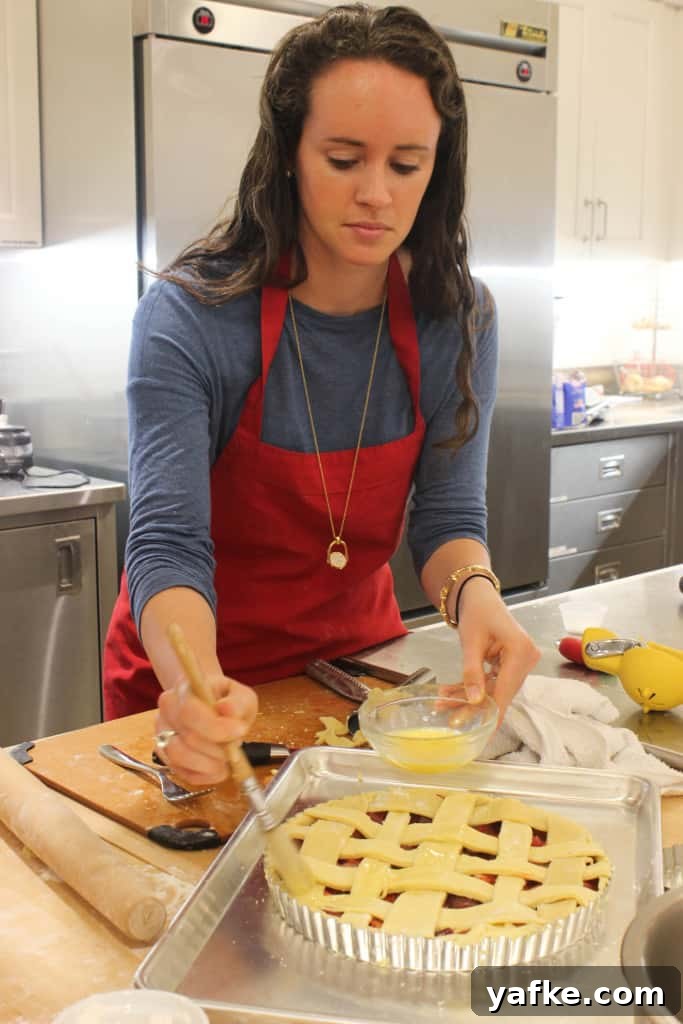
While that pie baked, we made individual lemon meringue tarts. We rolled out the dough from the refrigerator, pressed it into mini tart pans, and par-baked the shells with pie weights. We prepared lemon curd over a double boiler, filled the shells, baked them briefly, and then topped each tart with meringue. The chef finished the meringue with a blowtorch so it had that beautiful toasted look. That step was one of my favorite moments from the class. 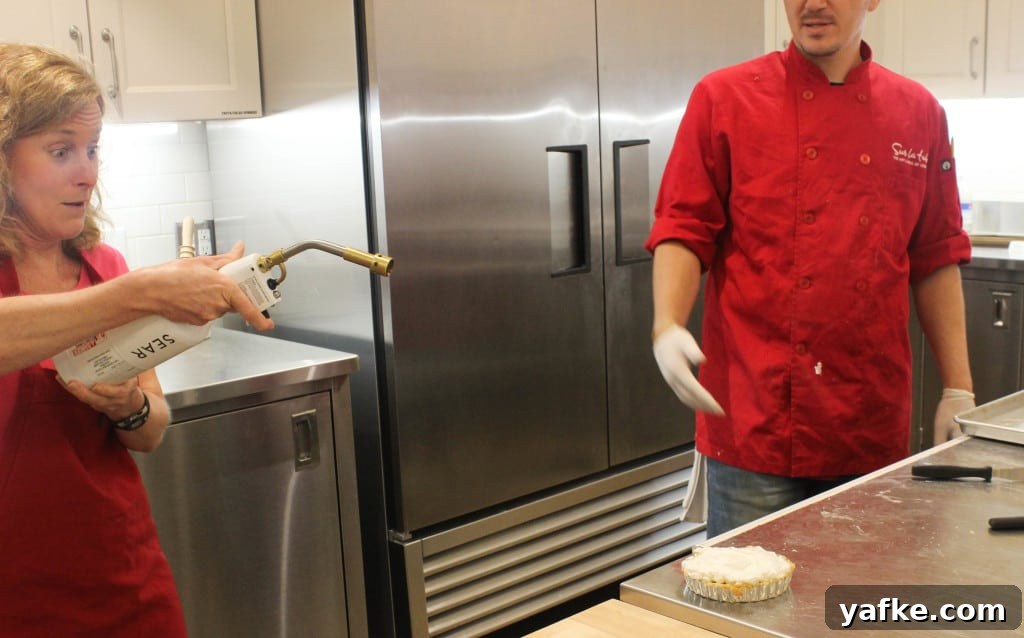
I took home my little lemon meringue tart. The strawberry rhubarb pies were still slightly warm at the end of class, so most people couldn’t take theirs home, which was disappointing. The instructor had prepared pies earlier, though, so we sampled small slices. The lemon meringue was tasty, but the strawberry rhubarb pie with fresh vanilla-bean whipped cream was outstanding. 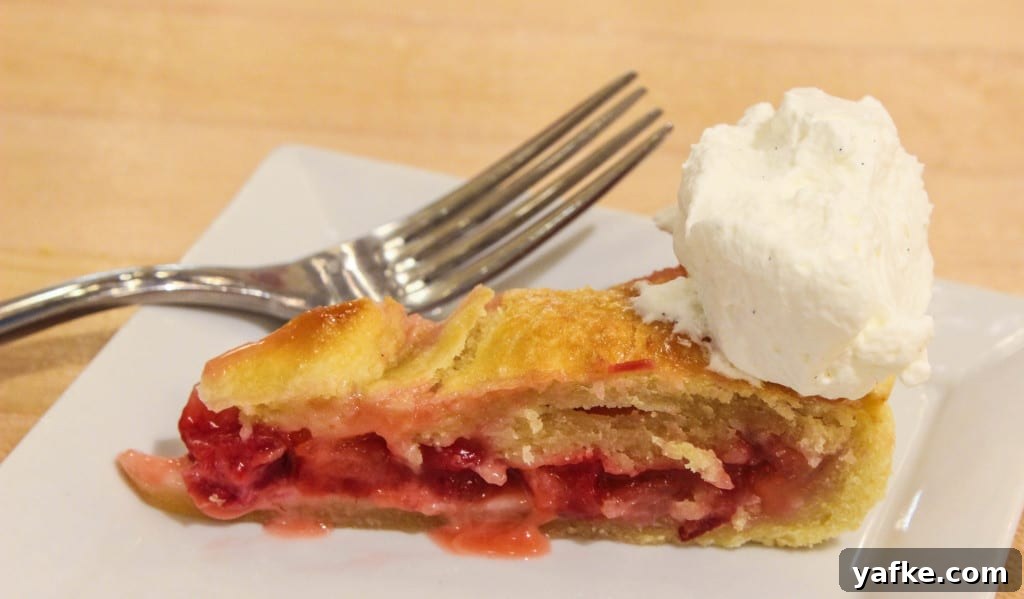
My mom and I waited a bit after class and managed to bring a piece of our actual strawberry rhubarb pie home for my dad and brother, along with our mini lemon meringue pies. Overall, the class was a fun mom-daughter activity for a rainy day. I wouldn’t pay full price for it, but I’d recommend the experience if you can get a deal or don’t mind working in a small group of strangers. I learned a lot about pie technique and I’m excited to try making pies at home this summer.
Tips we learned for making perfect pies
- Use high-butterfat butter for the best flavor and flakiness. The instructor recommended a rich butter rather than shortening, and emphasized that proper technique with butter — keeping it cold and not overworking the dough — produces excellent flaky crust.
- Keep the butter cold throughout the process. Small pockets of cold butter in the dough create flakiness when they melt in the oven. If the butter becomes fully incorporated, the crust can turn mealy or tough.
- A food processor makes quick work of cutting butter into flour while keeping ingredients cold, but a fork or pastry blender also works. The dough should resemble pea-sized crumbs when you’re done.
- Par-bake crusts when the filling is already cooked, such as lemon curd. Raw fillings that bake in the oven, like apple or strawberry-rhubarb, don’t require par-baking.
- When par-baking, dock (poke) the crust a few times, cover it with foil, and add pie weights or dried beans. Press the foil into the crust so it can’t bubble up.
- Use tart pans for easier removal and to avoid fussing over decorative edges. Place tart pans on a baking sheet in case the filling leaks.
- If the top crust browns too quickly, tent it with foil to protect it while the filling finishes cooking.
- Let pies cool at least 30 minutes before slicing to achieve cleaner slices and better presentation. Cream pies benefit from several hours or even overnight chilling when possible.
So tell me…
What’s your favorite type of pie? Mine: banana cream or chocolate pecan. Do you prefer ice cream or whipped cream on pie? I’d usually pick ice cream for warm fruit pies, but the vanilla-bean whipped cream we tasted in class was delightful. Do you have any pie-making tips to share?