
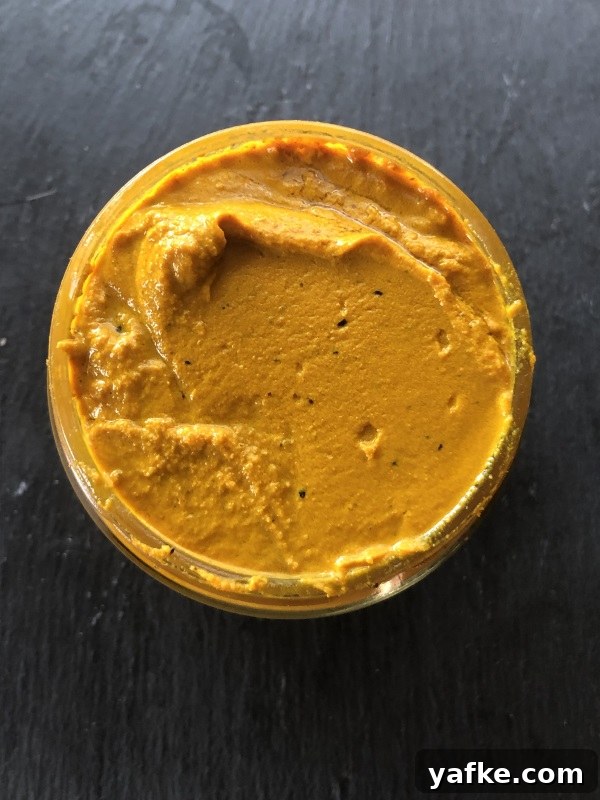
Turmeric golden paste is a time-honored, natural remedy often used to ease pain and reduce inflammation. Simple to prepare at home, it can support healing for both people and pets when used appropriately. This easy recipe uses just a few common ingredients and a short cooking time, making it practical to keep on hand.

With only turmeric, water, black pepper and coconut oil, this golden paste is accessible and affordable. You can find these ingredients at most grocery stores. The paste blends into foods and drinks, or can be used topically in traditional applications.
Uses for Golden Turmeric Paste
Golden turmeric paste is widely used to soothe sore joints and muscles, and many people apply it for arthritis or overused limbs. Turmeric has a long history of traditional use in South Asia for supporting inflammation, digestion and skin care. The addition of black pepper improves absorption of turmeric’s active compounds, while a healthy fat like coconut oil helps carry those compounds into the body.

We use this paste with our dogs: mixed into their food it becomes a tasty, nourishing addition. For example, combining the paste with a little warm water creates a gravy that many pets enjoy. As with any supplement, consult your veterinarian before adding new items to a pet’s diet.
How to Make Golden Turmeric Paste
Below is a straightforward method for making a thick turmeric paste that stores well in the refrigerator. The finished texture should be similar to a thick nut butter, making it easy to scoop and mix into meals.
Ingredients
- 1/2 cup turmeric powder
- 1.5 cups water (adjust to desired consistency)
- 1.5 teaspoons black pepper
- 3 tablespoons coconut oil
Directions
- Measure the water and turmeric into a small saucepan and whisk to combine.
- Heat over low to medium-low heat, stirring frequently to prevent sticking.
- Continue to cook and stir until the mixture reaches the consistency of peanut butter. If desired, add a little more water for a thinner paste.
- Remove from heat and stir in the black pepper and coconut oil until fully incorporated.
- Transfer the paste to a glass storage jar, using a spatula to scrape the saucepan clean.
- Allow the paste to cool before sealing and refrigerating.
Variations and Tips
The recipe is intentionally simple to retain traditional benefits. You can substitute another cooking oil for coconut oil, but note the texture will differ—coconut oil can solidify and give a firmer paste. If you prefer a looser paste, increase the water up to 2 cups while cooking. Never omit the black pepper: it helps your body absorb turmeric’s active components.
Ways to Use the Paste
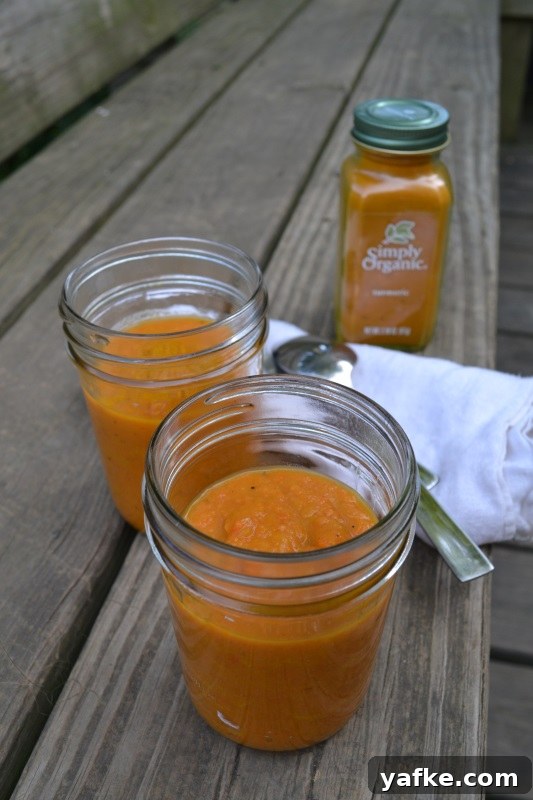
Add a spoonful to soups, stews, pasta, smoothies or marinades. It pairs especially well with root-vegetable soups and broths. The paste also works as a topical balm in traditional use, but test it on a small skin area first to check for sensitivity.
Storage and Yield
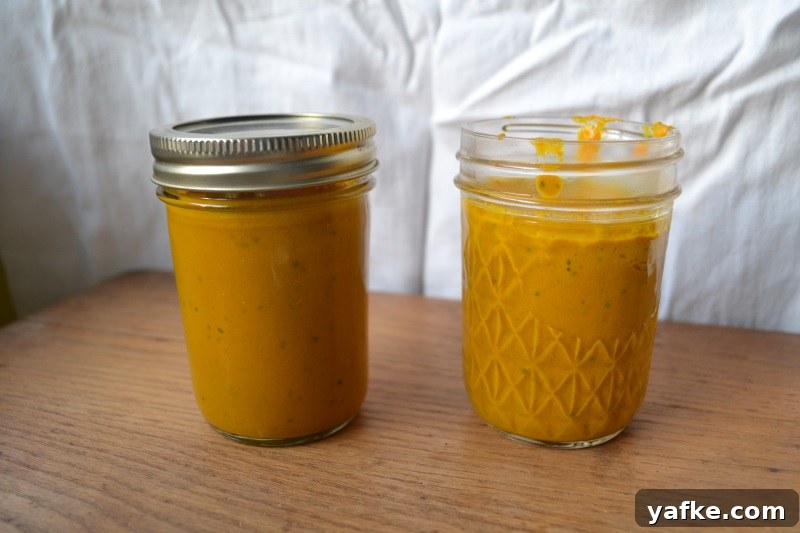
Store turmeric golden paste in a covered glass jar in the refrigerator for up to two weeks. Because turmeric is a potent natural dye, it will stain plastic containers and utensils—use glass and stainless steel when possible. This recipe yields approximately 64 one-teaspoon servings, though exact yields vary with consistency and portion size.
Recommended Portions
- Adults and large dogs: 1 teaspoon
- Teens and smaller dogs: 1/2 teaspoon
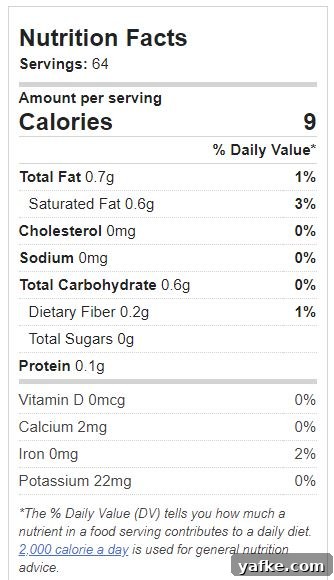
Approximate Nutrition (per 1 tsp serving)
Calories: 9; Fat: 1 g; Carbohydrates: 0.5 g; Protein: 0 g. These values are approximate and will vary based on exact ingredients used.
Recipe Notes
Store the paste covered in the refrigerator for up to two weeks. Stir into food or drinks to help manage soreness and support comfort. As with any traditional or over-the-counter treatment, consult your doctor or veterinarian before adding it to your regular routine.
About the Author and Social Profiles
If you try this recipe, feedback is welcome. You can reach out via email at noel @ ApronFreeCooking.com or share photos on social platforms. Social profiles include Facebook, Pinterest, Twitter (@ApronFreeCook), Yummly and Instagram.
This post may contain affiliate references. Commissions, if earned, help cover the cost of maintaining the site and do not add extra cost to you.