
When There Is Hope… with a 4D Heart
This post was created in collaboration with HireInfluence on behalf of BIOLIFE4D. I received compensation for participating in the campaign, but all thoughts and opinions are my own.
Last year, two friends of mine suffered the unthinkable: they lost their children. As a parent, that pain is indescribable—children should never die before their parents. The grief never fully fades, and that reality is part of why innovations in cardiac care matter so deeply.
BIOLIFE4D is working on an extraordinary approach: 3D bioprinting a human heart from a patient’s own cells for transplant. Their goal is to give people a renewed chance at life, especially children and young adults born with serious heart conditions.
Jack’s Story
Jack Radandt was born with Hypoplastic Left Heart Syndrome, a rare congenital defect that disrupts normal blood flow through the heart. His treatment began when he was just ten days old, and he underwent a series of major surgeries before turning three.
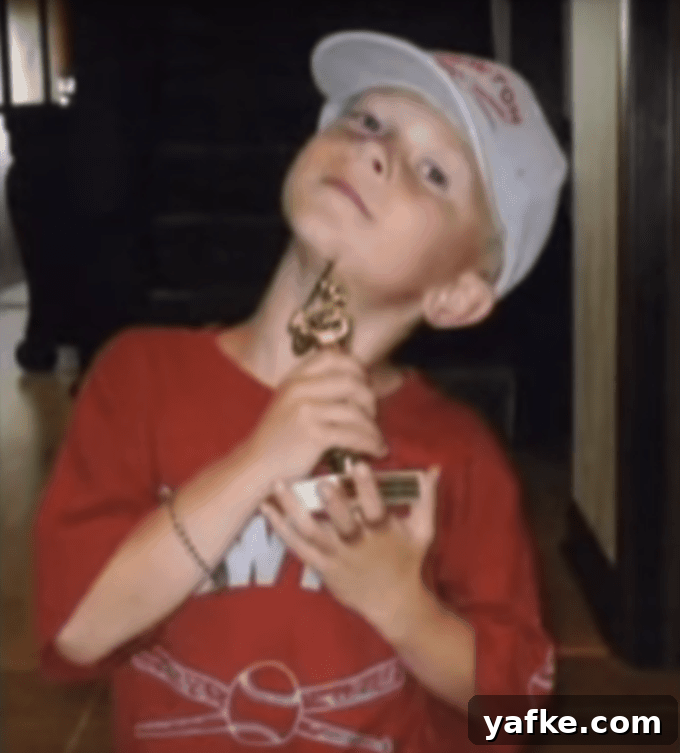
After those early procedures, Jack recovered well. He adapted to the physical limitations imposed by his condition and excelled socially and academically. He enjoyed karate, zip-lining, snorkeling on a Make-A-Wish trip to Hawaii, and he loved baseball.
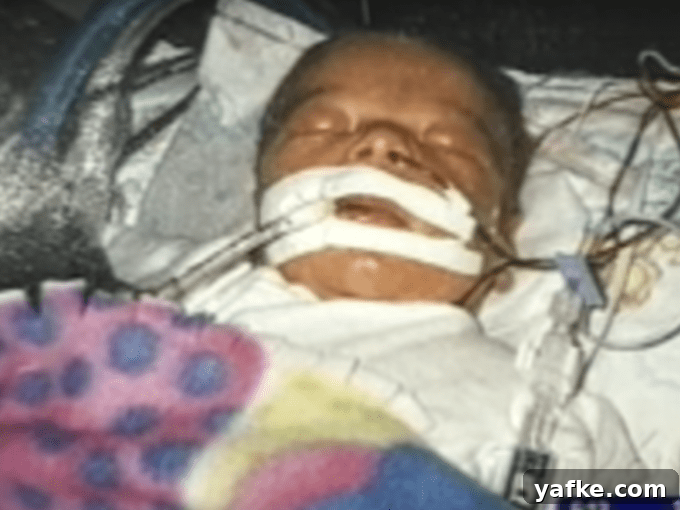
When Jack was 11, his heart began to fail. He was admitted to the Cardiac Intensive Care Unit at Children’s Hospital of Wisconsin. After two months of trying different medications and therapies, his medical team decided that he needed a mechanical assist device: a Heartware Ventricular Assist Device (HVAD). This implantable pump supports blood flow in patients with weakened hearts and is often used as a bridge while waiting for a donor heart. In Jack’s case, he became the first single-ventricle child in the U.S. to receive an HVAD.
Jack was also the first child with a single ventricle to go home with an HVAD—another milestone. At home he began to thrive: he gained weight, grew taller, and returned to school. Three months after he was discharged, Jack received the life-changing call that a donor heart was available. He had the transplant and went home 11 days later. Eventually he was able to join the basketball team, something he had been unable to do before.

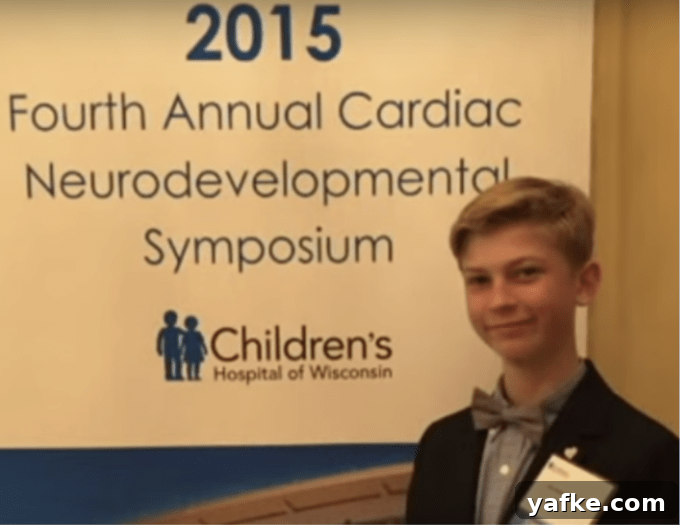
Now a teenager, Jack is strong, charismatic, and passionate about supporting new medical technologies that can save lives. He advocates for research and investment into solutions that may help children and adults like him.
Why 3D Bioprinting Matters
Not every story ends as positively as Jack’s. That gap is why companies like BIOLIFE4D pursue advanced technologies such as 3D bioprinting of human heart tissue. Heart disease remains a leading cause of death worldwide, and the shortage of donor organs is a persistent challenge. While only a limited number of heart transplants occur each year, hundreds of thousands of patients wait for life-saving organs.
Bioprinting aims to change those statistics by creating organs that are compatible with a patient’s immune system, potentially reducing rejection and increasing the number of transplants available. This technology is moving from the realm of science fiction into practical scientific progress.
BIOLIFE4D and similar teams are documenting their advances with videos and educational materials to explain the process and highlight the potential impact.
Small Acts, Big Impact
Beyond research and investment, simple acts of kindness matter. I encourage families to help children think of others and to brighten someone’s day with a handmade card or a note.

If you’d like to send cards to hospitalized children, one option is Texas Children’s Hospital. Address your mail to:
Texas Children’s Hospital
Attn: Volunteer Services, 6621 Fannin, Suite A125
Houston, TX 77030
Share your cards and stories on social media with the hashtag #BL4DActsofHeart to help raise awareness of both patient needs and the research that aims to improve outcomes for people with heart disease.
How You Can Help
There are several ways to support progress in cardiac care: send encouraging cards to patients, raise awareness about the shortage of donor organs, and consider supporting regulated funding opportunities for companies developing bioprinting and regenerative medicine technologies.
Everything we do can matter. A simple greeting card can lift someone’s spirits. Supporting and sharing advances in medical research can extend lives and give families more time together. Join the movement—create a card, share it with #BL4DActsofHeart, and encourage others to support the work that brings hope to patients and families like Jack’s.