
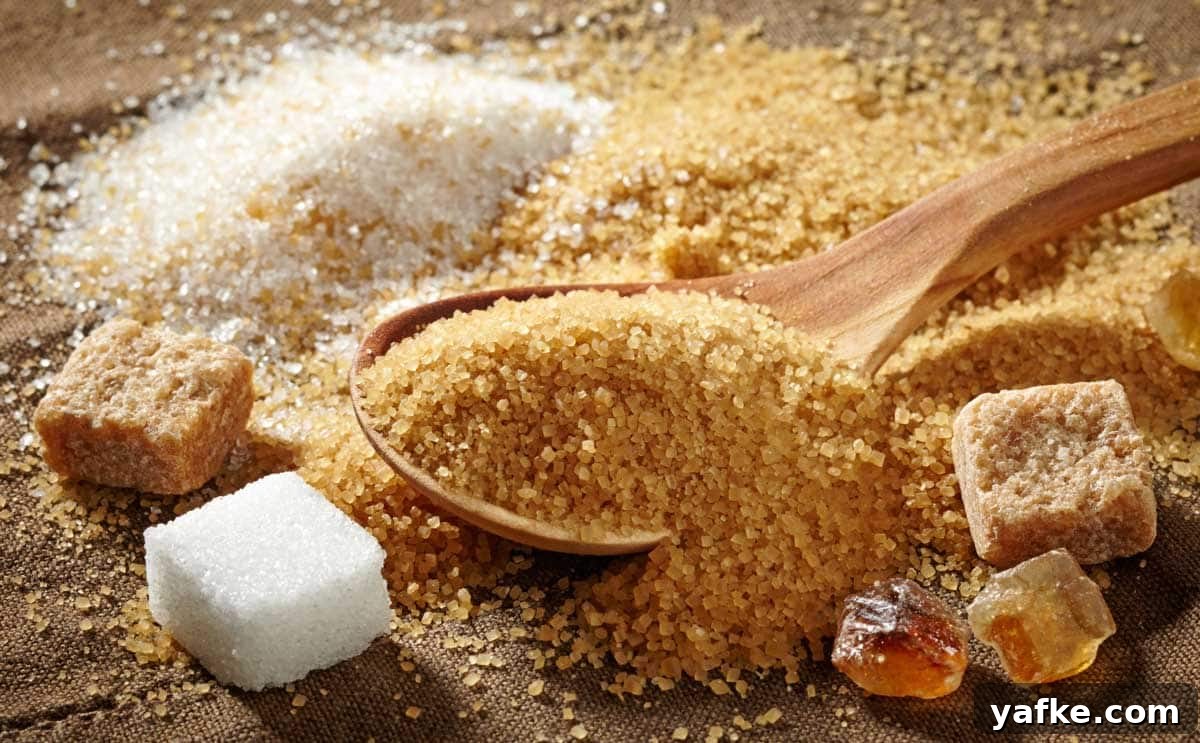
Sugar is more than just sweetness — it’s a functional ingredient that changes flavor, texture and appearance in both cooking and baking. Choosing the right sugar can make the difference between a good dish and a great one. This guide explains common types of sugar and how to use them effectively in your kitchen.
The variety of sugars available ranges from plain granulated sugar used for everyday baking to specialty sugars that add distinctive flavors and textures. Understanding each sugar’s properties helps you get consistent results, whether you’re making pancakes, cookies, sauces or preserves.
The importance of sugar in cooking and baking
Knowing how sugar behaves gives you more control over recipes. Here are the main roles sugar plays:
Flavor enhancement: Sugar provides sweetness and balances acidity or bitterness, rounding out flavor in both sweet and savory dishes.
Caramelization: When heated, sugar browns and develops complex, nutty flavors and appealing color — essential in sauces, custards and roasted items.
Texture improvement: In baked goods, sugar tenderizes crumb structure, helps retain moisture, and contributes to a pleasant mouthfeel.
Preservation: High sugar concentrations reduce available water, slowing microbial growth and extending the shelf life of jams, jellies and preserves.
Leavening support for yeast doughs: Sugar feeds yeast, promoting fermentation and contributing to rise and flavor development in breads.
Appearance: Sugar encourages browning, adds shine in glazes, and can create a sparkling finish on pastries.
Emulsification and stability: Sugar can help stabilize mixtures in some sauces, creams and frostings, preventing separation and improving texture.
Common types of sugar and how to use them
Below are frequently used sugars and practical tips for choosing the right one for a recipe.
White granulated sugar
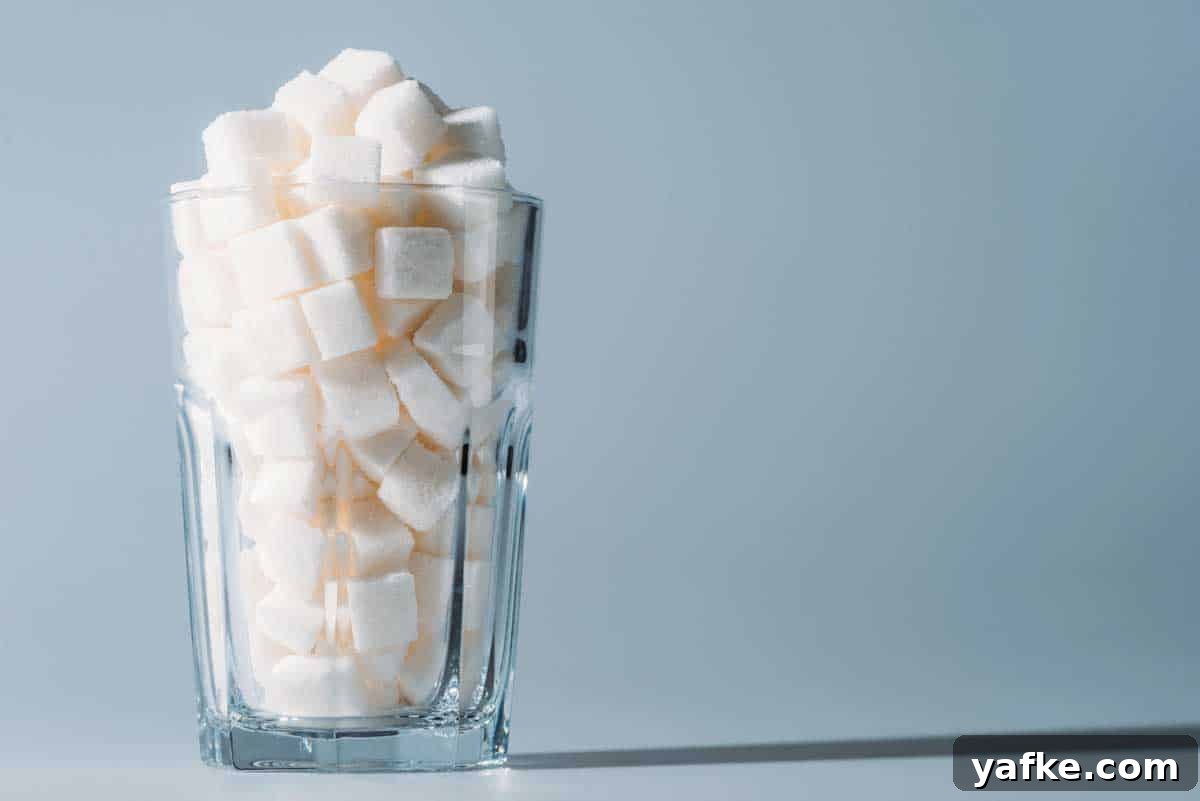
White granulated sugar is the standard sweetener for most recipes. Its medium-sized, uniform crystals dissolve easily, making it ideal for cakes, cookies, sauces and beverages. When creamed with butter, it helps create air pockets, contributing to light, tender baked goods. It also melts smoothly for sauces and glazes, providing neutral sweetness without altering other flavors.
- Versatile and widely available — the go-to choice for most baking and cooking needs.
- Neutral flavor and predictable performance in recipes.
Brown sugar
Brown sugar is granulated sugar combined with molasses, available in light and dark varieties. Light brown sugar adds mild caramel notes and moisture, while dark brown sugar contributes deeper, more pronounced molasses flavor. Both types lend chewiness and richness to cookies, cakes and sauces. Use light brown for subtle sweetness in oatmeal or cookies; use dark brown when you want a robust, molasses-forward flavor in gingerbread, marinades or barbecue sauces.
- Light brown: milder, subtler molasses flavor.
- Dark brown: richer, more pronounced molasses notes and color.
Powdered sugar
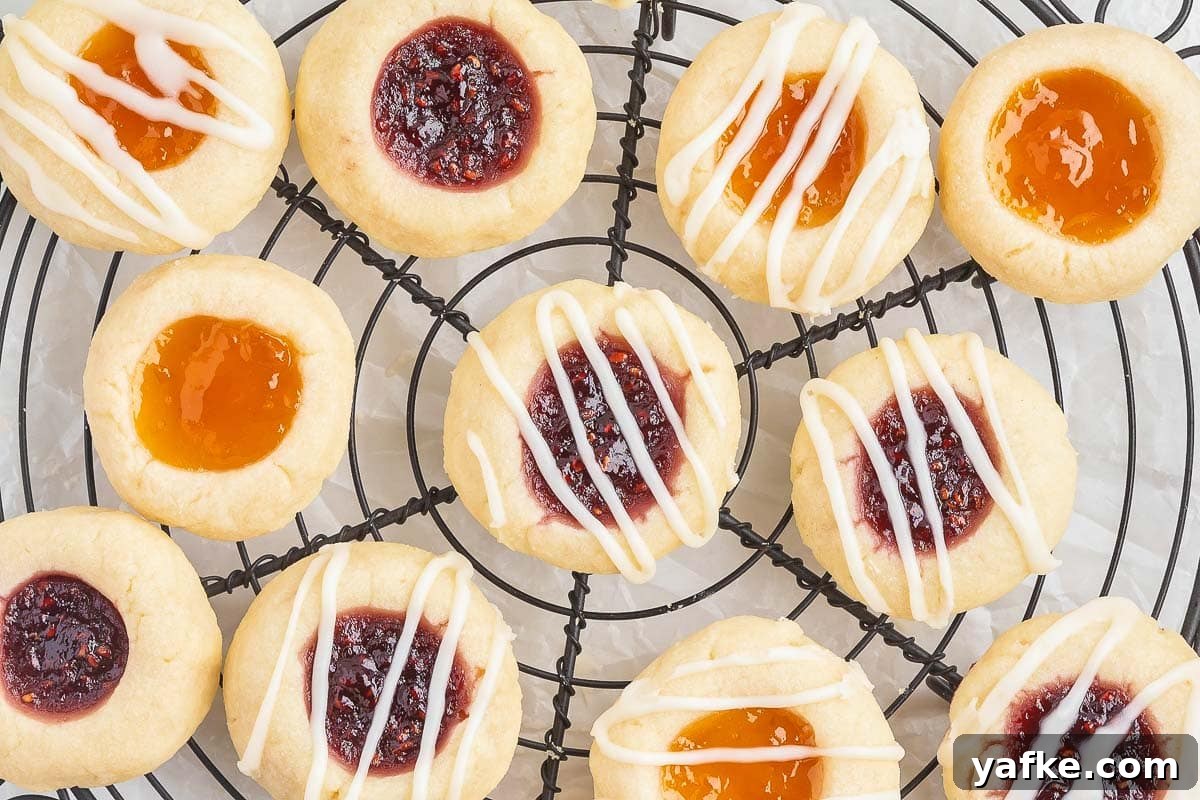
Also called confectioners’ or icing sugar, powdered sugar is finely ground granulated sugar blended with a small amount of cornstarch to prevent clumping. Its silky texture dissolves instantly, making it perfect for icings, buttercreams, glazes and dusting finished desserts. Because it lacks distinct crystals, it’s not suitable for creaming with butter when structure is needed, but it excels in delicate, melt-in-the-mouth cookies and smooth frostings.
- Best for frostings, glazes, and dusting desserts.
- Produces tender, delicate textures in cookies and confections.
Superfine (caster) sugar
Superfine sugar, sometimes called caster or baker’s sugar, has smaller crystals than regular granulated sugar and dissolves very quickly. It’s ideal for recipes that require a smooth texture or rapid dissolution, such as meringues, syrups, cocktails and delicate cakes. When a finer mouthfeel is desired or when sugar must dissolve in cold liquids, superfine sugar is the better choice.
- Finer crystals than granulated sugar for faster dissolution.
- Favored in meringues, sauces and beverages where smooth texture matters.
Raw sugars (Turbinado, Demerara)
Raw sugars like turbinado and demerara retain more natural molasses and have large, coarse crystals with a light golden color. They’re often used as finishing sugars to add crunch and a subtle caramel note to baked goods, breads, and toppings. Raw sugars can also enhance sauces, spice rubs and beverages where a bit of texture and depth of flavor is welcome.
- Large crystals add crunch and a mild molasses flavor.
- Best used as a finishing touch or in recipes that benefit from texture.
Coconut sugar
Made from the sap of coconut palm trees, coconut sugar offers a caramel-like flavor reminiscent of brown sugar. It’s often used as a natural alternative to refined sugars and works well in many baking and cooking applications. Coconut sugar behaves similarly to brown sugar in recipes and can provide a richer flavor profile in cakes, cookies and desserts.
- Natural sweetener with caramel notes, similar in sweetness to brown sugar.
- Suitable for a variety of baked goods and cooked desserts.
Liquid sweeteners
Liquid sweeteners include honey, maple syrup and agave nectar. Each has a distinct flavor and consistency, so they’re chosen to complement specific dishes:
- Honey: Floral and complex, honey works well in baked goods, dressings, marinades and beverages.
- Maple syrup: Rich and toasty, maple shines on pancakes, waffles, glazes and many desserts.
- Agave nectar: Sweeter than sugar with a mild flavor and a low glycemic index, agave is often used as an alternative sweetener in drinks and baked goods.
Different sweeteners offer unique flavors and functional properties. For cocktails and syrups, bartenders and home cooks often mix sugars and liquid sweeteners to achieve the right balance of sweetness and mouthfeel. For example, a simple syrup made with raw sugar lends a pleasant caramel note that pairs well with many drinks.
In short, sugar is a versatile ingredient that affects taste, texture and appearance. Choosing the right type — from common granulated sugar to specialty and liquid sweeteners — helps you tailor recipes to your desired outcome and elevate everyday cooking and baking.
Jere Cassidy is a recipe developer who shares approachable baking recipes and kitchen tips. Her work focuses on practical recipes for home cooks and bakers at all skill levels. Outside the kitchen, she enjoys traveling to discover new foods and culinary traditions.