
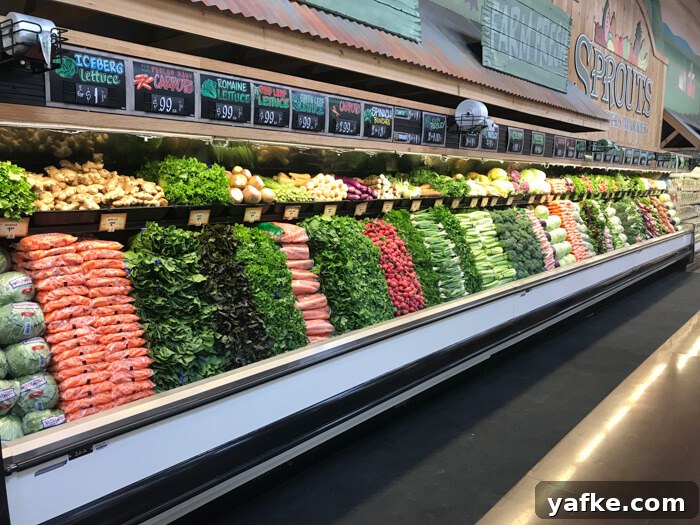
This post is sponsored by Sprouts Farmers Market.
Plant-based eating has become increasingly popular, but what does a plant-based diet really mean? The term is often used alongside vegan or vegetarian labels, yet it doesn’t have one strict definition. As a registered dietitian, I describe plant-based eating as a flexible, plant-forward approach: make plants the foundation of most meals while using animal products, if you choose, as accents rather than the centerpiece.
A plant-forward diet centers meals around fruits, vegetables, legumes, whole grains, nuts and seeds.
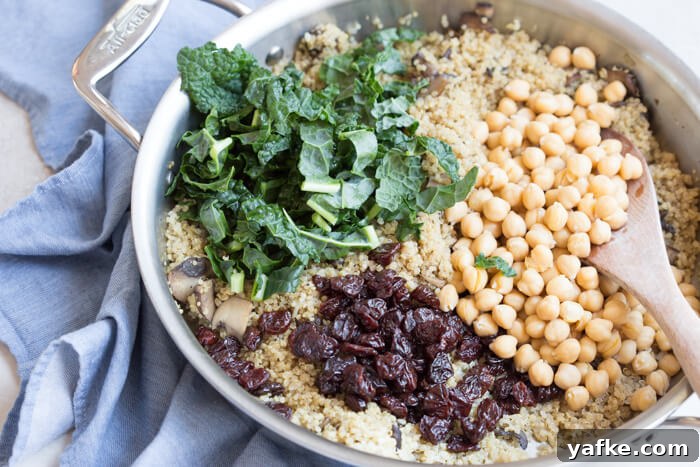
Compose your plate with mostly produce, beans, whole grains, nuts and seeds, and then add smaller portions of animal proteins or dairy if you enjoy them—as toppings, condiments or garnishes. This simple shift in emphasis can have a meaningful impact on health and sustainability, and it can be delicious.
Choosing more plants regularly is linked to lowered risk of diabetes, heart disease and certain cancers, and it can help with weight management.
The benefits come from higher intakes of fiber, vitamins, minerals, heart-healthy fats, antioxidants and phytonutrients found in whole plant foods.
Plant-based diets deliver more fiber, phytonutrients and nutrients that support heart health.
How to Eat More Plant-Based
Start by making produce more than half of each plate and swap some animal fats like butter for mono- and polyunsaturated fats from nuts, seeds and plant oils. If your current fiber intake is low, increase it gradually so your body can adjust. Aim for at least five cups of fruits and vegetables a day and work toward more—some research suggests larger benefits with higher intakes.
Drink plenty of water to support digestion as you add fiber. Committing to one fully plant-based meal, or one plant-focused day per week, can benefit both your health and the environment. When you do include animal proteins, choose lean cuts and consider fatty fish like salmon or tuna a couple of times a week for omega-3s.
Adding vegetables to recipes can also stretch your food budget. Replace up to half the meat in a dish with vegetables or plant proteins such as lentils, mushrooms, cauliflower or walnuts for a satisfying texture and flavor boost.
You don’t have to give up your favorite foods—burgers, tenders and soups can all be made more plant-forward. Try combining ground meats with shredded vegetables in tacos, meatloaves and soups to boost volume and nutrition while keeping familiar flavors.
Practical Ways to Add More Plants
- Mix cauliflower rice with regular or brown rice or try cheesy cauliflower grits.
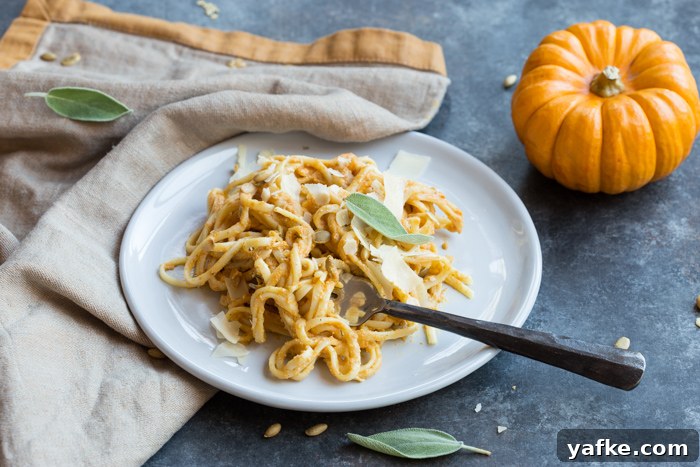
- Add spiralized vegetables to pasta dishes.
- Stir shredded vegetables into salads, burgers and meatloaf.
- Incorporate shredded veggies into waffles, cookies, pancakes and muffins for sneaky nutrition.
- Use sweet potatoes in breakfast recipes like stuffed sweet potato breakfasts or sweet potato waffles.
- Add bell peppers, onions and mushrooms to omelets or savory egg cups.
- Enjoy a hearty salad or grain bowl as a complete meal.
- Boost oatmeal with pureed butternut squash, pumpkin, mashed sweet potato, beets or carrots.
- Top avocado toast with chopped vegetables.
- Blend spinach or cauliflower rice into smoothies for extra nutrients.
- Use soaked cashews as a dairy-free cream substitute in sauces.
Top Plant-Based Protein Sources
- Lentils
- Soy products (edamame, tofu, tempeh)
- Beans and chickpeas
- Dry peas or pigeon peas
- Peanuts, almonds, cashews and other nuts
- Seeds like hemp, chia and pumpkin
Surprising protein-rich plant foods: Many vegetables and whole grains contribute meaningful protein when eaten in larger amounts. Steel-cut oats, spinach, kale, avocado, quinoa, wild rice, potatoes, broccoli, Brussels sprouts, corn and mushrooms all add protein—so pile on the plants and the total protein adds up.

More 100% Plant-Based Family Favorites
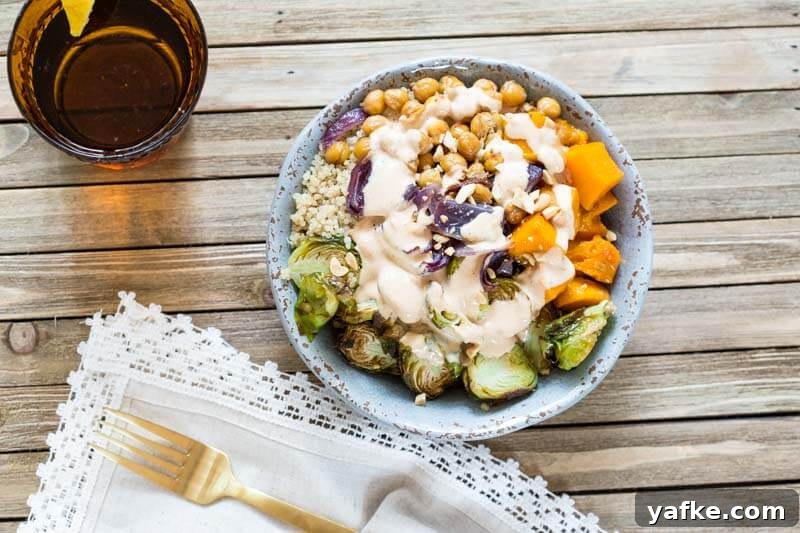
Vegetarian Nourish Bowl
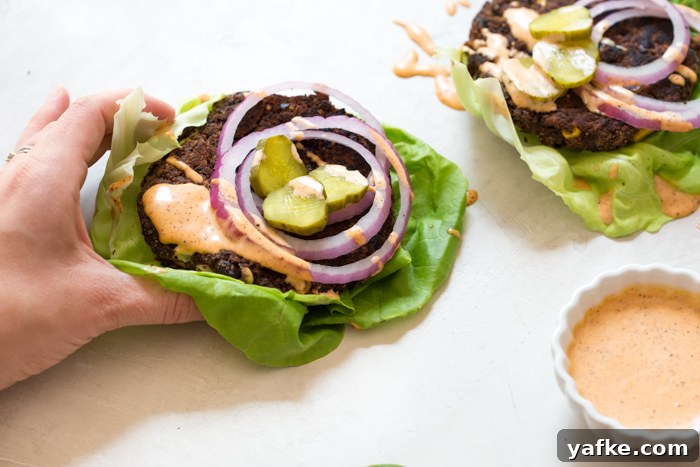
Jalapeño Black Bean Burgers
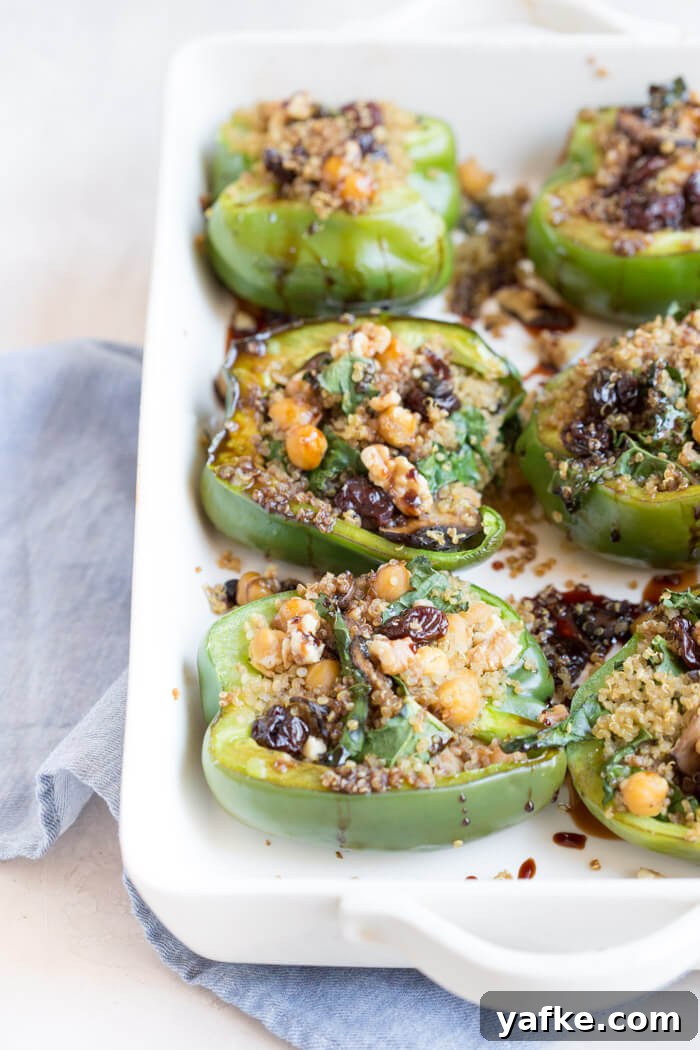
Quinoa Stuffed Peppers
Vegan Sushi Bowls
Vegetarian Tortilla Casserole
Convenience Makes Plant-Based Eating Easier — Your Local Market Can Help
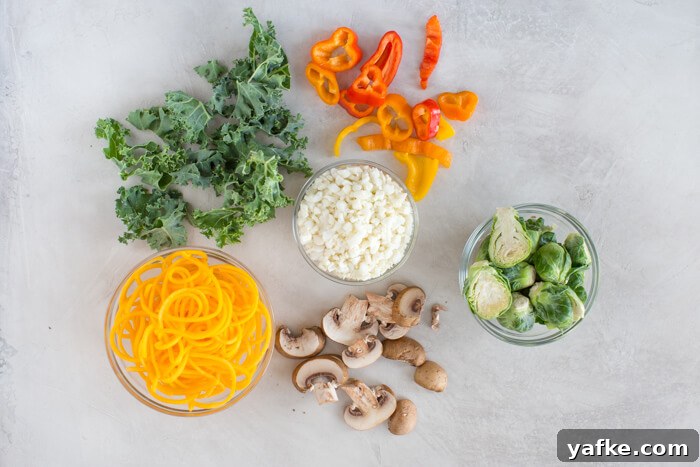
Grocery stores now stock many time-saving plant-based items: spiralized vegetables, riced cauliflower, peeled and cubed squash, plus canned and frozen produce. These options cut prep time and make it easier to build plant-forward meals any night of the week.

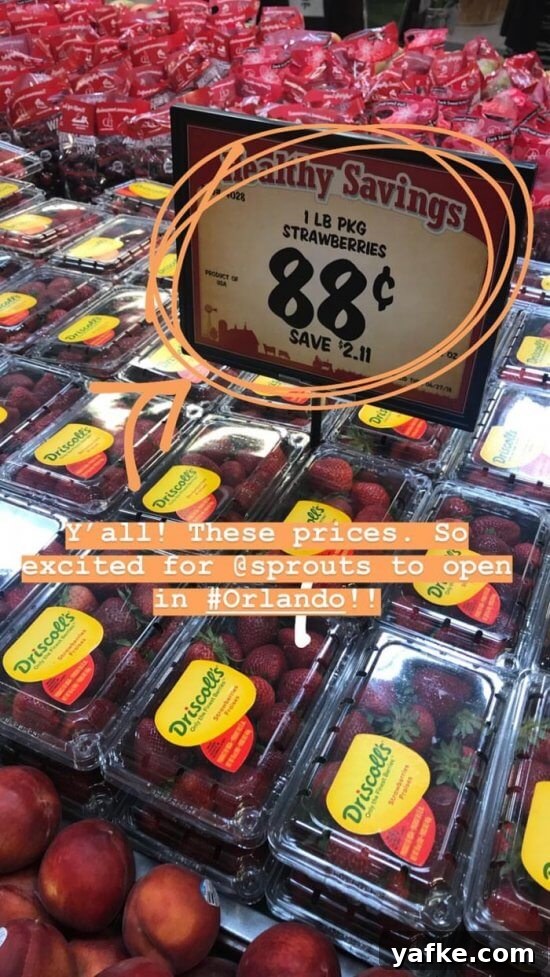
I’m excited to share that I partnered with Sprouts Farmers Market for the Winter Park grand opening on October 24th. Sprouts focuses on natural and organic foods with produce at the center of the store and competitive pricing on fresh produce and their private-label items.
A few months ago I attended a Plant-Based Getaway at Sprouts headquarters to tour stores, meet team members and learn about their plant-based offerings. Their mission sums it up: “We believe healthy living is a journey and every meal is a choice. We love to inspire, educate and empower every person to eat healthier and live a better life.”
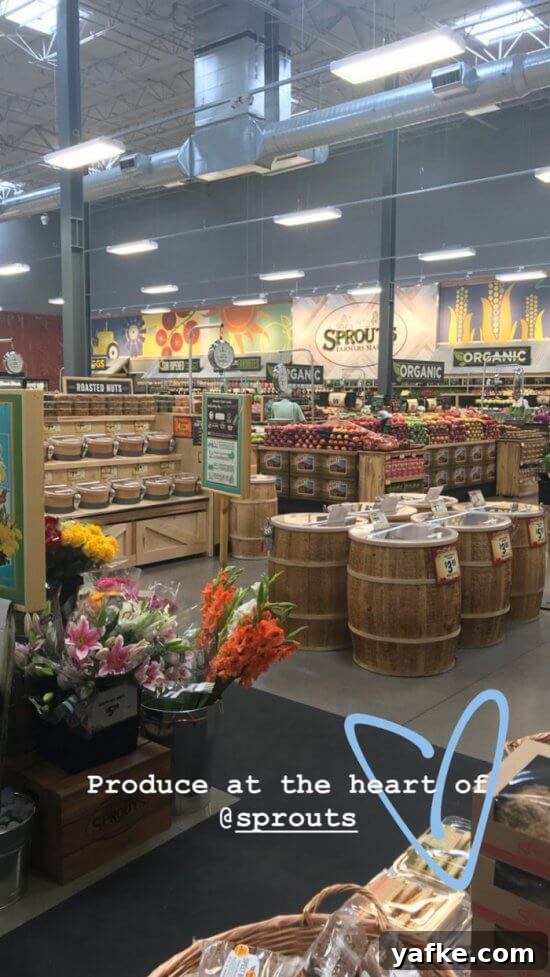
When you walk into Sprouts you’ll notice produce and fresh plant-based options front and center. Their selection makes it easier to plan and prepare plant-forward meals at home.
Join me at Sprouts
If you’d like to preview the store before the grand opening, I will be hosting an in-store cooking demo on Friends and Family Preview Night. Space is limited and I’ll share some favorite Sprouts products and easy plant-based recipes during the demo.