
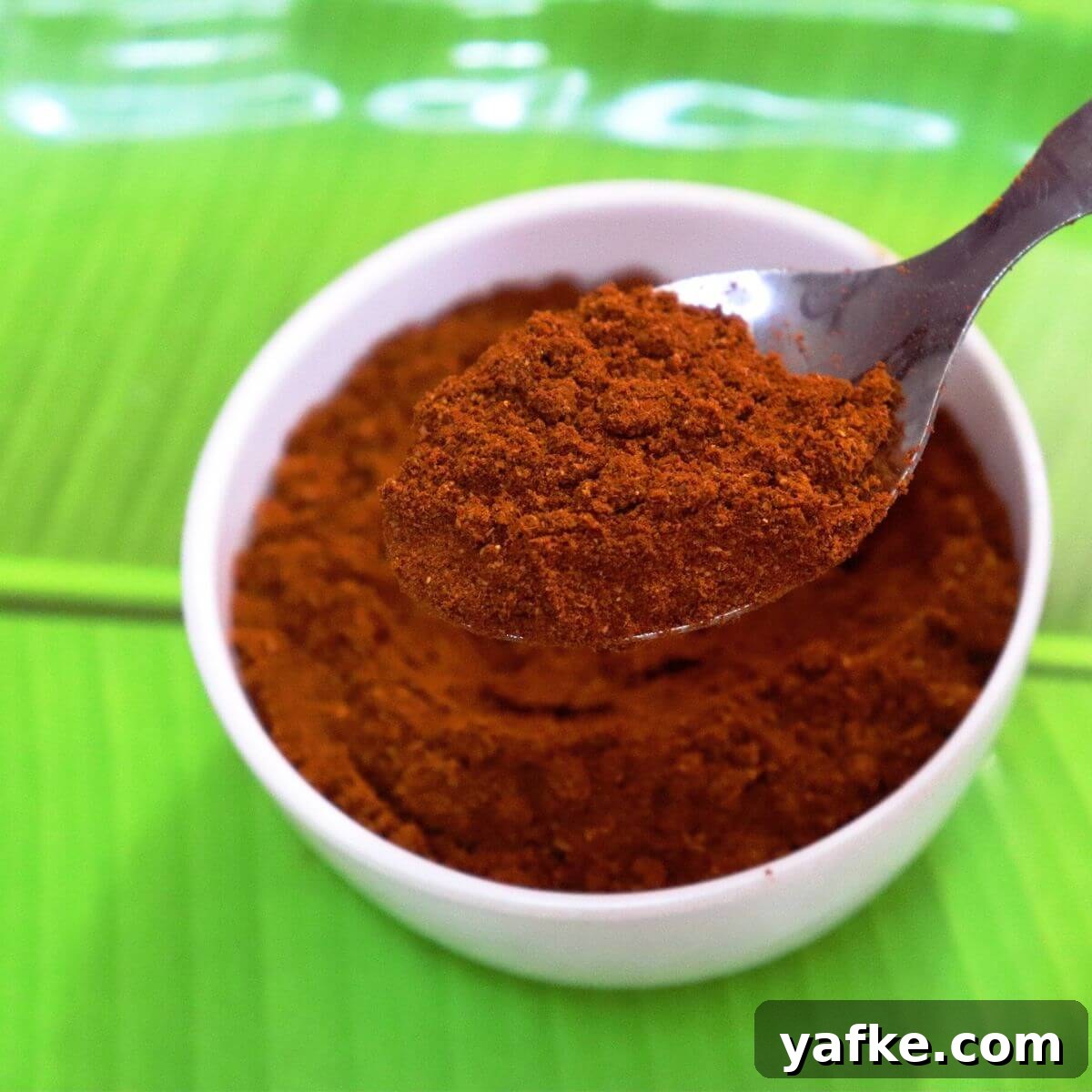
Madras curry powder — a vibrant, spicy blend popular in the UK — traces its name to Madras (now Chennai) in Tamil Nadu, India. This homemade mix brings bold, fiery notes to curries, stews and marinades. Making it from scratch delivers a fresher aroma and allows you to adjust heat and balance to suit your household tastes.
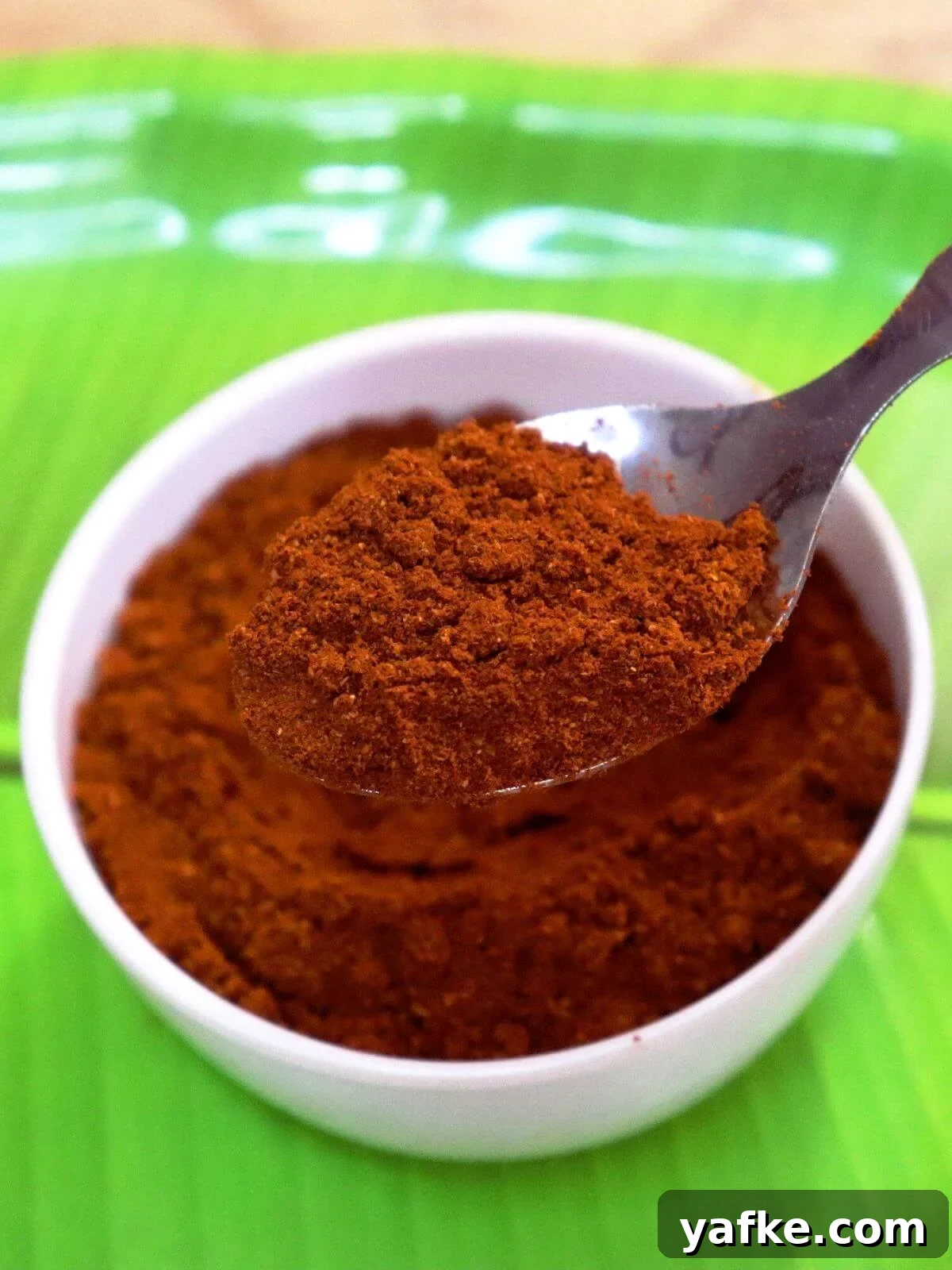
The British introduced packaged curry powders to bring Indian flavors into their kitchens from the 18th century onward. In India, though, cooks more commonly assemble spice mixes fresh for each dish rather than relying on a single commercial curry powder. That said, a homemade Madras curry powder makes a convenient and authentic pantry staple when you want a reliable, spicy base.
Hot Madras Curry Powder
This recipe shows how to prepare a classic Madras curry powder at home. I often use this blend for Madras-style chicken curry: saute onion, ginger, garlic and curry leaves, add chicken, Madras curry powder and a touch of extra chili or cayenne if desired, and finish with coconut milk for a rich, warming dish.
The blend relies on earthy coriander and cumin, warming cloves and cinnamon, fragrant green cardamom and star anise, and the heat from dried red chilies. Toasting the whole spices gently on low heat releases essential oils and deepens flavor — the aroma as they brown is irresistible.
Making your own mix gives you full control: you can tone down cloves or black pepper, increase turmeric for a brighter yellow color, or add hotter chilies for more heat. Stored in an airtight jar in a cool, dry place, this powder stays flavorful for a couple of months.
Related chicken curry ideas you may enjoy: Chicken Masala, Chicken Pathia, Chicken Tikka Masala, Chicken Bhuna Masala, Chicken Balti.
Ingredients Notes
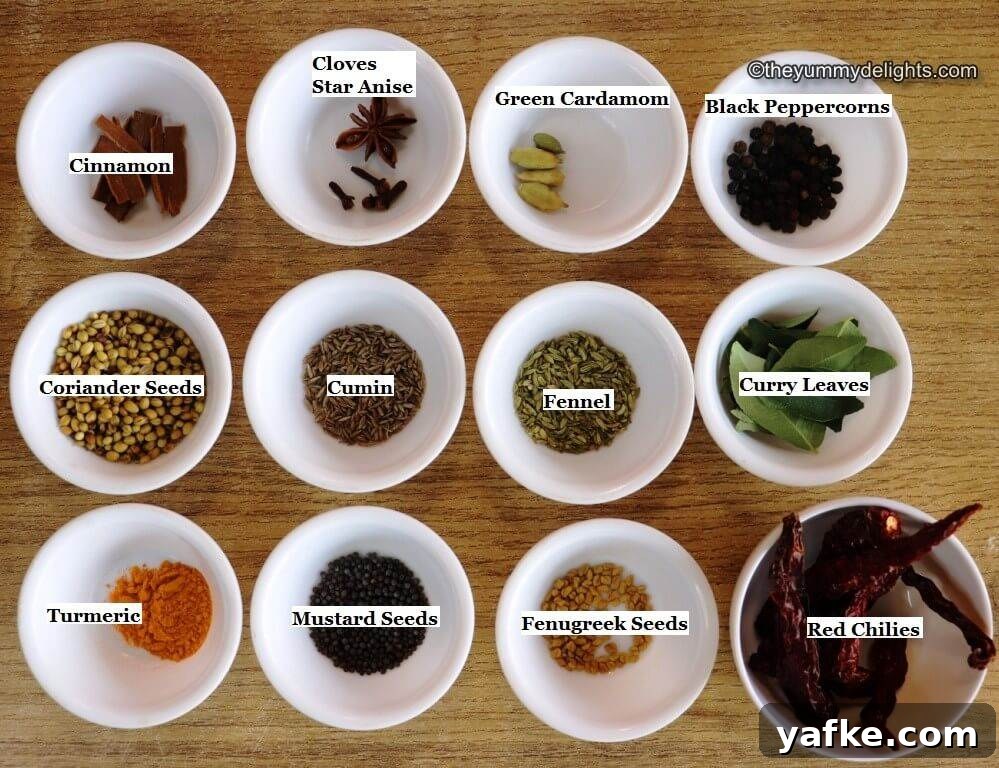
- Whole coriander seeds — the base of most curry powders, aromatic and slightly citrusy.
- Cumin seeds — earthy, warm and savory.
- Fennel seeds — sweet, licorice-like notes that balance heat.
- Black peppercorns — for a sharp underlying heat; reduce for milder blends.
- Green cardamoms — floral and fragrant.
- Star anise — a subtle sweet warmth; use half if large.
- Cloves — very warming; use only 2–3 if you prefer less intensity.
- Cinnamon — sweet, warming backbone to the blend.
- Mustard seeds — add a subtle pungency.
- Fenugreek seeds — aromatic with a slight bitterness; do not increase excessively or the powder can turn bitter.
- Kashmiri red chilies — give a bright red color and moderate heat; substitute with other dried red chilies as needed and adjust quantity to suit spice tolerance.
- Curry leaves — fresh curry leaves add true South Indian flavor; do not skip if you want an authentic profile.
- Ground turmeric — adds color and its gentle earthiness.
See the recipe card below for exact measurements.
How to make Madras Curry Powder (Step-by-step)
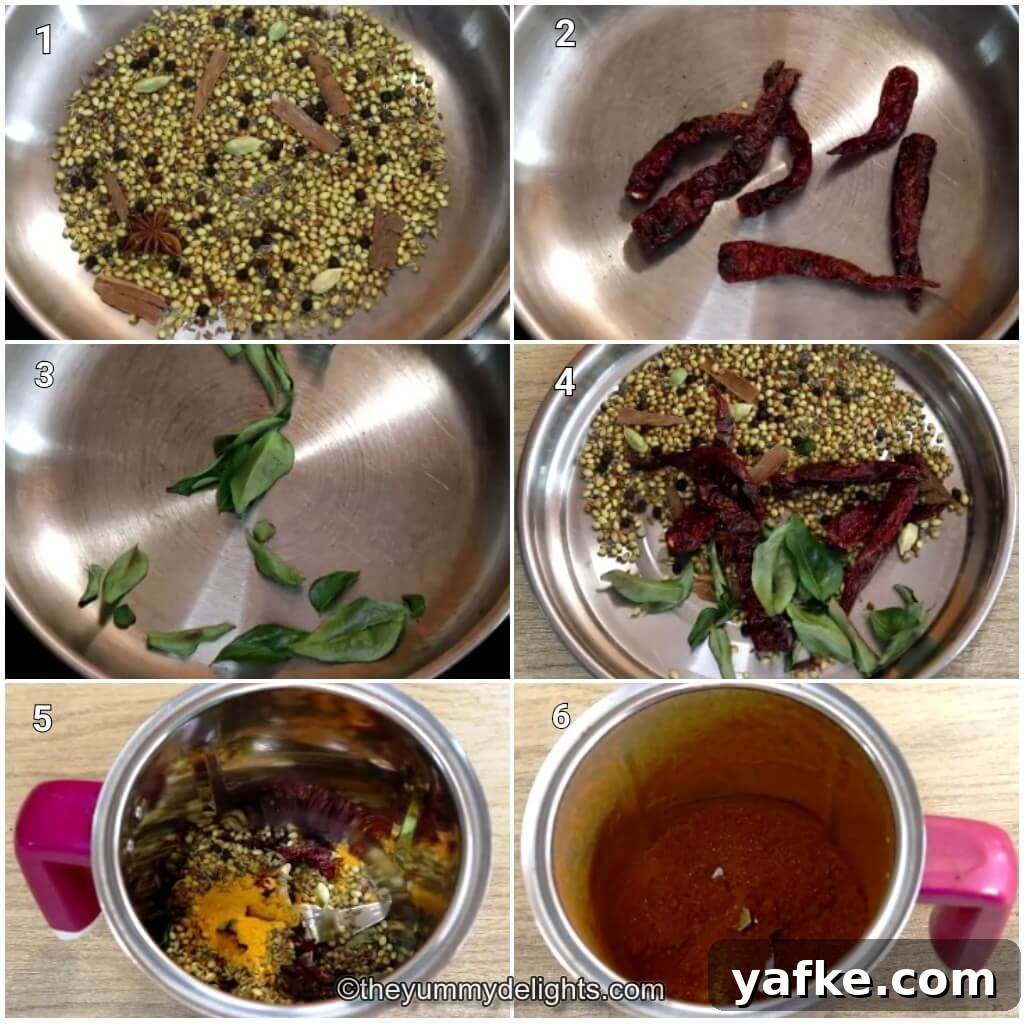
- Warm a heavy-bottomed pan over low heat. Add the whole coriander, cumin and fennel seeds, black peppercorns, green cardamom pods, star anise, cloves, cinnamon, mustard and fenugreek seeds. Dry-roast gently, stirring continuously until the spices become aromatic. Remove to a plate.
- In the same pan, dry-roast the Kashmiri red chilies until crisp, then set them aside with the other spices.
- Dry-roast fresh curry leaves until they are dry and brittle, and add them to the plate.
- Allow all toasted ingredients to cool completely to room temperature.
- Place the cooled spices and curry leaves into a spice grinder or mixer. Add the turmeric powder, then grind everything to a fine, even powder.
- Transfer the finished Madras curry powder to an airtight jar and store in a cool, dry place. Use within 2–3 months for best flavor.
Cooking Tips
- Always dry roast spices on low heat to preserve aromatics; high heat can burn and turn them bitter.
- Stir frequently so everything roasts evenly.
- Remove seeds from dried red chilies if you want a milder powder.
- Use a small spice grinder, coffee grinder (clean) or mortar and pestle to achieve a fine powder.
- Keep the jar sealed and use a clean, dry spoon when scooping the powder to avoid moisture.
- If you prefer a brighter yellow color similar to many store blends, increase turmeric to 1–1½ teaspoons.
- This recipe produces a medium-hot powder. To make curries spicier, add ½ teaspoon cayenne pepper when cooking.
Frequently Asked Questions
What can I use instead of Madras curry powder?
Common substitutes include garam masala (start with a small amount and adjust), a standard curry powder (add extra chili for heat), or you can recreate a similar blend by mixing individual spices fresh as in this recipe.
Is Madras curry powder the same as garam masala?
No. Madras curry powder tends to be spicier and geared toward South Indian flavors. Garam masala focuses on warming, complex spices and is generally less chili-forward.
Is Madras curry powder very spicy?
Compared with mild or medium store-bought curry powders, Madras is typically hotter. You can reduce heat by lowering black pepper, chilies or excluding seeds from the chilies.
How does Madras powder differ from standard curry powder?
Madras curry powder is usually spicier and includes characteristic South Indian ingredients such as curry leaves and fenugreek that give it a distinct profile.
Storage Suggestions
- Ensure the storage jar is completely dry before filling.
- Keep the powder in an airtight container away from sunlight, heat and humidity to preserve flavor and prevent clumping.
- Label the jar with the date and use the powder within three months for best aroma.
Other Spice Blend Recipes to Try!
-
Goan Xacuti Masala Recipe
-
Madras Curry Powder Recipe
-
Homemade Biryani Masala Powder Recipe
If you try this recipe, please leave a comment and rating below — feedback helps refine recipes and share tips with other cooks.
Recipe Card
Madras Curry Powder Recipe
Video
Instructional video available on the original recipe page.
Equipment
- Heavy-bottomed pan
- Spice grinder or clean coffee grinder
Ingredients
- 3 tbsp whole coriander seeds
- 1 tbsp cumin seeds
- 1 tsp fennel seeds
- 1 tsp black peppercorns (use ½ tsp for a milder powder)
- 4 green cardamoms
- 1 small star anise (or ½ if large)
- 5 cloves (reduce to 2–3 if you prefer less intensity)
- 1-inch cinnamon stick
- 1 tsp mustard seeds
- ¼ tsp fenugreek seeds
- 6 Kashmiri red chilies (adjust for heat)
- 2 sprigs fresh curry leaves
- 1 tsp turmeric powder
- 1 small Indian bay leaf (tej patta)
Instructions
- Dry-roast coriander, cumin, fennel, black peppercorns, green cardamoms, star anise, cloves, cinnamon, mustard and fenugreek on low heat, stirring continuously until fragrant. Remove to a plate.
- Dry-roast the Kashmiri red chilies in the same pan until crisp; add them to the plate.
- Dry-roast curry leaves until brittle and add to the plate as well.
- Allow all roasted ingredients to cool completely to room temperature.
- Grind the cooled spices with turmeric powder to a fine powder in a spice or coffee grinder.
- Store the Madras curry powder in an airtight container in a cool, dry place. Use within 2–3 months.
Notes
- Dry-roast on low heat and stir often to avoid burning.
- Deseeding dried chilies will reduce spiciness; add 1–2 hot chilies if you want a hotter mix.
- To make the powder visually yellower (similar to some store blends), increase turmeric to 1–1½ teaspoons.
- Always use a dry spoon and dry hands when scooping the powder to prevent moisture buildup.
Nutrition
Approximate per tablespoon: Calories 25 | Carbohydrates 5 g | Protein 1 g | Fat 1 g | Fiber 2 g. Nutrition is an estimate and should be used as a guideline only.