
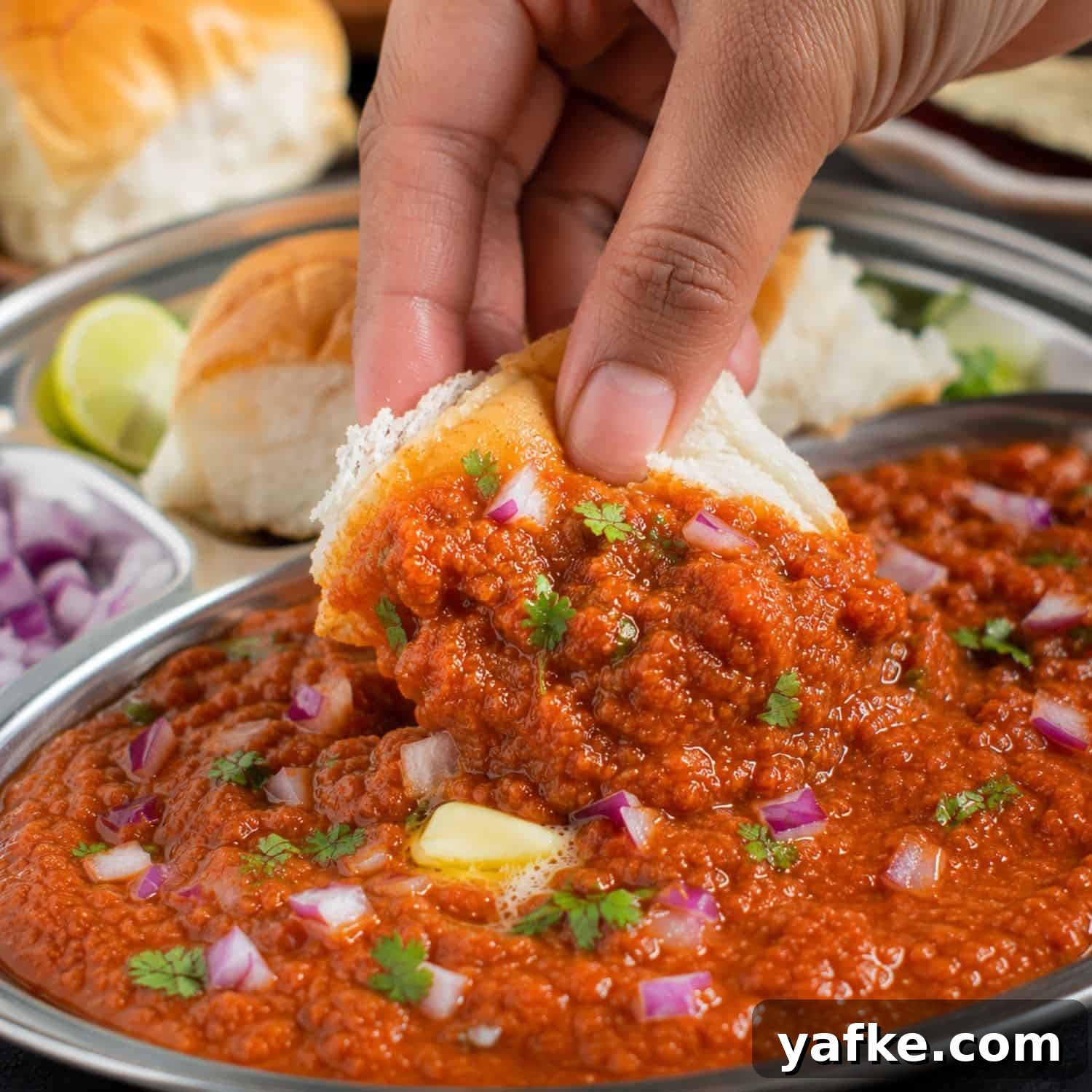
This buttery, spicy Mumbai-style pav bhaji delivers the same rich, tangy, deeply spiced flavor you crave from a street stall. My family’s version includes cooked dried green peas for depth and a touch of grated beetroot to give the bhaji its vibrant red color. Most of the cooking happens in the Instant Pot, so hands-on time is minimal and cleanup is easy.
If you’ve ever enjoyed pav bhaji at Juhu Beach and wanted to recreate that taste at home, this is a reliable recipe to try.
⭐ Food processor to Instant Pot—can’t get easier!
I chop everything in the food processor, add it to the Instant Pot, and let it do its work. One pot, very little hands-on cooking, and an authentic street-style pav bhaji at home.
Why you’ll love this Mumbai Pav Bhaji
- Authentic Mumbai-style flavor—rich with butter and pav bhaji masala.
- Generous mix of vegetables makes the bhaji hearty and satisfying.
- Dried green peas add a deep, classic taste; fresh or frozen peas are good substitutes.
- A little beetroot gives a natural red color without artificial dyes.
- The Instant Pot does most of the work, so prep is quick and cleanup is simple.
- A final tadka of butter, oil, red chili powder, pav bhaji masala and kasoori methi lifts the flavor to restaurant level.
- Excellent make-ahead dish—the flavors deepen after a few hours or overnight.
- Freezes well with minimal change in flavor.
My Mumbai connection
I grew up in Mumbai, so pav bhaji is more than a recipe—it’s a memory. Weekend trips to Juhu Beach often ended with a plate of hot pav bhaji, and in college it became the go-to comfort food with friends. After moving away, I kept trying different versions, but my mom’s recipe is the one I always return to. She has a knack for turning home-cooked food into restaurant-quality dishes, and I’ve picked up many of her little tricks. This recipe reflects the pav bhaji I grew up eating.
My Mom’s Secret to Restaurant-Style Pav Bhaji
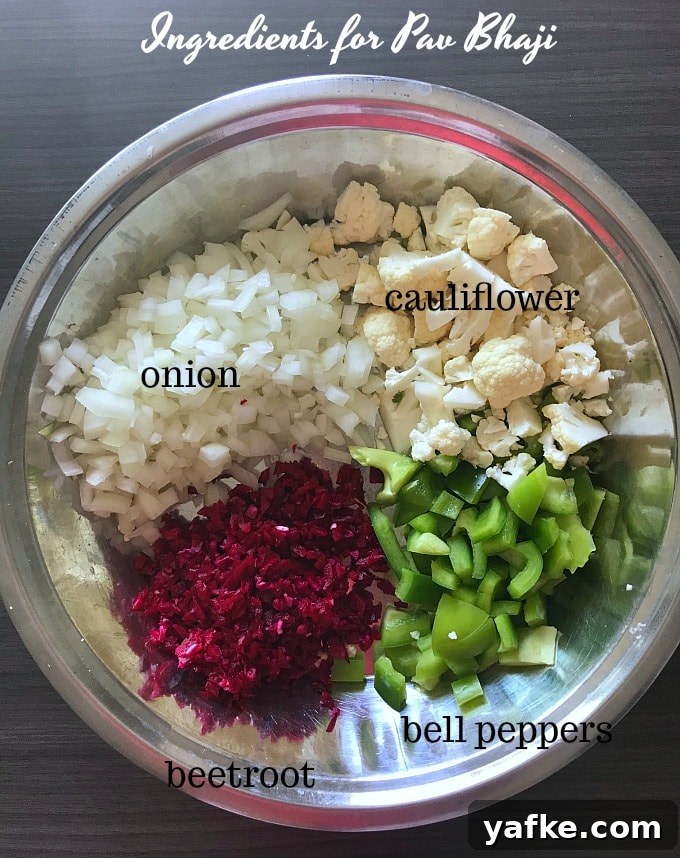
My mom never uses red food coloring. Instead, she adds a small amount of grated beetroot to achieve a beautiful red hue without altering the flavor. Another trick I learned from a chef is using cooked dried green peas. Dried peas impart a deeper, more authentic street-style texture and taste, though fresh or frozen peas work well when you don’t have dried peas on hand.
A few things that make this recipe work
Dried vs. fresh peas: Dried peas give the deepest flavor; fresh peas are the best substitute and frozen will also work.
Beetroot: Use sparingly—just enough for color. It won’t make the bhaji taste like beetroot.
Butter: Use it generously for the classic restaurant-style finish, or reduce to taste.
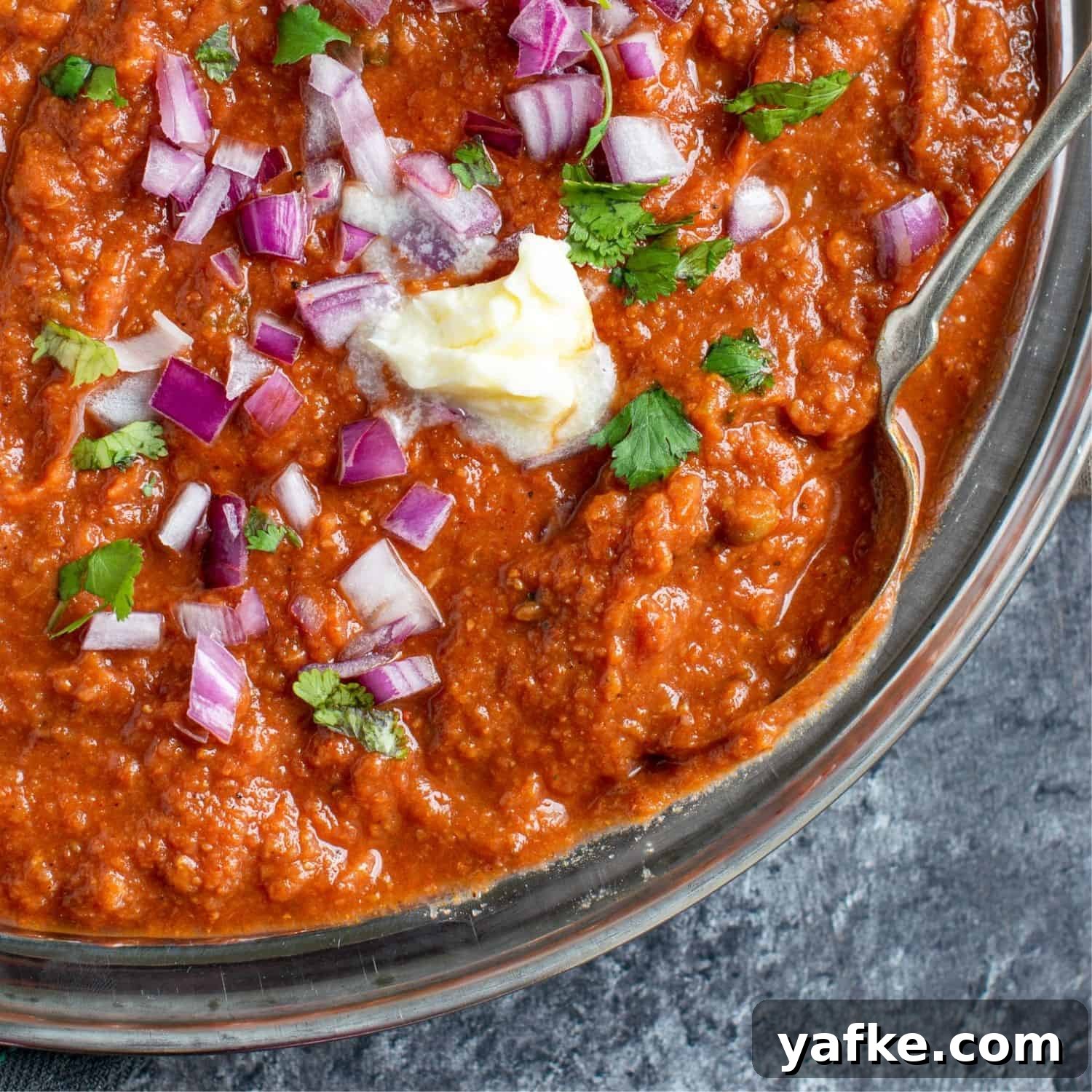
Consistency: The bhaji should be thick and scoopable with pav. It will thicken as it rests; add a splash of water when reheating if needed.
A finishing tadka of butter, oil, pav bhaji masala, red chili powder and kasoori methi adds aroma and depth—don’t skip it.
Ingredients
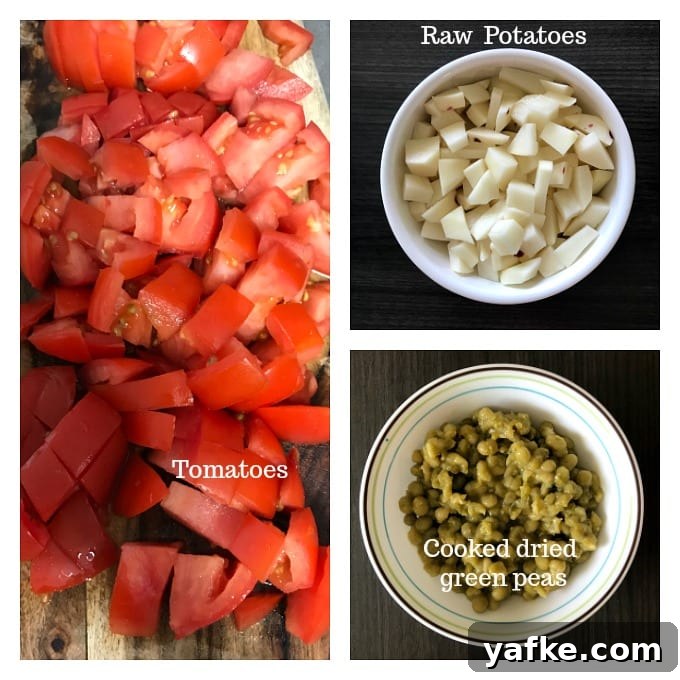
You don’t need lots of different vegetables to make excellent pav bhaji. This combination gives the bhaji great body and flavor.
For the bhaji
- Oil
- Butter
- Onion
- Garlic
- Ripe Roma tomatoes
- Tomato purée
- Potatoes
- Cauliflower
- Green bell pepper (capsicum)
- Cooked dried green peas (or fresh/frozen)
- Beetroot (small amount)
- Pav bhaji masala
- Kashmiri or Byadgi red chili powder
- Salt
- Fresh cilantro
The finishing tadka
- Oil
- Butter
- Pav bhaji masala
- Red chili powder
- Kasoori methi
For serving
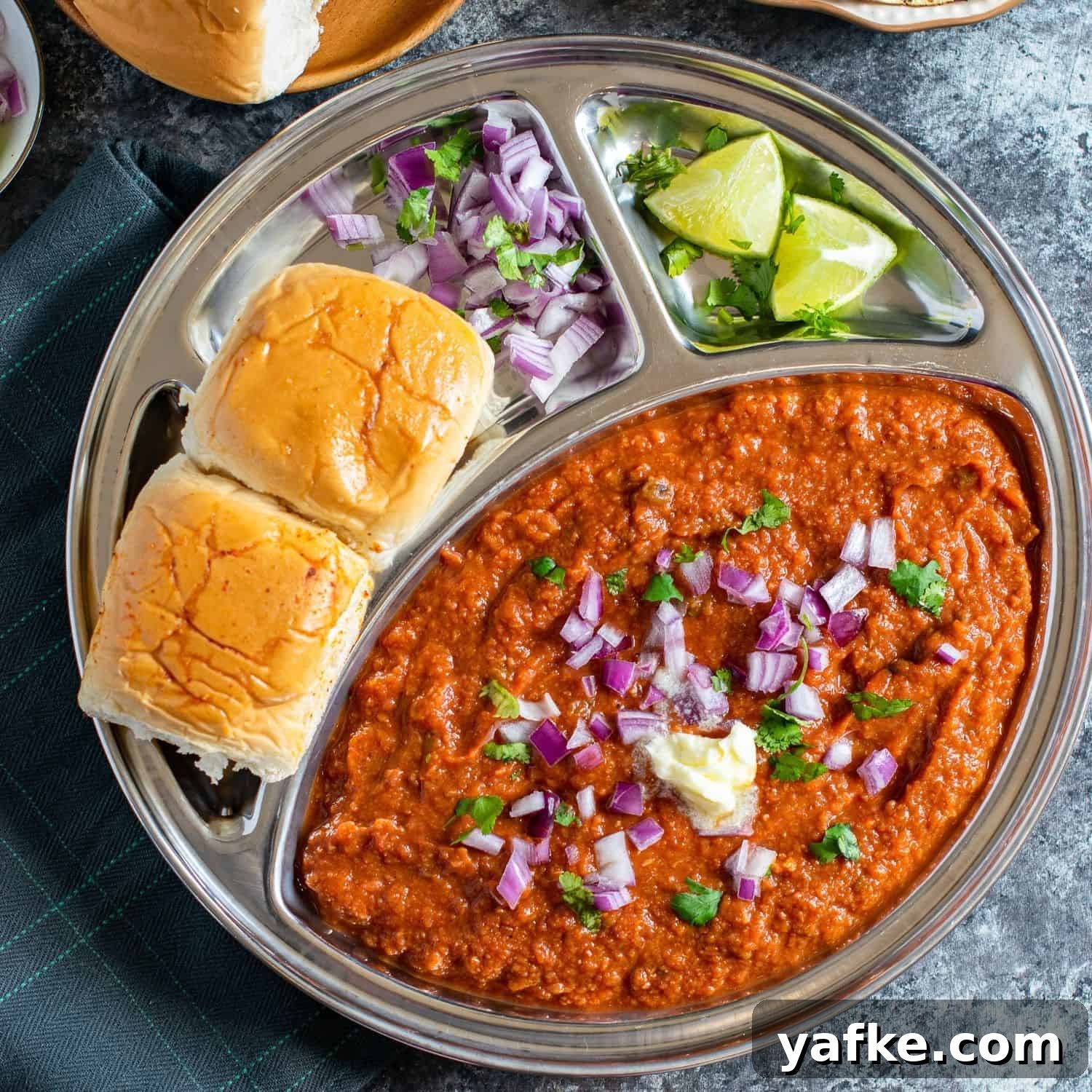
- Pav (soft dinner rolls)
- Butter
- Finely chopped red onion
- Fresh cilantro
- Lemon wedges
Homemade Pav Bhaji Masala
Pav bhaji masala is the signature spice blend for this dish. You can buy it at most Indian grocery stores, or make your own using basic whole spices. Here’s a simple homemade blend inspired by a family recipe.
Masala Ingredients
- 7 dried red chilies (Byadgi or Kashmiri if possible)
- 4 tablespoons coriander seeds
- 4 cloves
- 5 black cardamom pods
- 1 tablespoon fennel seeds
- 2 tablespoons cumin seeds
- 1 teaspoon whole peppercorns
- ½-inch cinnamon stick
- 2 mace (javitri)
- ¼ teaspoon turmeric
- ½ teaspoon black salt
Masala Method
- Dry roast the whole spices over low–medium heat until fragrant, taking care not to burn them.
- Cool completely, then grind to a fine powder.
- Stir in the turmeric and black salt and store in an airtight jar.
How to Make Pav Bhaji in an Instant Pot
Using a pressure cooker or Instant Pot is an easy way to make pav bhaji with minimal fuss. This method produces soft, well-blended vegetables and saves time when cooking for a crowd.
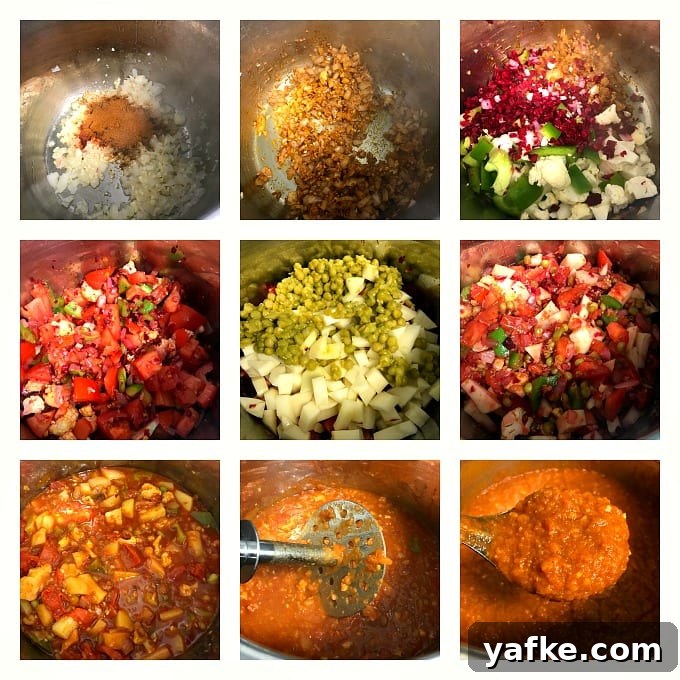
1. Sauté the onion and garlic
Set the Instant Pot to Sauté. Add oil and some butter. Sauté chopped onions until translucent, then add grated garlic, red chili powder and pav bhaji masala—sauté briefly until fragrant.
2. Deglaze the pot
Add water and scrape the bottom thoroughly to prevent sticking and avoid a burn warning.
3. Add the vegetables
Add chopped tomatoes, tomato purée, cubed potatoes, cauliflower florets, bell pepper, grated beetroot and cooked peas. Season with salt and stir well.
4. Pressure cook
Secure the lid and cook on High Pressure for 12 minutes. Allow the pressure to release naturally; the vegetables should be very soft.
5. Mash the bhaji
Open the pot and mash the mixture with a potato masher or use an immersion blender for a smoother texture. I prefer the bhaji mostly smooth with a little texture. Taste and adjust salt and spices.
6. Make the finishing tadka
In a small pan, heat oil and butter. Add pav bhaji masala, red chili powder and kasoori methi; let the spices bloom briefly. Pour this tadka into the hot bhaji, stir and simmer for 3–4 minutes. Finish with an extra 2–3 tablespoons of butter for a rich finish.
7. Let the bhaji rest
For best flavor, make the bhaji a few hours before serving or prepare it the day ahead. As it rests, the spices meld and the taste deepens.
Pressure Cooker Pav Bhaji
You can make this in a stovetop pressure cooker if you don’t have an Instant Pot. Sauté as above in the cooker, add the vegetables and water, then pressure cook for 5–6 whistles on medium heat. Allow natural pressure release, mash, and finish with the tadka. The final tadka and resting time matter more for flavor than the specific cooker you use.
How to toast pav
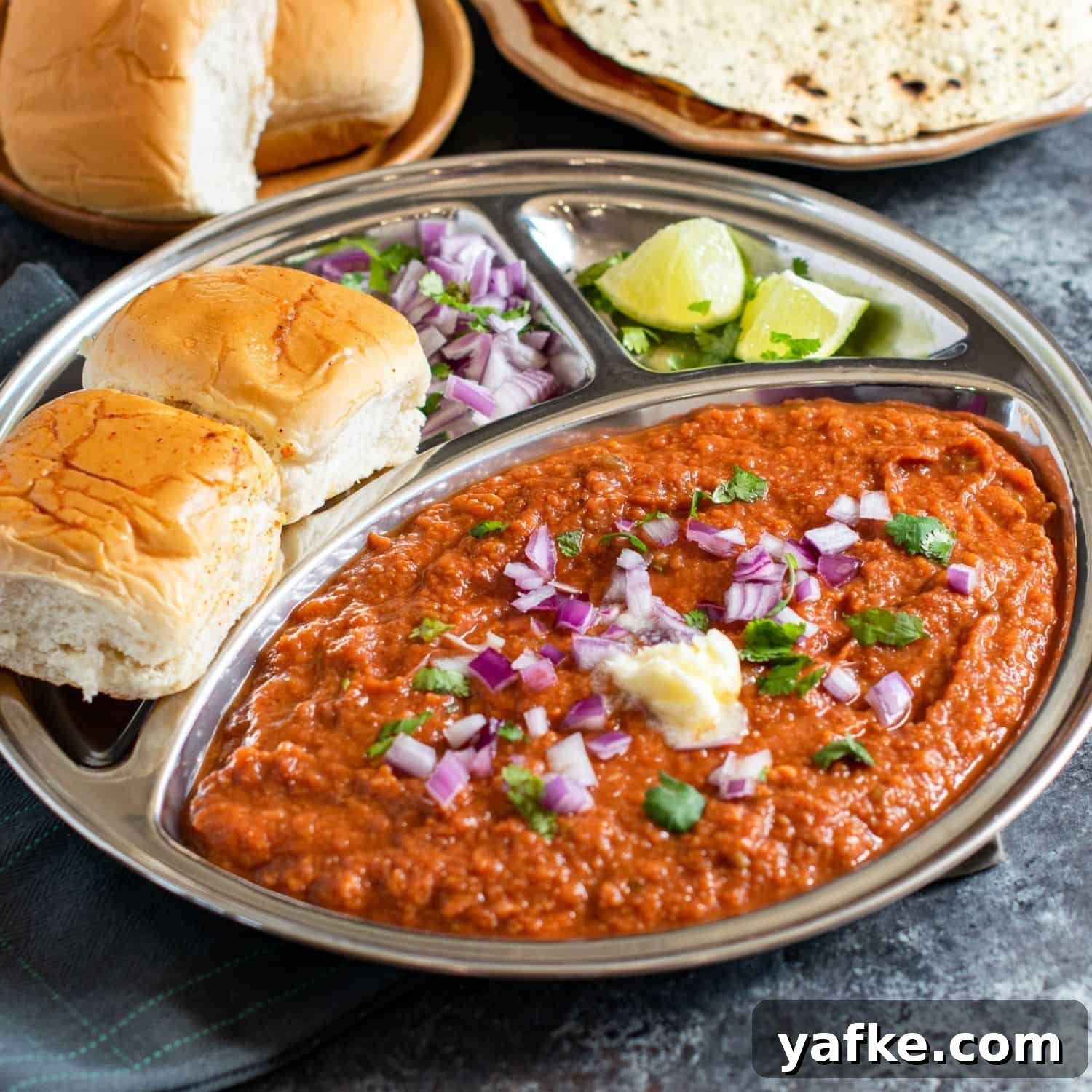
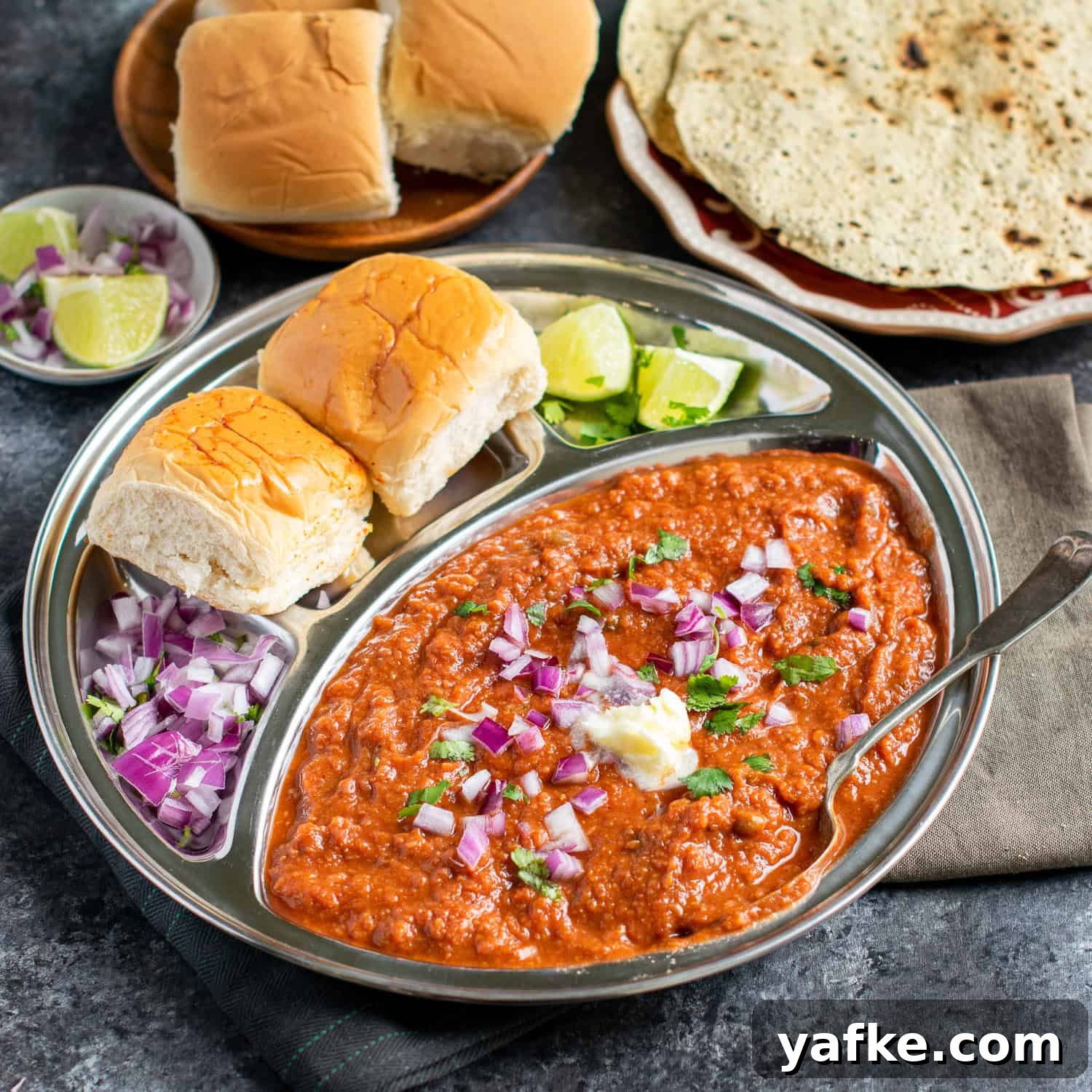
Heat a tawa or skillet over medium heat. Slice the pav horizontally (leave one side attached if you like), slather with butter and place cut-side down on the hot pan. Toast until golden and slightly crisp. Be generous with the butter for authentic flavor.
Make-ahead Pav Bhaji
Pav bhaji is ideal for make-ahead cooking. Prepare the bhaji 3–4 hours before serving or the day before. Chill, then gently reheat, adding a little water if it thickens. It keeps in the refrigerator for about 3 days and freezes well in portions for up to 3 months.
How to serve Mumbai Pav Bhaji
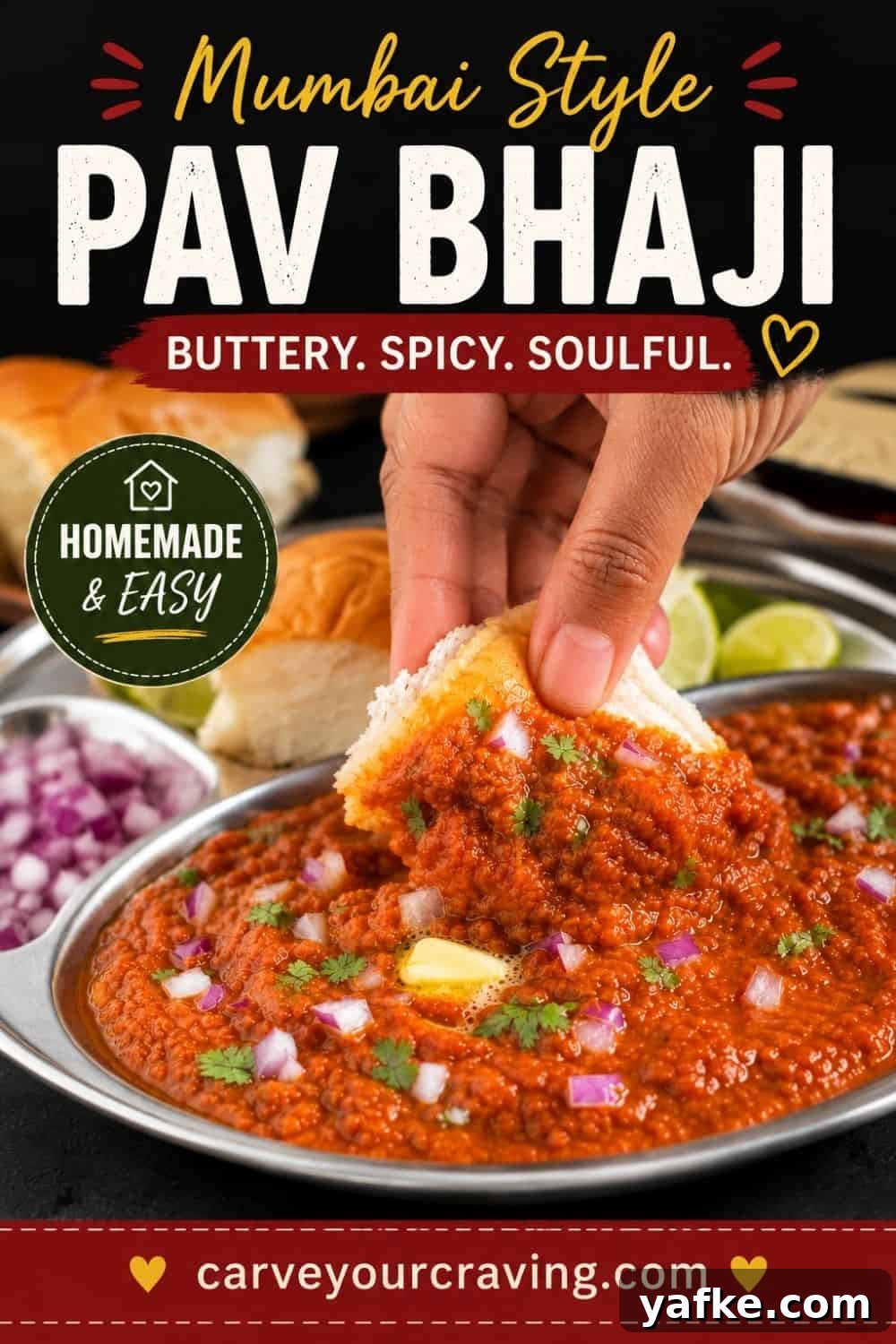
Serve a generous spoonful of hot bhaji on a plate, top with butter, chopped cilantro and finely diced red onion. Add lemon wedges and hot, buttered pav. Tear off a piece of pav and scoop the bhaji—squeezing a little lemon over each bite makes it perfect.
Tips for the best Pav Bhaji
- Proportion matters: Enough tomato and tomato purée prevents the bhaji from tasting flat.
- Use a good pav bhaji masala: It’s the key to authentic flavor.
- Don’t skip the final tadka: It adds an essential layer of aroma and taste.
- Make ahead: Flavors deepen after resting—prepare a few hours early if possible.
- Adjust consistency: The bhaji should be scoopable; add water if it becomes too thick when reheating.
Pav Bhaji FAQs
Is Pav Bhaji healthy?
Pav bhaji packs a lot of vegetables into one dish, making it a tasty way to increase veggie intake. To make it lighter, reduce oil and butter or use vegetable broth. Serve the bhaji with rotis, dosas or khakras instead of pav for a lower-fat option.
What vegetables work?
Use a mix of onions, tomatoes, potatoes, peas, cauliflower and bell peppers. Other additions like carrots or broccoli are optional; avoid vegetables that make the bhaji slimy (e.g., cabbage) or overly sweet (e.g., large amounts of carrots or sweet potatoes).
Can I use fresh or frozen peas?
Yes. Dried peas give the deepest flavor, but fresh peas are the best substitute and frozen peas work well too.
Can I freeze Pav Bhaji?
Yes. Cool completely and freeze in portions for up to 3 months. Thaw overnight and reheat gently, adding a splash of water if needed. The flavor holds up well.
Can I make Jain or vegan versions?
For Jain pav bhaji, omit onion and garlic and replace potatoes with raw banana or additional peas. For a vegan version, use vegan butter or oil instead of dairy butter and choose vegan pav.
What to serve with Pav Bhaji
- Butter-toasted pav
- Chopped red onion
- Lemon wedges
- Extra butter and fresh cilantro
- Roasted papad
- Mumbai Tawa Pulao (a great side when feeding a crowd)
Leftovers and uses
Leftover bhaji can be reheated and served with fresh pav or used in creative dishes: bhaji bruschetta, bhaji pizza topped with cheese, or a spicy pav bhaji fondue for parties.
Final thoughts
A few simple tips will help you make authentic pav bhaji at home: don’t be afraid of butter if you want the restaurant-style taste, use dried peas when you can, and give the bhaji time to develop its flavors. With hot, buttery pav, chopped onion and a squeeze of lemon, you’re ready to enjoy true Mumbai-style pav bhaji—tear, scoop and enjoy.
KEEP IN TOUCH
Follow @carveyourcraving on social media for more recipes and updates.
More Mumbai Street Food Favorites
Mumbai Tawa Pulao — perfect alongside pav bhaji.
Pav Bhaji Fondue — a fun way to use leftover bhaji.
Mumbai Pav Bhaji
Buttery, spicy Mumbai-style pav bhaji made with potatoes, cauliflower, bell pepper, tomatoes and peas, finished with a flavorful butter-and-spice tadka. Serve with generously buttered pav, chopped onion and lemon.
Ingredients (for the bhaji)
- 2 tbsp oil
- 1 tbsp butter (plus extra for finishing)
- 1½ cups finely chopped onion
- 10 cloves garlic, grated (about 3 tbsp)
- 1 kg (about 8) ripe Roma tomatoes, roughly chopped
- 1¼ cups tomato purée
- 500 g (4 medium) potatoes, peeled and cubed
- 1 cup chopped green bell pepper
- 1 cup cauliflower florets
- ¼ cup chopped beetroot
- 1 cup cooked dried green peas (or fresh/frozen)
- 1 cup water (add more if needed)
- 2 tbsp pav bhaji masala
- 2 tbsp Kashmiri or Byadgi red chili powder (divided)
- Salt to taste
- Fresh cilantro, finely chopped
For the finishing tadka
- 1 tbsp oil
- 2 tbsp butter
- 1 tbsp pav bhaji masala
- 2 tsp Kashmiri or Byadgi red chili powder
- 1 tsp kasoori methi
- 2–3 tbsp water
Instant Pot Method – Instructions
- Turn the Instant Pot to Sauté. Add 1 tbsp oil and 1 tbsp butter. Sauté onions until translucent.
- Add grated garlic, 1 tbsp red chili powder and 2 tbsp pav bhaji masala with 2 tbsp water; stir 10 seconds until fragrant.
- Add 1 cup water and scrape the bottom of the pot thoroughly.
- Add chopped tomatoes, tomato purée, potatoes, cauliflower, beet, bell pepper, cooked peas and salt. Stir to combine.
- Close the lid and cook on High Pressure for 12 minutes. Allow natural pressure release.
- Open the pot and mash the vegetables with a potato masher or use an immersion blender until mostly smooth with a little texture.
- Make the tadka: heat 1 tbsp oil and 2 tbsp butter in a small pan. Add pav bhaji masala, red chili powder, beetroot and kasoori methi; let the spices bloom, add ¼ cup water and simmer briefly.
- Pour the tadka into the bhaji, stir and simmer 3–4 minutes. Add 2–3 tbsp butter, simmer another minute. Adjust seasoning and consistency.
- For best flavor, let the bhaji rest 3–4 hours before serving or refrigerate and serve the next day. Toast generously buttered pav and serve with chopped onion, cilantro and lemon.
Notes & Tips
- Substitutions: Dried green peas give the deepest flavor; fresh peas are the best substitute, and frozen peas work fine.
- Beetroot: For color only—omit if you prefer.
- Tomatoes: Any ripe, juicy variety will work; Roma tomatoes are preferred for lower water content.
- Butter: Use according to taste; more butter gives that classic street-side richness.
- Spice level: Add pav bhaji masala or red chili powder a teaspoon at a time to increase heat.
- Storage: Refrigerate for up to 3 days or freeze in portions for up to 3 months. Thaw overnight and reheat gently, adding water if necessary.